Colorado Desert
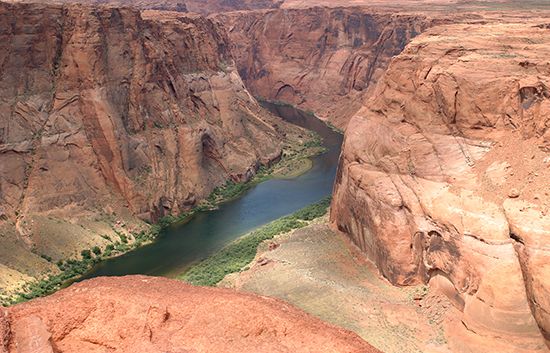
The Colorado River is fundamental to the Colorado Desert, an arid region of the Sonoran Desert that derives its name from the river itself.
How does the Colorado River influence the Colorado Desert ecosystem?
The Colorado River is fundamental to the Colorado Desert, an arid region of the Sonoran Desert that derives its name from the river itself.1
Historically, the river shaped the region’s geography by depositing silt to create a natural dam, which eventually separated the Salton Trough from the Gulf of California, leading to the formation of a low-lying desert basin. In 1905, a breach in irrigation controls caused the river to flood the Salton Sink, creating the Salton Sea.21
Today, the river serves as a vital lifeline for the desert’s human-altered ecosystem. Through the All-American Canal, it provides the water necessary to sustain the agriculturally productive Imperial and Coachella valleys. While the river supports these human developments, modern water management and over-apportionment have significantly reduced its flow, often leaving the riverbed dry before it reaches the Gulf of California.213
How does the Colorado Desert compare to other North American deserts like the Mojave or Sonoran?
The Colorado Desert is a distinct subdivision of the larger Sonoran Desert, sharing its subtropical climate but exhibiting unique characteristics compared to other North American deserts like the Mojave or the Great Basin.
Key Comparisons
- Classification and Geography: While the Mojave and Great Basin are often categorized by their specific physiographic provinces, the Colorado Desert is defined as a low-lying, arid basin within the Sonoran Desert, stretching from the San Gorgonio Pass to the Colorado River delta.45
- Climate: The Colorado Desert is among the hottest and driest regions in North America, with summer temperatures frequently exceeding 120 °F (49 °C). In contrast, the Mojave Desert experiences more extreme daily temperature fluctuations and frequent winter frosts. The Great Basin is classified as a cold mid-latitude desert, significantly cooler than the subtropical Sonoran subdivisions.6785
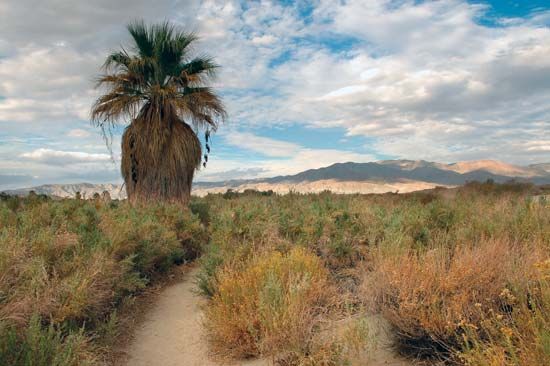
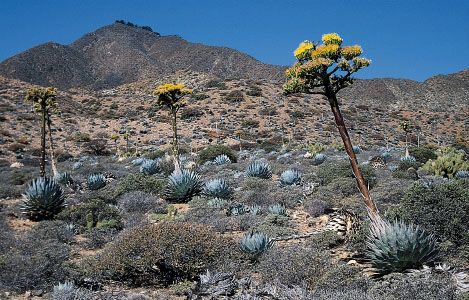
- Vegetation: The Colorado Desert is characterized by the creosote bush–desert shrub association. While the Mojave is famous for the Joshua tree, the broader Sonoran Desert—including the Colorado section—boasts the most diverse plant life of all North American deserts, featuring various cacti like the saguaro and barrel cactus/saguaro) and barrel cactus.489
- Human Influence: Unlike the more rugged or protected landscapes of the Great Basin, the Colorado Desert has been heavily transformed by irrigation from the Colorado River, supporting the highly productive Imperial and Coachella valleys.46
We could dive deeper into how these specific climatic differences influence the survival strategies of native desert fauna.
Where is the Colorado Desert located and what are its geographical boundaries?
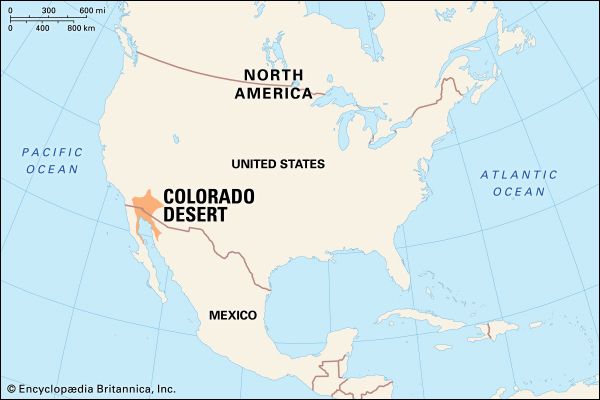
The Colorado Desert is a low-lying, arid region situated as a subdivision of the Sonoran Desert. It extends approximately 164 miles (264 km) southeast from the San Gorgonio Pass in southeastern California, U.S., down to the Colorado River delta in northern Mexico.4
Its geographical boundaries are defined by the following features:
- West: The Pacific coastal ranges.
- North through East: The San Bernardino, Cottonwood, Chuckawalla, and Chocolate mountains, as well as the Colorado River.
- South: The head of the Gulf of California.4
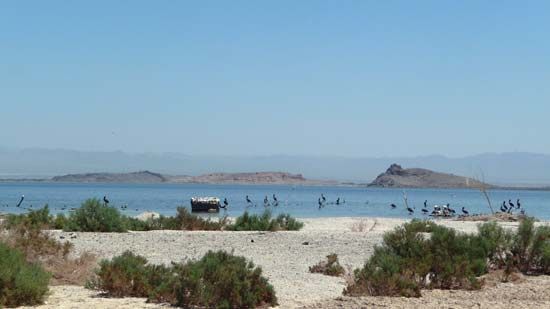
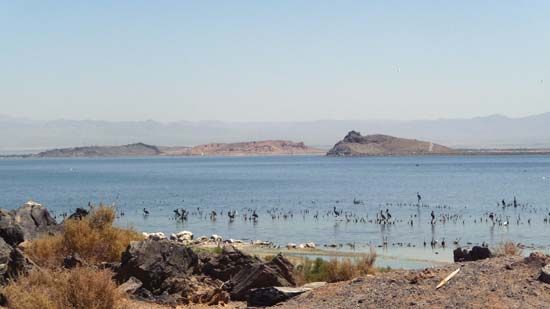
The region is centered around the Salton Trough, a basin that contains the Salton Sea and is flanked by the irrigated Coachella and Imperial valleys.4
What are some popular recreational activities in the Colorado Desert area?
The Colorado Desert offers a variety of recreational opportunities, largely centered around its unique landscape and resort culture. Popular activities include:
- Resort and Leisure Activities: The region is well-known for its desert resorts, particularly in Palm Springs, which has become a major destination for relaxation and tourism.41112
- Wildlife Observation: Visitors can explore protected areas such as the Salton Sea National Wildlife Refuge, which provides opportunities to observe the diverse bird species and wildlife native to the Sonoran Desert ecosystem.412
- Outdoor Exploration: The desert’s varied terrain, including shifting sand dunes in the northwest and the Algodones sand hills in the east, offers unique environments for outdoor enthusiasts.4
- Cultural and Historical Sites: The area is home to several American Indian reservations, providing insight into the rich history and heritage of the region’s early inhabitants.412
While the Colorado National Monument is a popular destination for hiking and scenic driving, please note that it is located in west-central Colorado and is distinct from the Colorado Desert region in California.8
Sources
- Colorado River - Physiography — Encyclopædia Britannica
- Colorado River - Economic development — Encyclopædia Britannica
- Colorado River - Plant and animal life — Encyclopædia Britannica
- Colorado Desert — Encyclopædia Britannica
- North American Desert - Climate — Encyclopædia Britannica
- Mojave Desert — Encyclopædia Britannica
- North American Desert - Physiography — Encyclopædia Britannica
- Sonoran Desert — Encyclopædia Britannica
- North American Desert - Plant life — Encyclopædia Britannica
- North America - Dry climates — Encyclopædia Britannica
- Coachella Valley — Encyclopædia Britannica
- Colorado National Monument — Encyclopædia Britannica
Published on · 3 min read