Imperial Valley
The construction of the All-American Canal, completed in 1940, was a pivotal factor in the development of the Imperial Valley. Before its existence, the…
What role did the construction of the All-American Canal play in the development of the Imperial Valley?
The construction of the All-American Canal, completed in 1940, was a pivotal factor in the development of the Imperial Valley. Before its existence, the region’s agricultural potential was severely hampered by its reliance on irrigation channels that ran through Mexico, which proved vulnerable to catastrophic flooding, such as the events of 1905–1907 that created the Salton Sea.12
By providing a secure, domestic route for Colorado River water, the canal stabilized the region’s water supply, allowing the Imperial Valley to transform from an uninhabited wasteland into a highly productive agricultural hub. Today, the canal supports approximately 500,000 acres of cultivated land, facilitating the production of crops such as alfalfa, cotton, and sugar beets. The project, alongside the Hoover Dam, effectively ended the period of languishing development and established the infrastructure necessary for the valley’s modern commercial and agricultural success.1
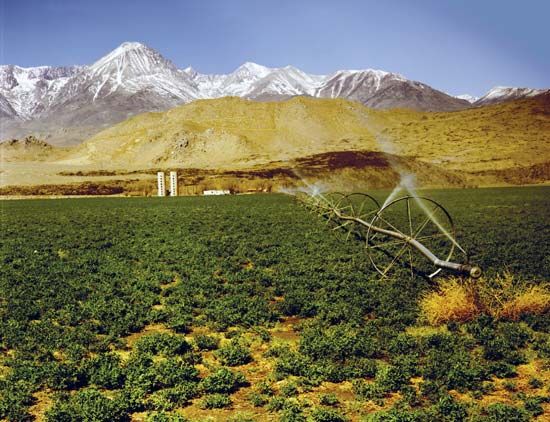
What are the main crops grown in the Imperial Valley, and how do they contribute to the local economy?
The Imperial Valley is a highly productive agricultural region in southern California, supported by approximately 500,000 acres of irrigated farmland.26
Main Crops and Livestock
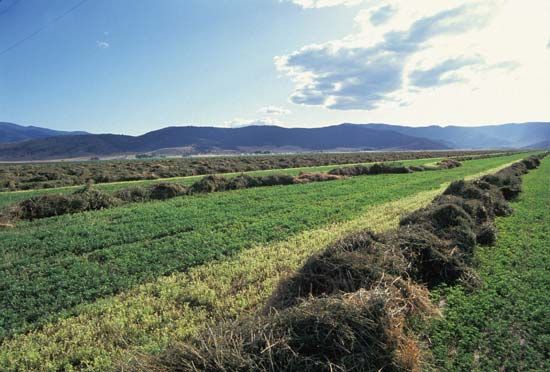
The valley’s agricultural output is diverse, with primary products including:
- Truck crops: A variety of vegetables grown for market.2
- Field crops: Significant production of alfalfa, cotton, and sugar beets.2
- Livestock: The region also supports a substantial livestock industry.2
Economic Contribution
The development of the Imperial Valley into a major agricultural hub was made possible by the completion of the Hoover Dam and the All-American Canal, which provided a reliable water supply to the Colorado Desert. This infrastructure transformed the area from an uninhabited wasteland into a vital commercial center. Today, cities such as El Centro, Brawley, and Calexico serve as regional commercial hubs, anchoring an economy that relies on intensive irrigation to maintain its high productivity.2
Where is the Imperial Valley located, and what are its geographical features?
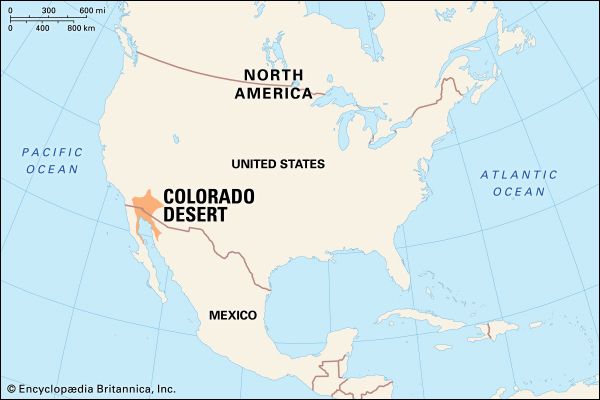
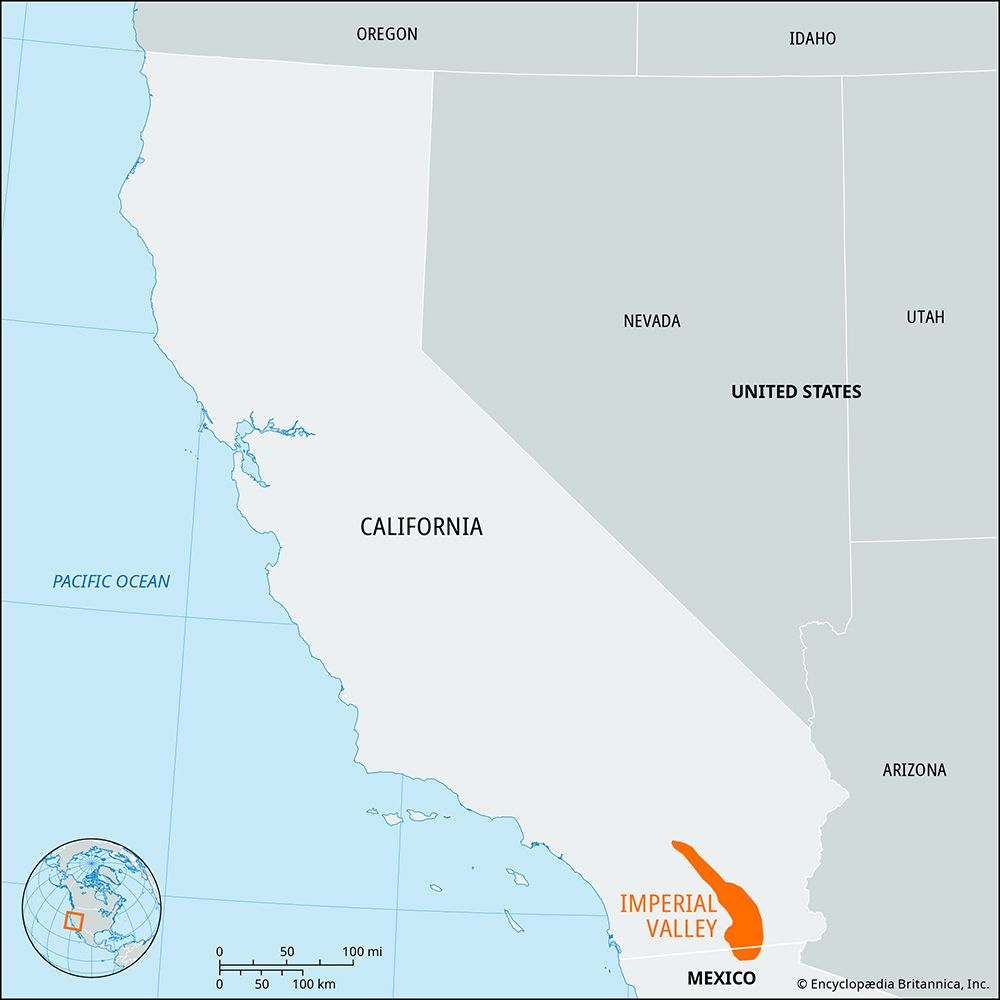
The Imperial Valley is an intensively irrigated region located within the Colorado Desert in southeastern California, extending southward for 50 miles from the Salton Sea into Mexico.27
Geographical Features
- Topography: The valley is part of a trough that stretches from the Coachella Valley to the Gulf of California. It lies almost entirely below sea level, reaching 235 feet below at the edge of the Salton Sea.27
- Geological History: The area was once part of the Gulf of California but was cut off by damlike deposits from the Colorado River Delta Fan.2
- Climate: It features a hot desert climate characterized by significant daily temperature extremes.2
- Surroundings: The region is bordered by barren mountains and sand dunes.2
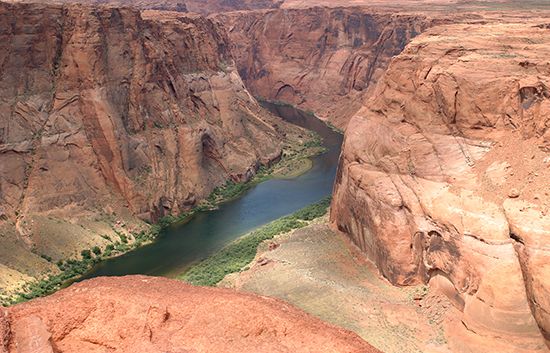
The valley’s landscape was transformed from an uninhabited wasteland into a productive agricultural center through extensive irrigation infrastructure, including the All-American Canal and the Hoover Dam and the Hoover Dam.2
What is the historical significance of the Imperial Valley in North American agriculture?
The Imperial Valley holds significant historical importance in North American agriculture as a prime example of large-scale land reclamation and engineering. Once considered an uninhabited wasteland, the region was transformed into a highly productive agricultural hub through the diversion of the Colorado River.2
The valley’s development began in 1901 with the opening of the Imperial Canal, though early efforts faced severe challenges, including catastrophic flooding between 1905 and 1907 that destroyed irrigation channels and created the Salton Sea. The region’s agricultural potential was only fully realized following the completion of the Hoover Dam in 1935 and the All-American Canal in 1940.25
Today, the valley encompasses approximately 500,000 acres of cultivated land supported by 3,000 miles of irrigation canals. It remains a vital center for the production of truck crops, alfalfa, cotton, sugar beets, and livestock, serving as a cornerstone of the regional economy in both California and Mexico.27
Sources
- All-American Canal — Merriam-Webster
- Imperial Valley — Encyclopædia Britannica
- Colorado River - Economic development — Encyclopædia Britannica
- Panama Canal - American intervention — Encyclopædia Britannica
- Colorado River - Physiography — Encyclopædia Britannica
- California - Agriculture, forestry, and fishing — Encyclopædia Britannica
- Imperial Valley — Merriam-Webster
- Salton Sea — Encyclopædia Britannica
Published on · 3 min read