Sanggan River
The Sanggan River is located in the provinces of Shanxi and Hebei in northwestern China. It is a significant component of the Hai River system, originating…
Where is the Sanggan River located in China, and what are its major tributaries?
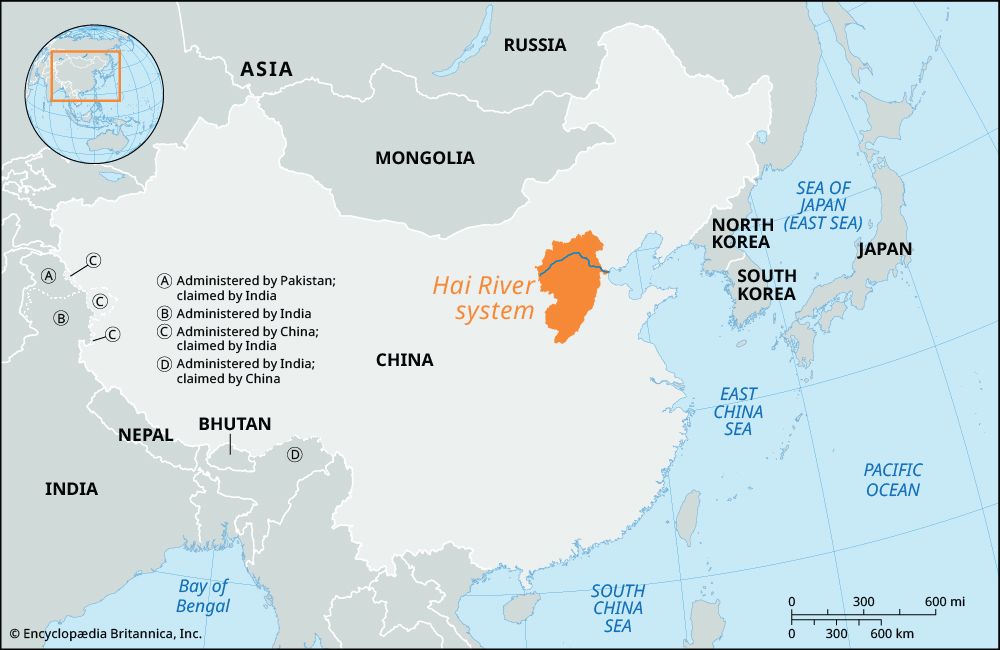
The Sanggan River is located in the provinces of Shanxi and Hebei in northwestern China. It is a significant component of the Hai River system, originating near Ningwu and the Great Wall of China before flowing northeast and eventually entering the Guanting Reservoir.1
The river’s major tributaries are categorized by province:
Historically, the name Sanggan was also used to refer to the Yongding River, which continues the flow from the Guanting Reservoir toward Tianjin.1
How does the Sanggan River contribute to the local ecosystem and biodiversity?
The provided search results do not contain information regarding the specific impact of the Sanggan River on local ecosystems or biodiversity.
While the records detail the river’s geography, its role within the Hai River system, and the history of flood-control projects like the Guanting Reservoir, they do not address the biological or ecological contributions of the river.
What role does the Sanggan River play in local agriculture and irrigation?
The Sanggan River plays a vital role in the regional water management of northern China as a primary feeder for the Guanting Reservoir. While the river itself flows across the dry plateau of northern Shanxi, its waters are integrated into the broader Hai River system, which is essential for agricultural stability in the region.12
The Guanting Reservoir, which receives the flow of the Sanggan, was developed as a multipurpose project designed specifically for irrigation, hydroelectric generation, and flood control. These water-control efforts are part of a comprehensive strategy to:2
- Mitigate Drought: Subsidiary irrigation works integrated with the reservoir help ameliorate the consequences of drought in the surrounding plains.2
- Support Infrastructure: The system is supplemented by a large-scale construction of wells and pumping stations that utilize subterranean water to improve irrigation facilities.2
- Manage Silt and Flooding: By regulating water flow, these projects aim to protect crops from the frequent, destructive flooding that has historically reduced the productivity of the Hebei plain.2
What is the length of the Sanggan River and which larger river system does it belong to?
The Sanggan River has a total length of approximately 180 miles (290 km). It is a significant waterway located in the provinces of Shanxi and Hebei and is a constituent part of the Hai River system in northwestern China.1
Sources
- Sanggan River — Encyclopædia Britannica
- Hai River system — Encyclopædia Britannica
- Tianjin - Drainage — Encyclopædia Britannica
Published on · 2 min read