Savai‘i
Savai‘i is the largest and westernmost island of Samoa, characterized by its rugged, volcanic landscape.
What are the main geographical features of Savai’i?
Savai‘i is the largest and westernmost island of Samoa, characterized by its rugged, volcanic landscape.12
Topography and Volcanism
The island is extremely mountainous, dominated by a central highland region that reaches its highest point at Mount Silisili, which stands at 6,095 feet (1,858 meters). Other prominent peaks include Mounts Māfane, Mata‘aga, and Maugaloa. A distinct chain of volcanic craters stretches from the eastern coast at Tuasivi to the island’s westernmost point at Cape Mulinu‘u. While the island was shaped by volcanic activity over the last seven million years, its volcanoes have remained quiescent since the last eruption of Mount Matavanu in 1911.12
Coastal Features
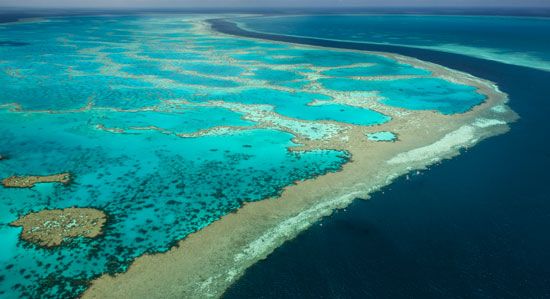
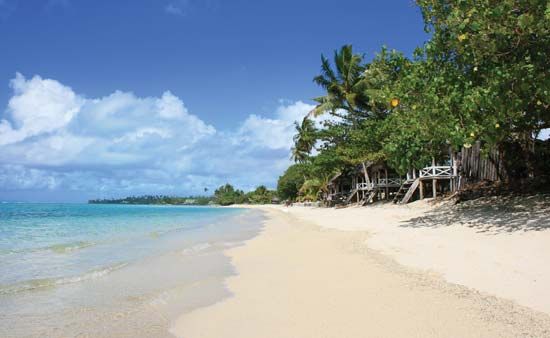
The island is ringed by coral reefs and shallow lagoons, though these are interrupted in areas where lava flows have created steep coastal cliffs. Shallow rivers radiate from the central highlands toward the coast, flowing through terrain that supports lush vegetation due to the island’s fertile volcanic soils.2
Are there any unique customs or festivals specific to Savai’i that differ from the rest of Samoa?
It is a common misconception that Savai‘i possesses distinct festivals or customs that differ from the rest of Samoa. In reality, the cultural life of Samoa is unified by the fa‘a Samoa (the “Samoan way of life”), which is practiced across the entire nation.3
While Savai‘i does not have unique festivals separate from the national traditions, its cultural life is widely considered to be more traditional than that of the more developed island of Upolu. Because Savai‘i is less urbanized, many rural customs and outward features of daily life have remained virtually unchanged, whereas some values have shifted in the capital, Apia.43
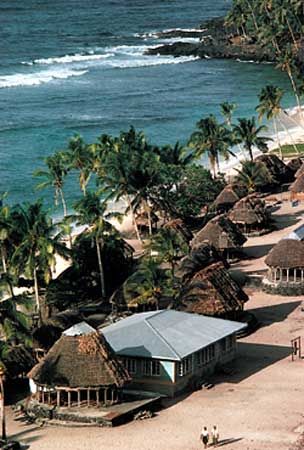
Across all of Samoa, including Savai‘i, social life centers on the village, where residents gather in a meetinghouse or around the village green, often featuring traditional fale (open-sided houses). Shared customs include the preparation and consumption of kava by matai (chiefs) during social events, as well as specific etiquette regarding posture and dining.1
What role does traditional Samoan governance play in Savai’i’s modern administration?
Traditional Samoan governance remains deeply integrated into the modern administration of Savai‘i, functioning through a system that blends national parliamentary structures with local customary leadership.
Local Governance and the Matai System
At the local level, administration is managed by more than 360 villages across Samoa, including six administrative districts on Savai‘i: Fa‘asaleleaga, Gaga‘emauga, Gaga‘ifomauga, Palauli, Satupa‘itea, and Vaisigano. The foundation of this system is the aiga (extended family), where each family designates at least one matai (chief) to represent its interests. These matai form village councils that are responsible for administering local affairs, ensuring that traditional authority remains the primary mechanism for community governance.6
National Integration
This traditional structure is also a prerequisite for national political participation. Samoa’s parliamentary government requires that all members of the Legislative Assembly be matai. By mandating that national representatives hold these traditional titles, the constitution ensures that the country’s modern political leadership is rooted in the established social hierarchy of the villages.7
Where is Savai’i located and how large is it compared to other Samoan islands?
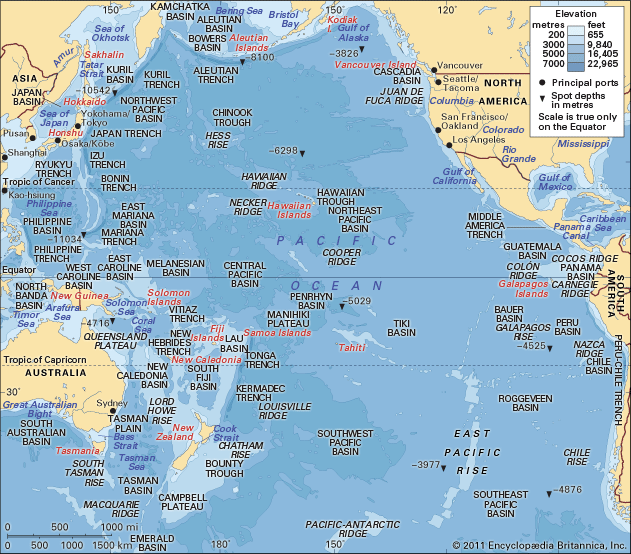
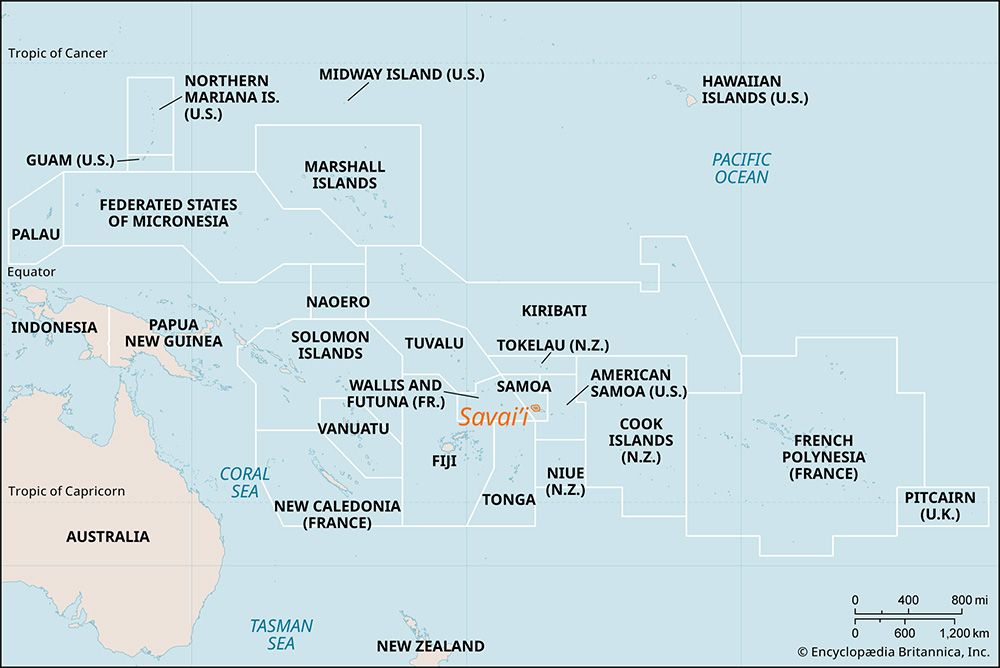
Savai‘i is the westernmost and largest island of Samoa, located in the South Pacific Ocean. It is separated from the country’s other major island, Upolu, by the Apolima Strait.12
In terms of size, Savai‘i is significantly larger than Upolu. Savai‘i covers approximately 654 to 659 square miles (1,694 to 1,707 square km), whereas Upolu occupies about 432 square miles (1,119 square km), including its five offshore islets. Savai‘i is also more mountainous, reaching an elevation of 6,095 feet (1,858 meters) at Mount Silisili, which is considerably higher than Upolu’s peak of 3,608 feet (1,100 meters) at Mount Fito. While Savai‘i and Upolu are the two main islands, the nation also includes the smaller islands of Manono and Apolima, which lie within the strait between them.12
Sources
- Savai‘i — Encyclopædia Britannica
- Samoa - Relief and drainage — Encyclopædia Britannica
- Samoa - Cultural life — Encyclopædia Britannica
- Samoa - Daily life and social customs — Encyclopædia Britannica
- Samoa — Encyclopædia Britannica
- Samoa - Local government — Encyclopædia Britannica
- Samoa - Constitutional framework — Encyclopædia Britannica
- Samoa - Languages — Encyclopædia Britannica
Published on · 3 min read