Upolu
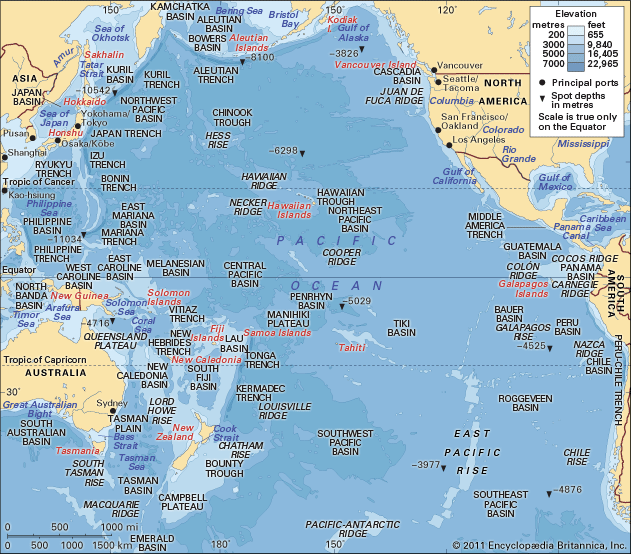
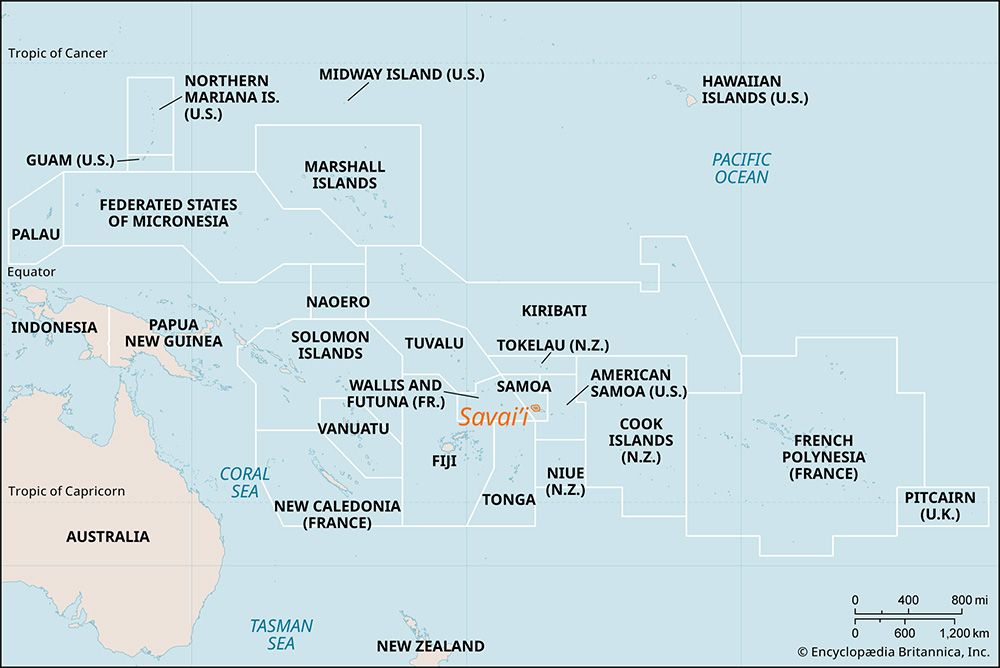
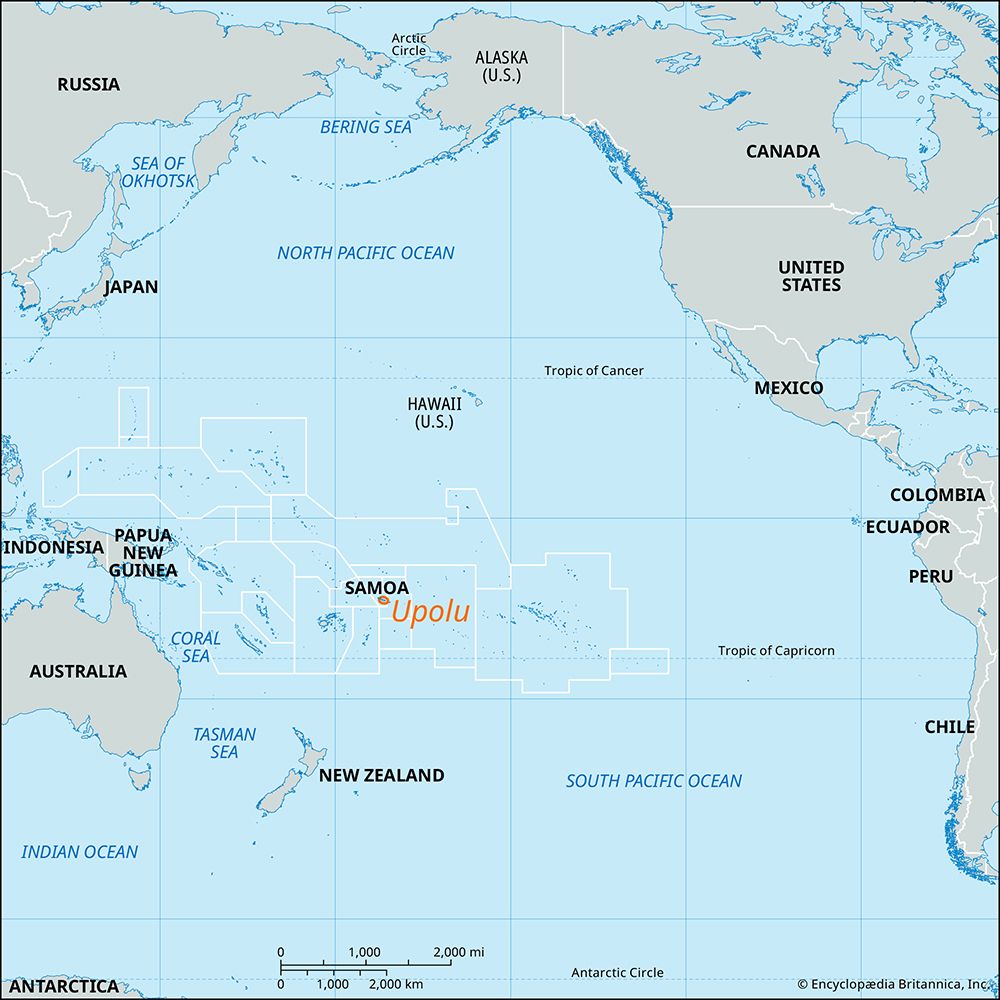
Upolu is the most populous island of Samoa, located in the South Pacific Ocean. Situated east of the larger island of Savai‘i across the Apolima Strait…
What is Upolu?
Upolu is the most populous island of Samoa, located in the South Pacific Ocean. Situated east of the larger island of Savai‘i across the Apolima Strait, Upolu spans approximately 421 square miles (1,091 square km).12
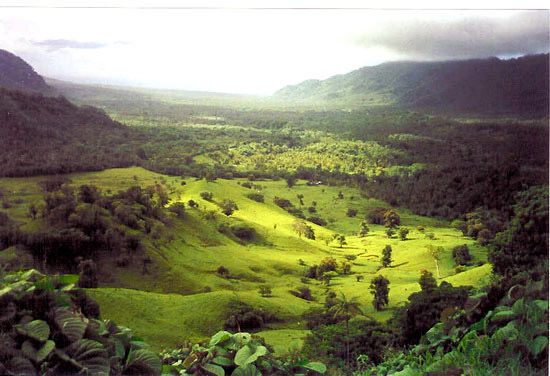
The island is characterized by a volcanic central mountain range that reaches an elevation of 3,608 feet (1,100 meters) at Mount Fito. Its geography features a wet tropical climate, a densely forested interior, and fertile coastal soils. The northern shore is home to Apia, which serves as the nation’s primary political and commercial center. Economically, the island produces goods such as cacao, taro, copra, coconut products, and various manufactured items.12
Unlike its neighbor Savai‘i, which is known for being more traditional and less developed, Upolu serves as the hub for much of the country’s activity.3
How does Upolu differ from the island of Savai’i?
Upolu and Savai‘i, the two primary islands of Samoa, differ significantly in geography, development, and population density.
Key Differences
Feature
Upolu
Savai‘i
Size
421 square miles (1,091 sq km)
654 square miles (1,694 sq km)
Elevation
Max 3,608 feet (1,100 m) at Mount Fito
Max 6,095 feet (1,858 m) at
Mount Silisili
Development
Highly developed; commercial hub
Less developed; more traditional
Population
Significantly higher (143,418 in 2011)
Lower (44,402 in 2011)
Primary Center
Apia
(National capital)
Tuasivi (Chief settlement)
While Upolu serves as the political and commercial center of the nation, Savai‘i is the largest and westernmost island, characterized by its extreme mountainous terrain and a more traditional cultural life. Although both islands share a volcanic origin and tropical climate, Savai‘i’s landscape is defined by a string of volcanic craters, whereas Upolu’s interior is noted for its dense forests.13
What is the significance of Apia as the capital of Samoa?
Apia has served as the capital of Samoa since 1959 and functions as the nation’s primary port and commercial hub. Located on the northern coast of Upolu Island, it is the center of the country’s political and administrative life.56
The significance of Apia includes:
- Political Administration: The Mulinuu Peninsula houses key government infrastructure, including the legislative council chambers and the Vailima estate, which serves as the residence for the head of state.5
- Economic Hub: As the country’s main port, Apia facilitates the export of coconut products and fruits, while also serving as a center for diversified manufacturing, tourism, and the assembly of electric parts.5
- Cultural Center: The city hosts important institutions such as the National University of Samoa, the Nelson Memorial Public Library, and the Robert Louis Stevenson Museum.57
Beyond its administrative role, the city is a focal point for the nation’s history, having been shaped by colonial-era events and its strategic importance during World War II5.
What kind of wildlife can be found in Samoa’s tropical forests?
Samoa’s tropical forests, which include both inland rainforests and cloud forests, support a diverse range of wildlife, though the islands have limited native mammal populations.10
Native Wildlife
- Birds: There are more than 50 species of birds found in Samoa, with at least 16 being indigenous. Notable species include the rare tooth-billed pigeon and the Pacific pigeon, or lupe, which held cultural significance for ancient Samoans.1011
- Mammals: The only native mammals in Samoa are flying foxes—which are currently endangered—and other species of smaller bats.10
- Reptiles and Invertebrates: The forests are home to several species of lizards and two types of snakes belonging to the boa family. Additionally, the environment supports a wide variety of insects, as well as centipedes, millipedes, scorpions, and spiders.10
Introduced Species
Over time, human activity has led to the introduction of several non-native species, including rats, wild cattle, and pigs, which now inhabit the islands.10
Sources
- Upolu — Encyclopædia Britannica
- Upolu — Merriam-Webster
- Savai‘i — Encyclopædia Britannica
- Samoa - Relief and drainage — Encyclopædia Britannica
- Apia — Encyclopædia Britannica
- Samoa: Country Facts — Encyclopædia Britannica
- Samoa - Cultural institutions — Encyclopædia Britannica
- Samoa - Labour and taxation — Encyclopædia Britannica
- Apia — Merriam-Webster
- Samoa - Plant and animal life — Encyclopædia Britannica
- Tonga - Plant and animal life — Encyclopædia Britannica
- National Park of American Samoa — Encyclopædia Britannica
- South America - Amphibians and reptiles — Encyclopædia Britannica
Published on · 3 min read