Scottish Fold Cat
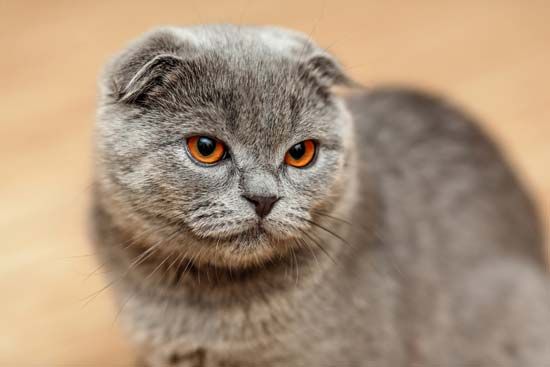
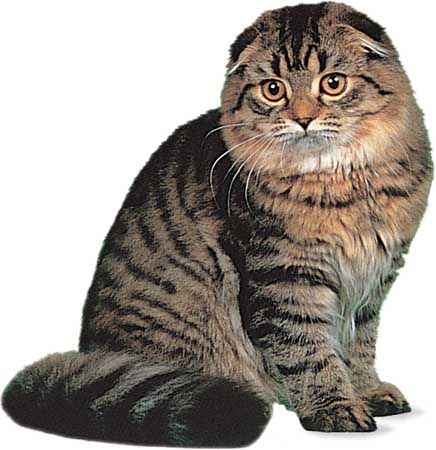
The Scottish fold is a breed of domestic cat characterized by ears that fold forward and down, a trait resulting from a spontaneous genetic mutation first…
What is Scottish fold cat?
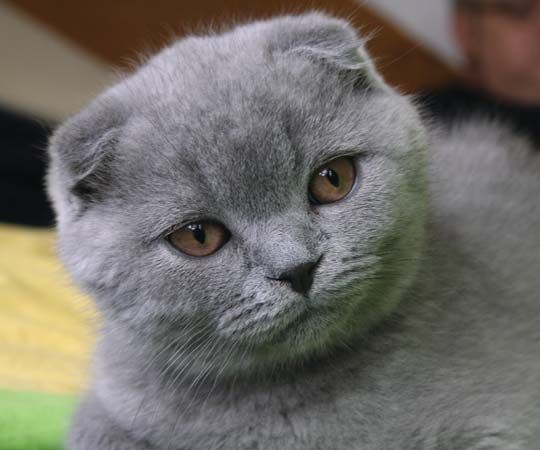
The Scottish fold is a breed of domestic cat characterized by ears that fold forward and down, a trait resulting from a spontaneous genetic mutation first identified in a barn cat named Susie in 1961. While these cats are known for being gentle and quiet, it is important to recognize the ethical concerns regarding their breeding.12
The same gene responsible for the folded ears causes a condition known as osteochondrodysplasia, a cartilage disorder that affects all Scottish folds. This condition can lead to painful joint issues, arthritis, and potential lameness. Due to these inheritable health risks, organizations such as the European Convention for the Protection of Animals recommend against breeding them, and Britain’s Governing Council of the Cat Fancy does not recognize the breed. Prioritizing the health and welfare of animals over aesthetic traits is a fundamental ethical principle in responsible pet ownership and breeding.3
What is osteochondrodysplasia and how does it affect cats?
Osteochondrodysplasia is a bone and cartilage abnormality that occurs as a result of the same genetic mutation responsible for the folded ears in the Scottish fold cat.14
While the term dysplasia generally refers to the malformation of bodily structures or tissues, specifically those involving bone, osteochondrodysplasia in these cats manifests as a systemic developmental disorder. Because the mutation affects the development of cartilage and bone throughout the body, it can lead to significant skeletal issues. It is ethically imperative to recognize that breeding for aesthetic traits that cause such physical suffering is harmful to the animal’s welfare.54
How does selective breeding impact the health of cat breeds?
Selective breeding, the practice of mating individuals to propagate specific, often aesthetically desirable traits, significantly impacts the health of cat breeds by narrowing the genetic base and increasing the prevalence of heritable defects.62
Consequences of Selective Breeding
When breeders prioritize specific physical characteristics, they often inadvertently concentrate deleterious genes within a population. This process, known as inbreeding, reduces genetic diversity and can lead to several negative outcomes:
- Increased Disease Susceptibility: A narrower gene pool makes it more likely that recessive, harmful mutations will manifest, leading to higher rates of disease and mortality.78
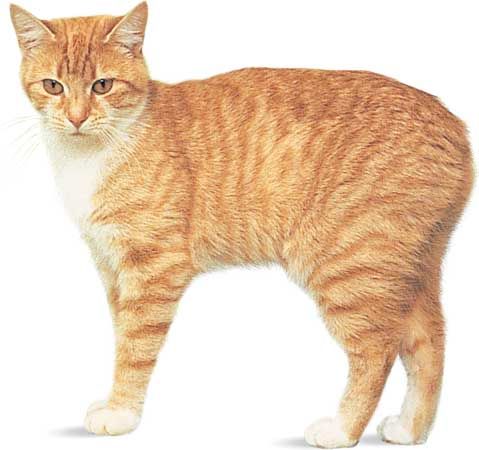
- Congenital and Structural Defects: Selective breeding for “designer” features—such as shortened limbs, folded ears, or taillessness—is frequently linked to severe physical abnormalities. For example, Scottish Fold cats are prone to osteochondrodysplasia, while Manx cats often suffer from spinal issues known as Manx Syndrome.69
- Reduced Vitality: Intense selection can result in decreased fertility, slower growth rates, and overall diminished quality of life for the animals involved.72
Prioritizing aesthetic traits over the biological well-being of an animal is ethically problematic, as it often subjects cats to lifelong pain and health complications. Responsible breeding practices should prioritize genetic diversity and the health of the individual animal above all else.68
What are some other cat breeds that have unique physical mutations?
Several cat breeds are defined by unique physical mutations that have been stabilized through selective breeding. While these traits are often sought after for their distinct appearance, they are frequently linked to significant health concerns.
Breeds with Unique Physical Mutations
- Sphynx: This breed is characterized by a near-total lack of fur, caused by a genetic mutation affecting hair follicle development. The trait was stabilized by breeders through backcrossing with domestic shorthaired cats.11
- Munchkin: Known for their significantly shortened legs, these cats are believed to carry a genetic defect related to pseudoachondroplasia. Their anatomy places them at higher risk for joint diseases like osteoarthritis due to the stress placed on their limbs.2
- Manx: This breed is famous for being tailless. The gene responsible for this trait is associated with “Manx Syndrome,” a collection of severe health issues including spinal defects, incontinence, and neurological conditions.2
- Scottish Fold: These cats are recognized by their forward-folded ears. The same gene that creates this ear shape also causes osteochondrodysplasia, a painful cartilage disorder that can lead to arthritis and lameness.2
- American Wirehair: This breed is distinguished by its unique, curly coat, which is the result of a spontaneous genetic mutation.12
It is important to recognize that breeding for these physical anomalies often prioritizes human preference over the animal’s welfare, frequently resulting in lifelong health complications for the cats.2
Sources
- Scottish fold cat — Encyclopædia Britannica
- Dwarfism in Cats: It’s Only Cute ‘til Someone Gets Hurt — Encyclopædia Britannica
- Scottish fold — Merriam-Webster
- dysplasia — Encyclopædia Britannica
- cat - Mutation and new breeds — Encyclopædia Britannica
- Animal breeding - Inbreeding — Encyclopædia Britannica
- conservation - Genetic intervention — Encyclopædia Britannica
- cats as pets - Common diseases and ailments — Encyclopædia Britannica
- cats as pets - Eye ailments — Encyclopædia Britannica
- selective breeding — Encyclopædia Britannica
- Why do Sphynx cats appear hairless? — Encyclopædia Britannica
- Shorthair Cat Breeds — Encyclopædia Britannica
Published on · 4 min read