Scrap Metal
Scrap metal refers to used metals that serve as a vital resource for producing industrial metals and alloys. Rather than relying solely on raw ore…
What is scrap metal?
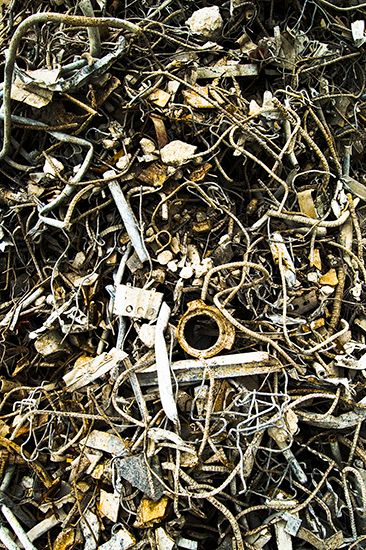
Scrap metal refers to used metals that serve as a vital resource for producing industrial metals and alloys. Rather than relying solely on raw ore, manufacturers recover these materials to create products like steel, copper, lead, aluminum, and zinc.1
Sources and Processing
Scrap is categorized into two main types:
- Internal Scrap: Metal cuttings or imperfect products generated and recycled directly within manufacturing facilities, such as steel mills.2
- External Scrap: Discarded or obsolete goods, including old automobiles, household appliances, and beverage cans.23
During processing, impurities like wood, plastic, or paint are often burned off. Metallic impurities are either refined or diluted with pure metal to achieve the desired alloy composition. Because recycling scrap is significantly more cost-effective and energy-efficient than producing metal from basic ore, it is a cornerstone of sustainable industrial manufacturing.132
Why is recycling metal better for the environment than mining new ore?
Recycling metal is significantly more environmentally and economically advantageous than extracting and refining new ore. The primary benefit is a drastic reduction in energy consumption. For instance, remelting aluminum scrap requires only 5 percent of the energy needed to produce primary aluminum from bauxite ore. Similarly, producing a beverage can from recycled material uses only about 30 percent of the energy required for production from primary metal.4
In the iron and steel industries, recycling is far more cost-effective than processing basic ore. By utilizing electric arc furnaces to melt scrap, manufacturers can further optimize efficiency; techniques such as preheating scrap can cut power consumption by 40 to 50 kilowatt-hours per ton.25
Beyond energy savings, recycling diverts massive amounts of waste from landfills, as seen in the systematic recovery of automobiles and large appliances. This circular approach preserves natural resources and reduces the industrial footprint associated with mining and primary smelting.24
How do magnets help separate different types of scrap metal?
Magnets are essential tools in the recycling industry, primarily used to isolate ferrous metals—those containing iron or steel—from mixed waste streams.23
How Magnets Function in Sorting
In large-scale operations, such as materials recovery facilities or automobile shredding plants, waste materials are typically moved along conveyor belts. Powerful magnets are positioned to attract ferrous items, pulling them away from the rest of the debris. This process is highly effective for:
- Automobile Recycling: After vehicles are shredded into small pieces, magnets extract the iron and steel components from the remaining residue, which may contain plastics, textiles, and rubber.2
- General Waste Processing: In facilities that handle mixed recyclables, automated systems use magnets to pull out steel cans and other iron-based materials, allowing the remaining items to be sorted by other means, such as ultraviolet optical scanners or manual labor.3
It is important to note that magnets are ineffective for separating nonferrous metals, such as aluminum, copper, and lead. These materials currently require manual sorting or other specialized mechanical methods to be properly recovered.6
What are some common household items that contain valuable scrap metal?
Many common household items contain valuable metals that can be recovered through recycling. These items are generally categorized by the type of metal they contain, which dictates how they are processed.
Common Household Sources of Scrap Metal
- Large Appliances: Items such as washing machines and refrigerators are significant sources of iron and steel. Like automobiles, these bulky items are often shredded and processed to recover their ferrous metal content.2
- Beverage Cans: These are a primary source of high-quality aluminum. In many regions, a large majority of these cans are collected and recycled into new products.1
- Electrical Storage Batteries: Discarded batteries are the main source of recycled lead. The lead plates inside are smelted to create new batteries or to produce pure lead and antimony.1
- Steel Cans: Beyond large appliances, lighter steel items like food and beverage cans are recycled in massive quantities.2
- Wiring and Electronics: Household copper is frequently found in electrical wiring, which is often insulated with plastic or rubber. Additionally, modern electronics contain various metals, including tin-based solders used for electrical connections.37
Because these items often contain a mix of materials—such as plastic, fabric, or paint—recycling facilities use various methods, including magnets for ferrous metals and manual sorting for nonferrous materials, to isolate the valuable metals for remelting.281
Sources
- scrap metal — Encyclopædia Britannica
- recycling - Ferrous metals — Encyclopædia Britannica
- recycling - Nonferrous metals — Encyclopædia Britannica
- aluminum processing - Recycling — Encyclopædia Britannica
- steel - Variations — Encyclopædia Britannica
- materials recovery facility — Encyclopædia Britannica
- tin processing - Tin-based solders — Encyclopædia Britannica
- copper processing - Electrical conductors — Encyclopædia Britannica
Published on · 3 min read