Recycling
Recycling is the process of recovering and reprocessing waste materials to create new products. This cycle involves collecting waste, manufacturing it into…
What is recycling and why is it important for the environment?
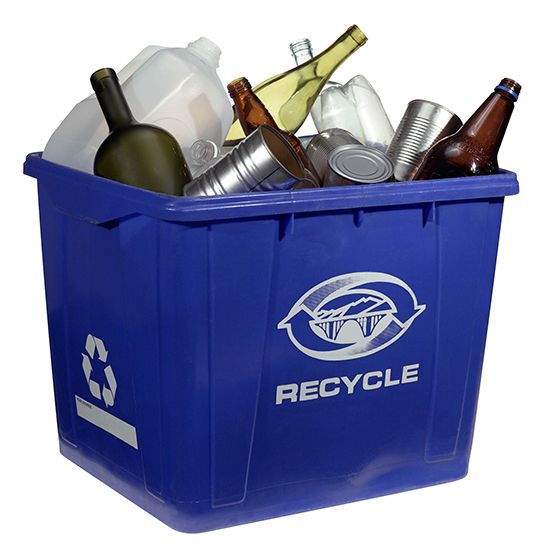
Recycling is the process of recovering and reprocessing waste materials to create new products. This cycle involves collecting waste, manufacturing it into new items, and purchasing those products to continue the loop.1
It is environmentally vital for several reasons:
- Resource Conservation: Recycled materials act as substitutes for raw materials, helping to preserve increasingly scarce natural resources like petroleum, natural gas, coal, mineral ores, and trees.1
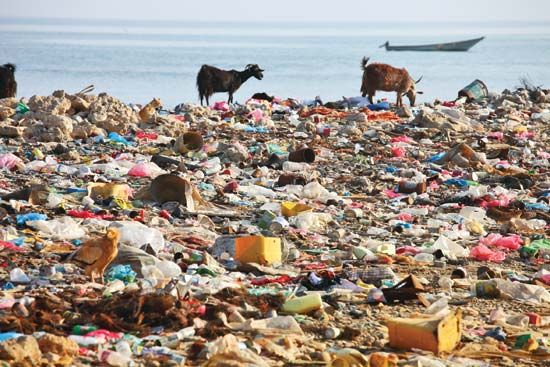
- Waste Reduction: It decreases the volume of solid waste sent to landfills, which are costly to maintain.1
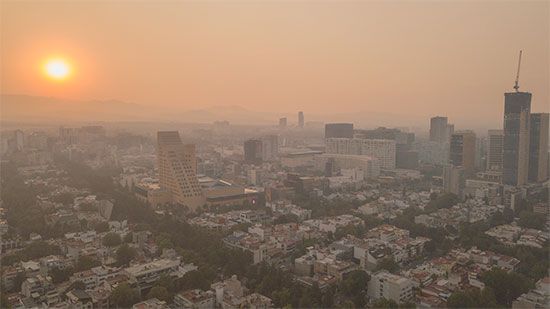
- Pollution Mitigation: Recycling helps lower the pollution of air, water, and land that typically results from standard waste disposal methods.1
Ultimately, choosing to recycle is an ethical commitment to responsible resource management, as it lessens our ecological footprint and protects the environment for future generations.1
What are the main materials that can be recycled, and how are they processed?
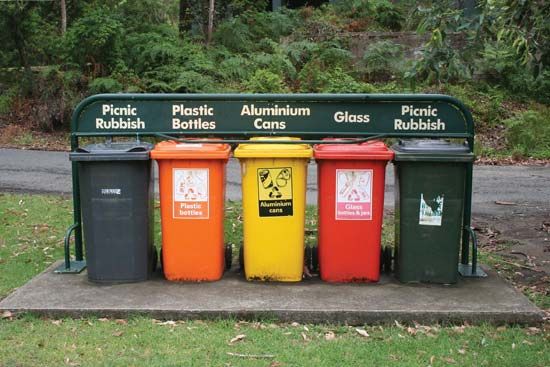
Recyclable materials are typically processed at a materials recovery facility (MRF), where they are sorted, cleaned, and prepared for manufacturing. Common materials include:3
- Paper: Old newspapers and mixed paper are sorted, pulped, de-inked, and screened to create new paper products.43
- Glass: Glass is color-sorted, crushed into cullet, and melted to manufacture new glass, or sterilized for direct reuse.43
- Metals: Steel is baled and sent to mills as scrap, while aluminum is compacted and smelted.4
- Plastics: After being chopped and ground into chips, plastics are washed to remove contaminants. Because of varying polymer types, they are often recycled into less-demanding products like “plastic lumber” or fibers.54
- Rubber: Often shredded and revulcanized for use in asphalt, artificial turf, or mulch.4
Processing involves mechanical sorting—using magnets and optical scanners—and manual labor to separate materials. Once sorted, items are shredded, pulped, or melted to serve as raw material substitutes for new production.31
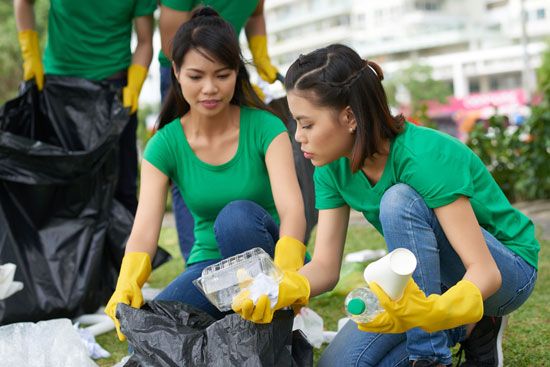
How does the recycling process work, from collection to creating new products?
The recycling process is a systematic cycle that transforms waste into raw materials for new products. It generally follows three main phases: collection, processing, and manufacturing.5
Collection
Materials are gathered through several methods, including curbside collection, drop-off centers, or buy-back programs. This can be done via “source separation,” where individuals sort items like paper, glass, and metals before pickup, or through mixed collection.561
Processing
Collected items are sent to a materials recovery facility (MRF). Here, the process involves:
- Sorting: Facilities use a combination of manual labor and automated technology, such as magnets to extract steel, eddy-current separators for aluminum, and ultraviolet optical scanners to identify plastics.61
- Preparation: Once sorted, materials are cleaned and physically altered to serve as raw material substitutes. This includes shredding plastics and metals, pulping paper into a slurry, or pulverizing and melting glass.67
Manufacturing
Processed materials are shipped to specialized facilities where they are manufactured into new goods, completing the loop.65
How does electronic waste (e-waste) recycling differ from other types of recycling?
Electronic waste (e-waste) recycling differs significantly from traditional municipal recycling due to its complex composition and the presence of hazardous substances. While municipal waste is often processed for bulk materials like paper or glass, e-waste requires specialized handling to manage both toxic components and valuable resources.89
Key Differences
- Hazardous Nature: Unlike typical household recyclables, e-waste contains toxic materials such as lead, cadmium, mercury, and polychlorinated biphenyls. Improper handling, such as open burning or primitive chemical extraction, releases these toxins into the air, soil, and water, posing severe health risks.8
- Resource Recovery: E-waste is unique because it contains high-value precious metals, including gold, silver, and platinum, alongside recyclable copper and plastics8.9
- Regulatory Complexity: Due to its hazardous nature, e-waste is subject to stricter environmental regulations. Many jurisdictions now implement Extended Producer Responsibility (EPR) policies, requiring manufacturers to manage products through their entire life cycle, including take-back systems.810
Because of these factors, safe e-waste recycling is an ethical imperative to prevent environmental degradation and protect workers from toxic exposure.8
Sources
- recycling — Encyclopædia Britannica
- recycling — Merriam-Webster
- solid-waste management - Reuse — Encyclopædia Britannica
- plastic - Economic recovery of value — Encyclopædia Britannica
- materials recovery facility — Encyclopædia Britannica
- solid-waste management - Separation — Encyclopædia Britannica
- recycling - Ferrous metals — Encyclopædia Britannica
- electronic waste — Encyclopædia Britannica
- waste management in India - Electronic waste — Encyclopædia Britannica
- waste disposal — Encyclopædia Britannica
Published on · 3 min read