Irish Terrier
The Irish terrier is one of the oldest dog breeds developed in Ireland. Often nicknamed the “daredevil,” this breed is known for being adaptable, loyal…
What is Irish terrier?
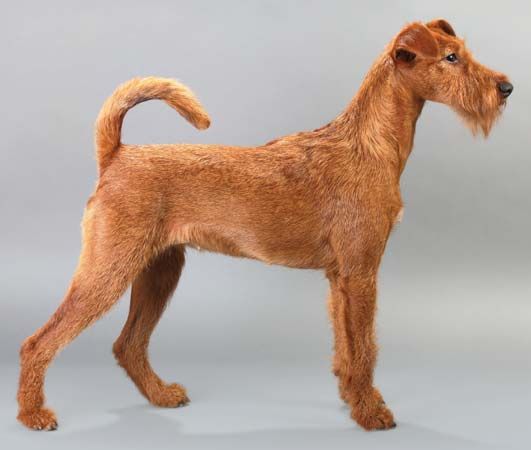
The Irish terrier is one of the oldest dog breeds developed in Ireland. Often nicknamed the “daredevil,” this breed is known for being adaptable, loyal, spirited, and remarkably courageous.1
Physically, the Irish terrier is sturdily built with racier lines than many other terriers. It typically stands about 18 inches (46 cm) tall, weighs between 25 and 27 pounds (11 to 12 kg), and is easily recognized by its wiry, golden-red to reddish-brown coat and a long, narrow head often accented by a short beard.12
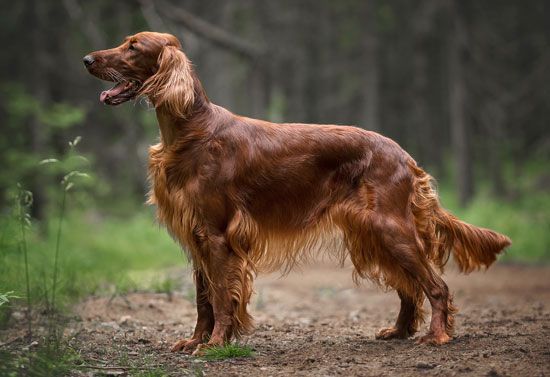
Historically, the breed was used for hunting and retrieving game, and it famously served as a messenger and sentinel dog during World War I1. While it shares the spirited personality common to the terrier group, it is a distinct breed and should not be confused with the Irish Setter, which is a larger, sporting breed known for its mahogany coat.3
What roles did dogs play during World War I?
During World War I, dogs served in several critical capacities, proving themselves to be invaluable assets to military forces on the front lines. Their roles included:
- Messenger Service: Dogs were employed extensively to carry messages between units, particularly when electrical communication lines were severed by intense artillery fire. They were highly efficient in this role, especially within the German army.5
- Detection and Guard Duty: Some dogs, such as the famous Sergeant Stubby, were trained to detect the scent of poisonous gas, barking to alert soldiers in the trenches and saving many lives. Dogs also performed guard duty, helping to identify and capture enemy spies attempting to infiltrate Allied positions.6
- Search and Rescue: Dogs were used to locate wounded soldiers lying in the fields between trenches. By barking, they alerted searchers to the location of the injured, allowing them to be brought to safety.6
- Morale and Therapy: Many dogs served as unofficial mascots for infantry units, providing companionship that boosted the morale of soldiers. Some, like Sergeant Stubby, also acted as therapy dogs, visiting recovering soldiers in hospitals to lift their spirits.6
How does the process of hand-stripping a terrier’s coat work?
Hand-stripping, also known as plucking or stripping, is a grooming technique essential for maintaining the characteristic hard texture of a terrier’s wiry coat. Because these dogs do not shed their dead hair naturally, the process involves manually pulling out the old, dead hair from the coat.
This is typically performed by hand or with the assistance of a stripping knife—a specialized tool with a serrated edge designed to grip and remove the hair. By removing the dead hair, the coat remains sleek, trim, and retains its protective, wiry quality. While some owners choose to clip the coat instead, this alternative method is generally discouraged for show dogs because it tends to soften the texture of the hair over time.
What are the main differences between long-legged and short-legged terriers?
The primary distinction between long-legged and short-legged terriers is rooted in their historical function and the environment in which they were bred to work.
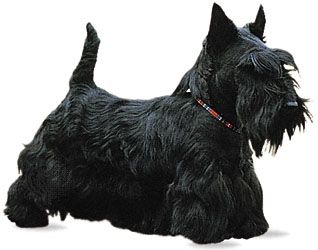
- Short-legged Terriers: These breeds were specifically developed to work underground, where they would enter rodent burrows to flush out or confront prey. Because they needed to fit into these tight spaces, they were bred with shorter legs and a compact, sturdy build. Examples include the Cairn Terrier, Scottish Terrier, and Skye Terrier.910
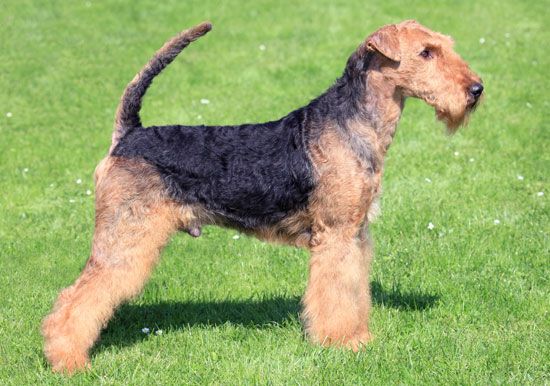
- Long-legged Terriers: These breeds were generally developed to work aboveground. Consequently, they possess squarer proportions and longer legs, which provided them with the speed and agility necessary for tasks such as foxhunting or general farm work. Examples of larger, longer-legged breeds include the Airedale Terrier and the Irish Terrier.910
While their physical structures differ to suit their specific tasks, all terriers share a common heritage as tenacious, spirited hunters with a strong prey drive and a naturally vocal, active temperament.910
Sources
- Irish terrier — Encyclopædia Britannica
- Irish terrier — Merriam-Webster
- terrier — Encyclopædia Britannica
- Irish Setter — Encyclopædia Britannica
- How Service Animals Help Humans Live Fuller Lives — Encyclopædia Britannica
- Sergeant Stubby — Encyclopædia Britannica
- military communication - From World War I to 1940 — Encyclopædia Britannica
- stripping knife — Merriam-Webster
- cairn terrier — Encyclopædia Britannica
- dog - Terriers — Encyclopædia Britannica
- Skye terrier — Encyclopædia Britannica
Published on · 3 min read