Sequoia National Park
Sequoia National Park, located in the Sierra Nevada of California, supports a diverse range of animal life within its forested landscape.
What wildlife can be found in Sequoia National Park?
Sequoia National Park, located in the Sierra Nevada of California, supports a diverse range of animal life within its forested landscape.
Commonly observed wildlife in the park includes:
- Black bears: These are among the most prominent large mammals in the region.1
- Mule deer: Frequently found throughout the park’s varied terrain.1
- Gray foxes: These small predators are native to the area.1
- Small mammals: The park is home to various species, including squirrels and other small mammals.1
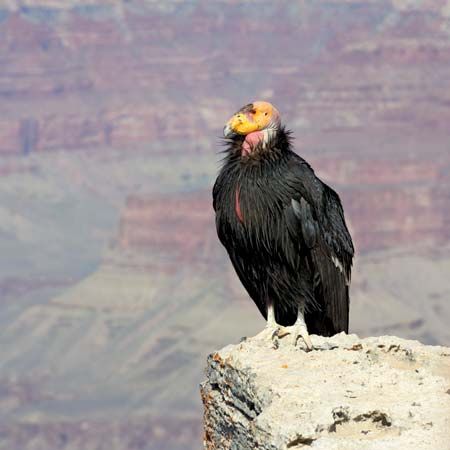
Additionally, the giant sequoia trees themselves serve as vital habitat; for instance, the endangered California condor is known to nest in the cavities of these massive trees. While the adjacent Sequoia National Forest shares similar species like bears and mule deer, it is important to distinguish the park’s protected environment from the surrounding forest lands.213
What are the main attractions and natural features of Sequoia National Park?
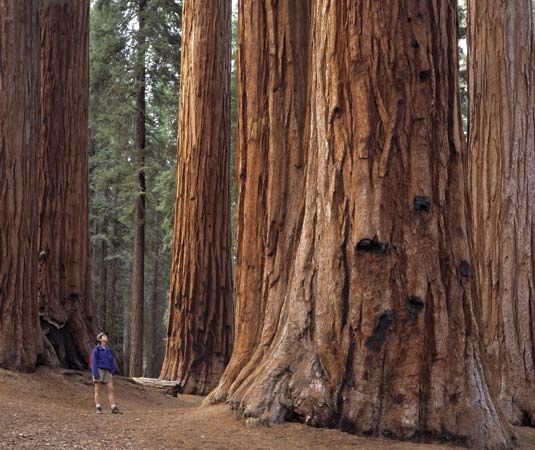
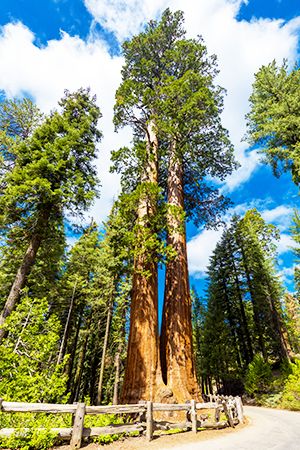
Sequoia National Park, located in California’s Sierra Nevada, is renowned for its dramatic mountain landscapes and ancient forests. Established in 1890, the park serves as a protected sanctuary for the giant sequoia, including the General Sherman Tree, which is the world’s largest living thing by volume.2
Key Attractions and Features
- The Giant Forest: This area contains numerous groves of massive sequoias, offering visitors a chance to walk among some of the oldest living organisms on Earth.2
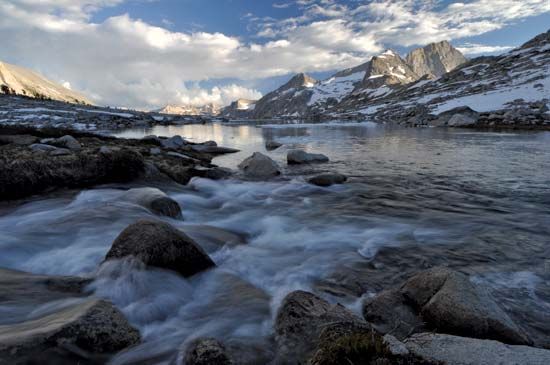
- Mount Whitney: Located on the park’s eastern boundary, this peak reaches 14,494 feet (4,418 meters) and holds the distinction of being the highest mountain in the contiguous United States.2
- Mineral King Valley: A scenic, glacier-carved valley in the southern portion of the park, characterized by high mountain peaks and extensive hiking trails.2
- Trail Systems: The Pacific Crest National Scenic Trail and the John Muir Trail traverse the park, providing world-class routes for hikers and backpackers.2
What recreational activities are available for visitors to Sequoia National Park?
Visitors to Sequoia National Park have access to a variety of outdoor recreational opportunities, primarily centered on the park’s rugged mountain terrain and ancient forests.
- Hiking and Backpacking: The park features extensive trail systems, including the Pacific Crest National Scenic Trail, which traverses the eastern portion of the park. Many hikers also utilize the John Muir Trail, which runs southward through the park before heading toward Mount Whitney. Additionally, the Mineral King Valley area offers a network of trails that radiate from the glacier-carved valley into the surrounding high mountain peaks.3
- Sightseeing: Visitors frequently explore the Giant Forest to view the General Sherman Tree and other groves of giant sequoias, which are among the oldest and largest living things on Earth.3
Please note that while activities such as hunting, skiing, snowmobiling, and white-water rafting are available in the adjacent Sequoia National Forest, these are distinct from the recreational offerings within the national park itself.2
What is the history behind the establishment of Sequoia National Park?
Sequoia National Park was established in 1890 to protect the giant sequoia groves of the Sierra Nevada from widespread destruction.25
Following the “discovery” of these trees by white hunters in the 1830s, the public became increasingly aware of their existence. However, this fame led to exploitation; loggers frequently felled the massive trees for lumber or simply to prove their size, despite the wood being brittle and often shattering upon impact.5
The movement to protect these forests was championed by the conservationist John Muir, who argued that the trees were “godlike” and deserved protection. Muir and the Sierra Club advocated for federal intervention to halt the senseless logging of these ancient organisms. Their efforts were successful, leading to the park’s creation in 1890. This protection was later bolstered by the formation of the Sequoia National Forest in 1908 and the Giant Sequoia National Monument in 2000, which preserved remaining groves not included in the original park boundaries.52
Sources
- Sierra National Forest — Encyclopædia Britannica
- Sequoia National Park — Encyclopædia Britannica
- Sequoia National Forest and Giant Sequoia National Monument — Encyclopædia Britannica
- giant sequoia — Encyclopædia Britannica
- Saving the World’s Largest Trees — Encyclopædia Britannica
- Kings Canyon National Park — Encyclopædia Britannica
Published on · 3 min read