Serengeti National Park
Serengeti National Park, located in north-central Tanzania, is defined by two primary, expansive ecosystems that support its world-renowned wildlife…
What unique ecosystems and habitats can be found within Serengeti National Park?
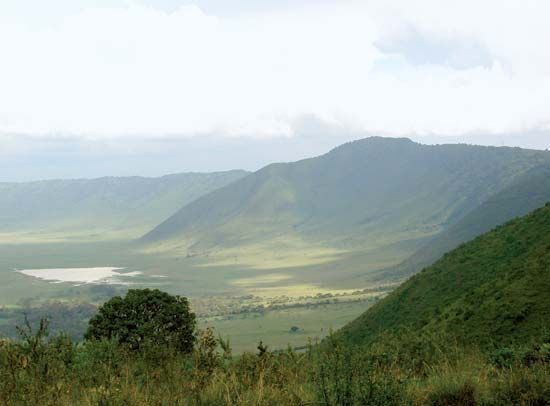
Serengeti National Park, located in north-central Tanzania, is defined by two primary, expansive ecosystems that support its world-renowned wildlife populations:
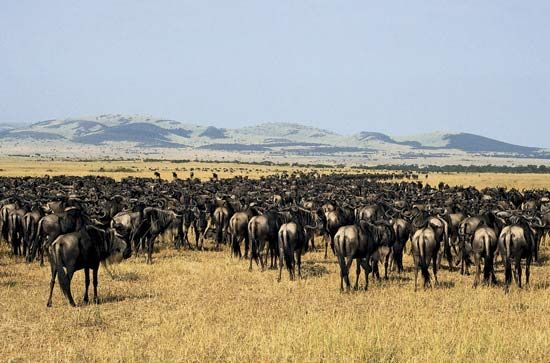
- Grassland Plains: The park encompasses 5,700 square miles of some of the finest grassland range in Africa. These plains serve as the critical grazing grounds for millions of gnu, zebras, and gazelles during the wet season, from November to May.1
- Acacia Woodland Savanna: This habitat provides a different environment for the park’s diverse fauna. During the dry season, large groups of animals migrate west into these woodlands before moving further north.1
Additionally, the park features specialized micro-habitats, such as the marshes near the Mara River, which provide essential territory for hippopotamuses and crocodiles. These varied landscapes are vital for maintaining the only remaining large-scale land-animal migrations in Africa.1
What are some of the most notable animal species found in Serengeti National Park?
Serengeti National Park is home to a vast array of wildlife, most notably its massive herds of migratory plains animals. The park supports millions of individuals, including approximately 2,000,000 gnu (wildebeests), 300,000 zebras, and 900,000 gazelles.1
Beyond these migratory herds, the park hosts a diverse range of other notable species:
- Predators: Large populations of lions, spotted hyenas, leopards, and cheetahs.1
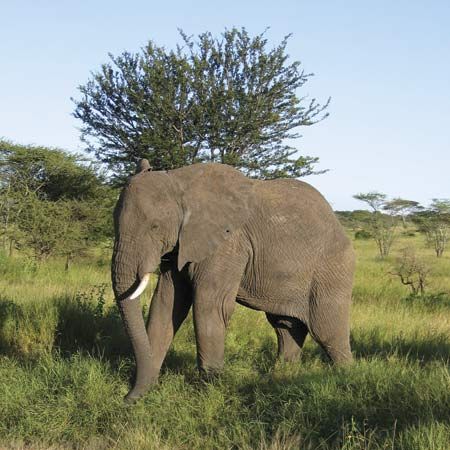
- Large Mammals: Elephants, giraffes, hippopotamuses, and the critically endangered black rhinoceros1.
- Primates: Baboons1.
- Reptiles: Crocodiles are frequently found in the marshes near the Mara River1.
- Birds: The park records more than 500 species, including ostriches, vultures, and flamingos.1
Protecting these species is a moral imperative, as they face ongoing threats from poaching, disease, and habitat competition.1
How does the Serengeti-Mara ecosystem extend beyond the national park’s boundaries?
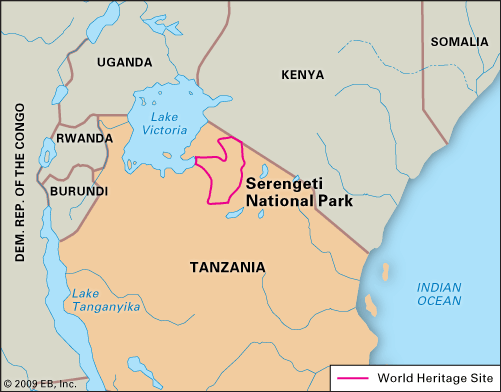
The Serengeti-Mara ecosystem extends well beyond the boundaries of Serengeti National Park, forming a vast, interconnected landscape essential for wildlife migration.
- The Mara: During their annual migration, large groups of animals move north from the park’s woodland savanna into the grasslands just beyond the Kenya-Tanzania border. This region is known as the Mara, or the Masai Mara National Reserve.
- Ngorongoro Conservation Area: Located southeast of the park, this area is part of the broader regional ecosystem. It features diverse landscapes—including volcanic craters, forests, and lakes—that support many of the same ungulate herds and predator populations found within the Serengeti.1
- Western Corridor: The ecosystem also reaches toward the shores of Lake Victoria, where a “western corridor” serves as a vital migratory path for the park’s animal populations.2
These interconnected regions are crucial for maintaining the large-scale migrations that define the Serengeti ecosystem.2
How has the Serengeti National Park influenced Tanzania’s tourism industry?
Serengeti National Park serves as a cornerstone of Tanzania’s tourism industry, functioning as a premier international attraction that draws visitors from around the globe. As a World Heritage site, the park is central to the country’s broader strategy of leveraging its extensive network of national parks and conservation areas to drive economic growth.31
The significance of this sector is substantial; by the early 2000s, tourism accounted for nearly one-fifth of Tanzania’s gross domestic product. The Serengeti’s unique status as the only place in Africa where vast land-animal migrations still occur makes it a primary draw for international travelers, which in turn supports the wider services sector that contributes significantly to the national economy. By showcasing such unparalleled biodiversity, the park remains a vital asset in the government’s efforts to expand the country’s economic promise through sustainable wildlife tourism.13
Sources
- Serengeti National Park — Encyclopædia Britannica
- Ngorongoro Conservation Area — Encyclopædia Britannica
- Tanzania - Services — Encyclopædia Britannica
Published on · 3 min read