Setter
The term "setter" refers to different roles depending on the context:
What is setter?
The term “setter” refers to different roles depending on the context:
- In Sports: A setter is a key position in volleyball. This player leads the team’s offense by reading the opponent’s defensive positioning and setting the ball for a teammate to perform an attack hit.12
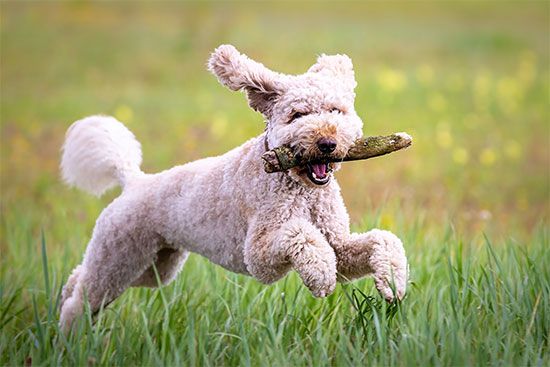
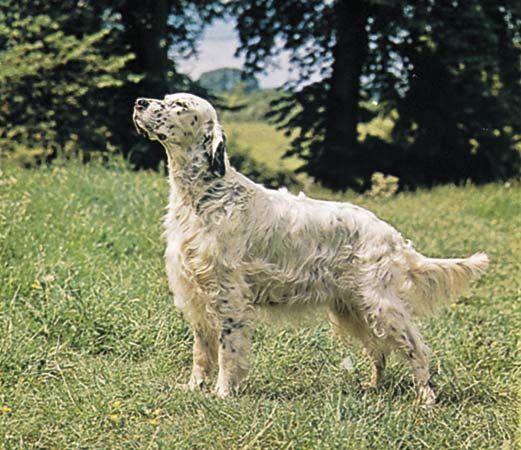
- In Animal Breeds: A setter is a type of sporting dog used for hunting game birds. Historically, these dogs were trained to find birds and “set”—or crouch down—so a net could be cast over them. With the advent of firearms, they were trained to adopt an upright stance instead. The three primary breeds are the English setter, Gordon setter, and Irish setter.3

What are the main differences between English, Gordon, and Irish setters?
While all three breeds share a common ancestry as sporting dogs developed to locate and point game birds, they possess distinct physical and temperamental characteristics.61
Key Differences
- Gordon Setter: Originating in 17th-century Scotland, this breed is the largest and most robust, standing 23–27 inches tall and weighing 45–80 pounds. It is characterized by a soft, wavy black coat with tan markings on the head, throat, chest, and legs. In the field, the Gordon setter is known for being methodical.7
- Irish Setter: Developed in 18th-century Ireland, this breed is famous for its elegant build and bright mahogany or chestnut-colored coat. It stands 25–27 inches tall and weighs 60–70 pounds. Known for being gregarious, intelligent, and swift, the Irish setter is highly active and requires significant daily exercise.1
- English Setter: While specific physical dimensions for the English setter are not detailed in the provided text, it is recognized alongside the Gordon and Irish varieties as a primary breed within the setter group.6
How does a setter coordinate the offense in a volleyball match?
In a volleyball match, the setter acts as the primary playmaker, responsible for leading the team’s offense. Their role involves two critical functions: reading the opposing team’s defensive positioning and delivering the ball to a hitter to execute an attack.8
By analyzing the opponent’s formation, the setter determines the most effective path for the ball, setting it for teammates such as the outside hitter, opposite hitter, or middle blocker to strike the ball strategically into the opponent’s court. While the setter is the primary offensive coordinator, other players may assist in this role; for instance, the libero—a defensive specialist—is increasingly utilized as a secondary setter if the primary setter is the first to receive the serve.83
What are the key skills needed to be a successful volleyball setter?
To be a successful volleyball setter, a player must master two primary skills that define the position’s role as the team’s offensive leader:
- Strategic Playmaking: The setter is responsible for directing the team’s offense by accurately delivering the ball to hitters, enabling them to execute effective attacks into the opponent’s court.4
- Defensive Analysis: A setter must possess the ability to read the opposing team’s defensive positioning in real-time, allowing them to make split-second decisions on where to place the ball to exploit gaps or weaknesses in the opponent’s defense.4
While these are the core functions, success in this role also requires high-level coordination with teammates and the ability to adapt to the flow of the match.
Sources
- setter — Encyclopædia Britannica
- setter-up — Merriam-Webster
- volleyball - Positions — Encyclopædia Britannica
- volleyball: Top Questions — Encyclopædia Britannica
- setter-to — Merriam-Webster
- Gordon setter — Encyclopædia Britannica
- Irish Setter — Encyclopædia Britannica
- libero: Top Questions — Encyclopædia Britannica
Published on · 2 min read