Retriever
A retriever is a type of sporting dog specifically bred and trained to locate and bring back game, such as birds, for hunters. These dogs are highly valued…
What is retriever?
A retriever is a type of sporting dog specifically bred and trained to locate and bring back game, such as birds, for hunters. These dogs are highly valued for their intelligence, active nature, and social temperament.12
Key characteristics of retrievers include:
- Physical Traits: They typically possess water-resistant coats and a keen sense of smell.32
- “Soft” Mouths: A defining feature is their “soft” mouth, which allows them to carry and return game without damaging it.2
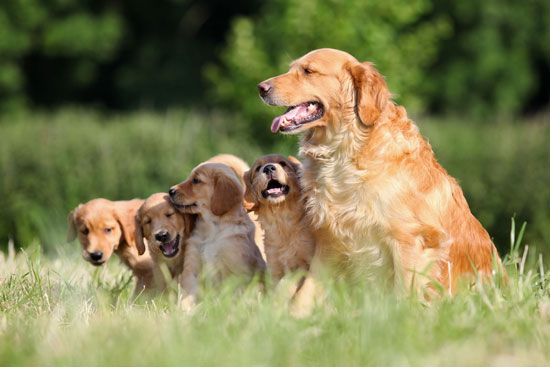
- Versatility: While originally developed for hunting on land and in water, many breeds—such as the Labrador Retriever and Golden Retriever—are now popular family pets and are frequently trained for roles like search and rescue or as guide dogs.14
Common breeds in this category include the Chesapeake Bay Retriever, Flat-Coated Retriever, and the Nova Scotia Duck Tolling Retriever.2
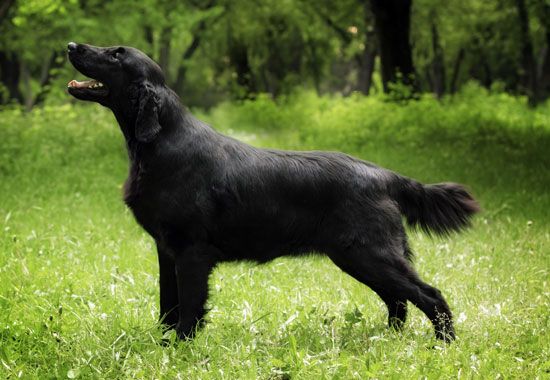
What are the main differences between a Labrador and a Golden Retriever?
While both the Labrador Retriever and the Golden Retriever are popular sporting breeds, they possess distinct physical and historical differences.
Physical Characteristics
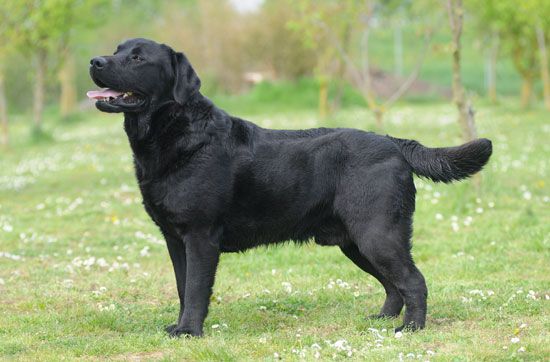
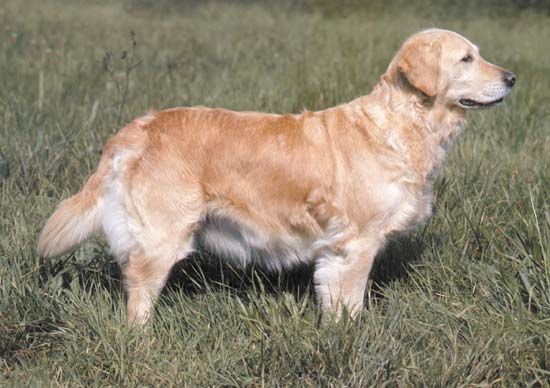
The Labrador is more solidly built with shorter legs compared to other retrievers. A defining feature is its “otter tail,” which is thick at the base and tapers toward the end, serving as a rudder while swimming. Their coat is short, dense, and water-resistant, appearing in black, yellow, or chocolate. In contrast, Golden Retrievers are characterized by their long, dense, and lustrous golden-colored coats, which require more frequent grooming than the Labrador’s minimal maintenance needs.7
Origins and Temperament
Labradors originated in Newfoundland and were brought to England around 1800. They are known for being high-energy, biddable, and occasionally strong-willed, with a notable tendency to overeat due to a specific genetic mutation. While both breeds are intelligent and excel as guide dogs or service animals, the Labrador’s working heritage was specifically shaped by the need to retrieve game from frigid waters, resulting in a dog that is exceptionally dauntless and tireless in its work.7
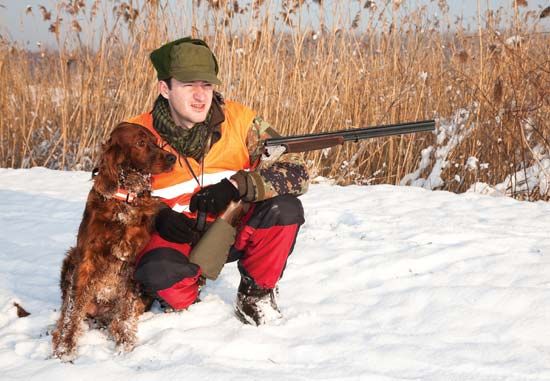
What other types of sporting dogs exist besides retrievers?
Beyond retrievers, the sporting dog category includes three other primary types, as well as specific breeds that function as versatile hunters. These dogs are generally characterized by their intelligence, active nature, and social temperament.28
The four basic types of sporting dogs are:
- Retrievers: Dogs bred to locate and return game to the hunter.28
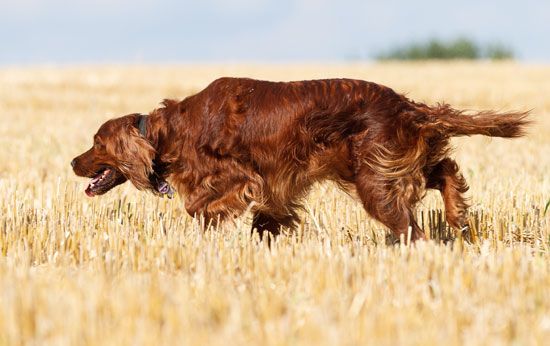
- Pointers: Dogs that use their sense of smell to locate game and then “point” by freezing in a specific stance to indicate the location to the hunter.28
- Setters: Similar to pointers, these dogs are known for their ability to locate game and often have a long, elegant build.28
- Spaniels: Originally developed to flush game out of cover, these dogs are categorized by their function as either land or water spaniels.98
In addition to these four groups, other breeds such as the Vizsla and the Weimaraner are also classified as sporting dogs due to their historical roles as versatile gun dogs.28
How are dogs trained to perform retrieval tasks?
Training dogs to perform retrieval tasks relies heavily on harnessing their natural, instinctual behaviors. Breeds such as Golden Retrievers and Labrador Retrievers were selectively bred for generations to retrieve game, making the act of chasing and returning objects a manifestation of deeply ingrained hunting instincts.11
The training process often utilizes the game of fetch as a foundational tool. This activity mimics the sequence of hunting, allowing dogs to expend physical energy while improving their balance, reflexes, and agility. Beyond the physical aspect, successful retrieval training is built upon the social nature of dogs. Because they thrive on interaction with their human companions, the cooperative nature of the game fosters teamwork. Trainers reinforce these behaviors through positive reinforcement, such as praise and affection, which strengthens the bond between the dog and the handler and encourages the dog to continue the desired behavior. While some gun dogs like spaniels, setters, and pointers are also trained to locate and flush game, the specific retrieval task remains a core component of their utility in the field.1112
Sources
- retriever — Merriam-Webster
- sporting dog — Encyclopædia Britannica
- Golden Retriever dog — Encyclopædia Britannica
- dog - Origin of breeds — Encyclopædia Britannica
- retriever — Encyclopædia Britannica
- retrieve — Merriam-Webster
- Labrador Retriever — Encyclopædia Britannica
- spaniel — Encyclopædia Britannica
- dog - The breeds — Encyclopædia Britannica
- dog - Sporting dogs — Encyclopædia Britannica
- Why do dogs like to play fetch? — Encyclopædia Britannica
- hunting - Dogs — Encyclopædia Britannica
Published on · 3 min read