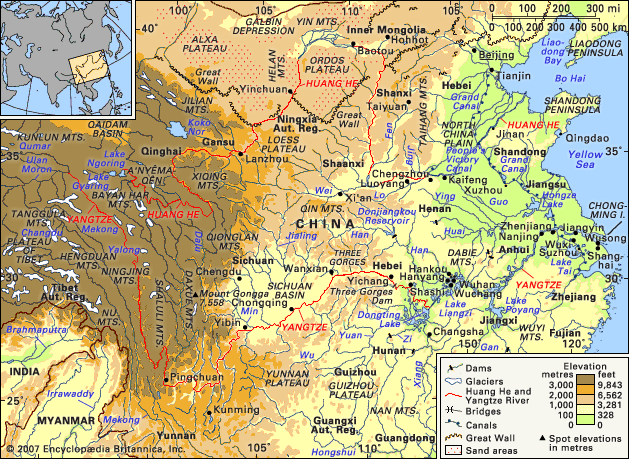
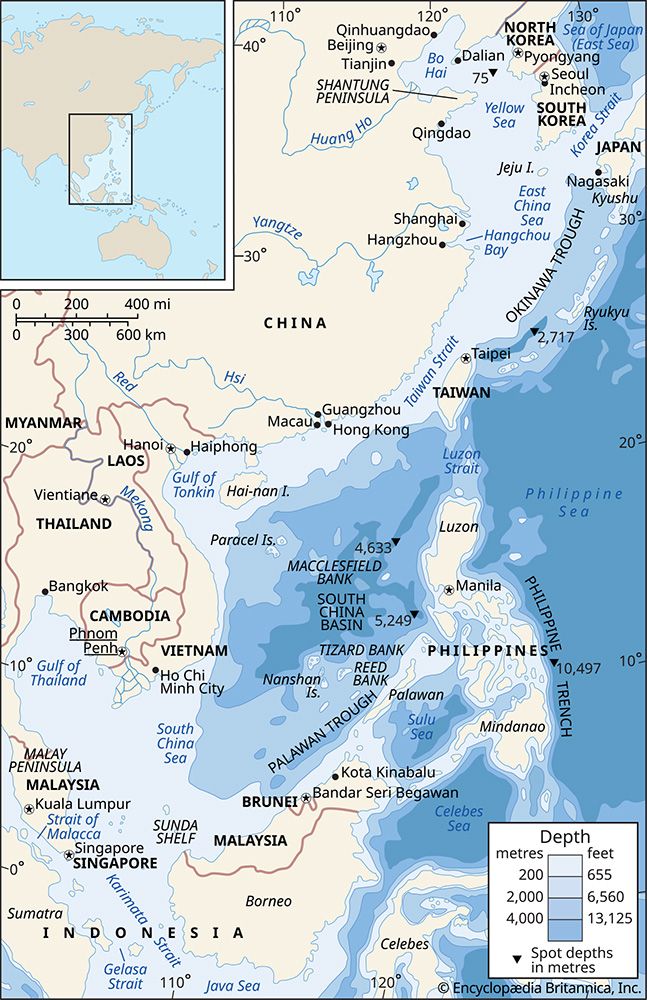
Shandong Peninsula
The Shandong Peninsula is rich in a variety of natural resources, supporting both its industrial and agricultural sectors. Key resources include:
What natural resources are abundant in the Shandong Peninsula region?
The Shandong Peninsula is rich in a variety of natural resources, supporting both its industrial and agricultural sectors. Key resources include:
- Minerals and Metals: The region is known for deposits of iron ore, magnesite, and gold, the latter of which is scattered throughout the peninsular hills.12
- Energy Resources: While coal is a major resource for the broader province, the peninsula’s northern coast near the mouth of the Huang He is home to the Shengli oil field, one of China’s largest petroleum production areas.2
- Marine Resources: The peninsula’s indented coastline and the convergence of ocean currents support a thriving fishing industry. The region is a significant producer of edible salt, harvested from tidal beaches, and is a major source of seafood, including prawns, scallops, abalone, sea urchins, and various fish species.123
- Agricultural Products: The peninsular uplands are particularly well-suited for growing peanuts, a leading cash crop used for oil production. The hills also support the cultivation of fruits such as apples, grapes, and pears, as well as tea on the southern side.13
How does the Shandong Peninsula contribute to China’s maritime economy and trade?
The Shandong Peninsula serves as a vital maritime gateway for China, leveraging its strategic location between the Bo Hai and the Yellow Sea to anchor the province’s economy.15
Maritime Infrastructure and Trade
The peninsula is home to several of China’s most significant seaports, which facilitate both domestic and international commerce. Qingdao stands as the largest port in terms of tonnage handled and acts as a major hub for manufacturing, including electronics, petrochemicals, and machinery. Other key ports, such as Yantai, Weihai, and Longkou, manage substantial shipping volumes, supporting the province’s heavy reliance on coastal trade. These ports are well-integrated into the regional economy through extensive rail and highway networks that connect them to inland industrial centers.132
Economic Contributions
- Ocean Fishing and Aquaculture: The convergence of warm and cold currents off the coast creates a rich environment for a thriving fishing industry. The region is a national leader in the production of prawns, scallops, abalone, and various fish species.14
- Salt Production: The peninsula’s extensive tidal beaches are utilized for the production of edible salt, a long-standing economic activity in the region.16
- Historical Significance: Historically, the peninsula has been a maritime center since the Six Dynasties period (220–589 CE), serving as a transshipment point for goods moving between the South China coast and northern regions.7
- Modern Development: Since the 1984 designation of Qingdao as an open city, the region has seen rapid growth in high-technology and industrial sectors, further solidifying its role in global trade.2
How has the Shandong Peninsula’s strategic location impacted its history and development?
The Shandong Peninsula’s strategic location between the Bo Hai and the Yellow Sea has defined its role as a pivotal maritime gateway and economic center throughout Chinese history.17
Early Development and Maritime Trade
The peninsula has been a focal point of civilization since the Neolithic Longshan culture in the 3rd millennium BCE. During the Spring and Autumn period, the state of Qi leveraged this geography to become a major economic power, exporting salt, fish, and silk. By the Six Dynasties period, the region emerged as North China’s leading maritime hub, facilitating the transshipment of goods between southern coastal regions and the north.4
Colonial Influence and Modernization
In the late 19th century, the peninsula’s strategic ports attracted foreign powers. Germany occupied Qingdao in 1898 to establish a naval base and commercial influence, while Great Britain leased Weihai. These developments introduced modern infrastructure, including railways and coal mines, which integrated the peninsula into global trade networks.4
Economic Dualism
The peninsula’s history is marked by a dual orientation: while the inland portion of Shandong remained tied to the agrarian, inward-facing empire, the eastern peninsula historically maintained a seaward focus, prioritizing fishing, mining, and port-related activities. Today, this legacy continues as the region remains a vital industrial and manufacturing hub for China.71
How does the Shandong Peninsula’s cuisine differ from other regions of China?
Shandong cuisine, also known as Lu cuisine, is one of the eight great traditions of Chinese cooking and represents the classic northern style. Its characteristics differ significantly from other regions due to its historical status as the cuisine of imperial China and its unique geographic influences.8
Key Culinary Distinctions
- Focus on Ingredients: Unlike regions that rely on heavy spicing or complex sauces, Lu cuisine focuses on elevating the flavor and texture of a single primary ingredient using relatively light seasoning.8
- Staples: Reflecting the northern climate, the region favors wheat-based staples such as noodles and steamed breads, which are often served in lieu of rice.89
- Regional Variations:
- Coastal Areas: The cuisine is notable for its extensive use of a wide variety of seafood, including prawns, scallops, and various fish. Cooking methods here typically involve quick stir-frying or deep-frying to preserve freshness.91
- Inland (Jinan): Dishes in the Jinan area tend to feature meats and soups, with common preparation methods including stewing or slow-cooking.9
- Flavor Profiles: The cuisine frequently incorporates onions and salt, which are hallmark ingredients of the region.9
Sources
- Shandong Peninsula — Encyclopædia Britannica
- Shandong - Resources and power — Encyclopædia Britannica
- Shandong - Agriculture and fishing — Encyclopædia Britannica
- Shandong — Encyclopædia Britannica
- Shandong - Transportation — Encyclopædia Britannica
- Qingdao — Encyclopædia Britannica
- Shandong - History of Shandong — Encyclopædia Britannica
- Chinese cuisine — Encyclopædia Britannica
- Shandong - Cultural life — Encyclopædia Britannica
Published on · 4 min read