Spaniel
Spaniel breeds, such as springers and cockers, are primarily categorized as sporting dogs and frequently participate in field trials. These competitions are…
How do spaniel breeds perform in dog sports and competitions?
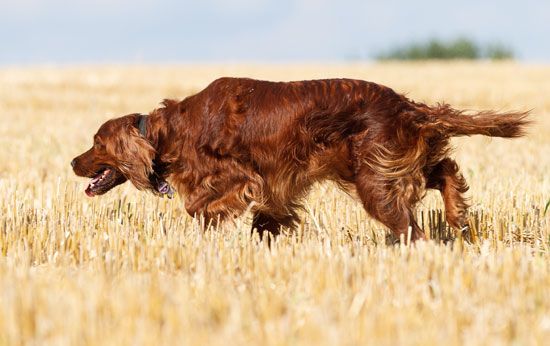
Spaniel breeds, such as springers and cockers, are primarily categorized as sporting dogs and frequently participate in field trials. These competitions are designed to simulate real-world hunting conditions, testing the dogs’ natural instincts and training.
In field trials, spaniels are evaluated on several key performance criteria:
- Field Performance: Judges assess the dog’s pace, range, and ability to find game.
- Handling: The dog must demonstrate immediate and consistent responsiveness to the handler’s commands.
- Manners: A spaniel is expected to stop promptly when game is flushed and remain steady at the shot, waiting for the order to retrieve or resume hunting.
- Retrieving: Performance is judged on the dog’s ability to mark fallen game, the promptness of the retrieve, and whether the dog is tender-mouthed or hard-mouthed when carrying the game.
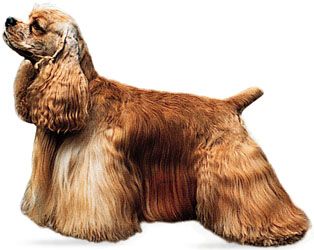
While some breeds, like the American Cocker Spaniel, have transitioned primarily into roles as pets or show dogs, others continue to excel in these rigorous working trials.123
What were spaniels originally bred for, and how has their purpose changed over time?
Spaniels were originally developed as sporting dogs used by hunters to locate and flush game from cover. These dogs, which hunt by both scent and sight, are classified as gun dogs. Their historical function involved working before the shot to find birds and flushing them into the open, as well as retrieving shot game for the hunter.14
The purpose of spaniels has evolved significantly over time, leading to a distinction between working and companion roles:
- Working Breeds: Many spaniels, such as springers and cockers, continue to be used for their original hunting purposes, often participating in field trials.
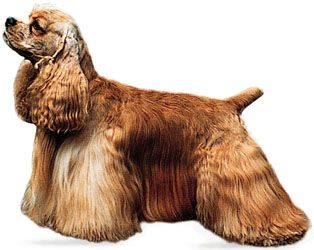
- Companion and Show Dogs: Some breeds have shifted away from hunting. For instance, the American Cocker Spaniel is now primarily kept as a pet or show dog.1
- Toy Spaniels: Certain varieties, such as the English toy spaniel, were specifically bred as companions rather than hunters. These dogs have long been valued by royalty and the aristocracy for their temperament and appearance rather than their field utility.15
What are the common physical characteristics of spaniels?
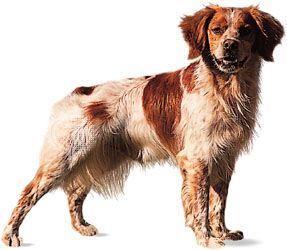
Spaniels exhibit a wide range of physical characteristics depending on their specific breed and intended function, though they generally share certain traits common to the group.
General Physical Traits
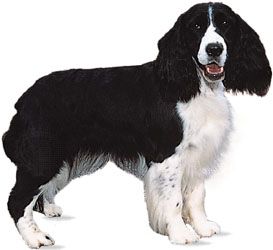
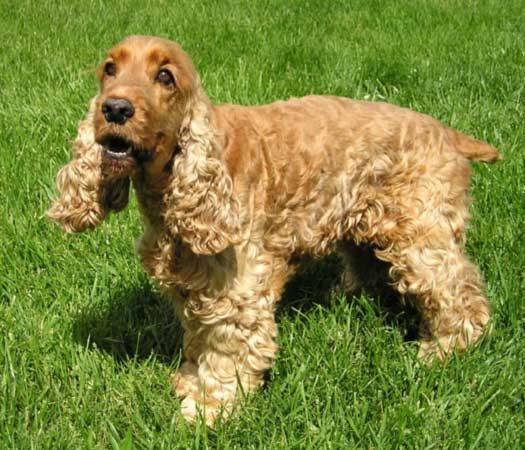
- Coat: Many spaniels possess long, soft, or wavy coats, often with thick feathering on the legs, belly, and ears. Some, like the Irish water spaniel, have distinctive curly, water-repellent coats designed for protection in cold, marshy environments.167
- Ears and Head: A hallmark of many spaniel breeds is their floppy ears. Head shapes can vary significantly, ranging from the rounded head of the American Cocker Spaniel to the massive, heavy head of the Clumber Spaniel.61
- Build: Spaniels are often categorized by size, with smaller breeds like cockers and larger breeds like springers serving different hunting roles. Their builds range from compact and sturdy to more athletic and agile frames.186
- Tail: It is common for the tails of many hunting spaniel breeds to be docked.86
Because spaniels encompass diverse types—including land, water, and toy varieties—their physical appearance is highly variable. Would you like to explore the specific physical differences between land and water spaniels in more detail?16
What are the different types of spaniel breeds?
Spaniel breeds are generally categorized by their size, function, and historical development. While they originated in Spain, most modern breeds were refined in Britain. They are traditionally distinguished as follows:1
Functional Classifications
- Sporting/Gun Dogs: These spaniels are bred to work in the field, locating and flushing game for hunters. They are further divided into:14
- Land Spaniels: Breeds such as the English Springer Spaniel, Cocker Spaniel, Clumber Spaniel, Field Spaniel, Sussex Spaniel, and Welsh Springer Spaniel.
- Water Spaniels: Breeds adapted for aquatic environments, including the American Water Spaniel and Irish Water Spaniel.
- Toy Spaniels: These breeds were developed specifically as companions rather than for hunting. Examples include the English Toy Spaniel, Cavalier King Charles Spaniel, Japanese Spaniel, and Tibetan Spaniel.195
Historically, the distinction between breeds like the springer and the cocker was based primarily on size, with the larger dogs flushing game and the smaller ones specifically targeting woodcocks.1
Sources
- spaniel — Encyclopædia Britannica
- field trial — Encyclopædia Britannica
- sporting dog — Encyclopædia Britannica
- hunting - Dogs — Encyclopædia Britannica
- English toy spaniel — Encyclopædia Britannica
- springer spaniel — Encyclopædia Britannica
- Irish water spaniel — Encyclopædia Britannica
- cocker spaniel — Encyclopædia Britannica
- dog - The breeds — Encyclopædia Britannica
Published on · 3 min read