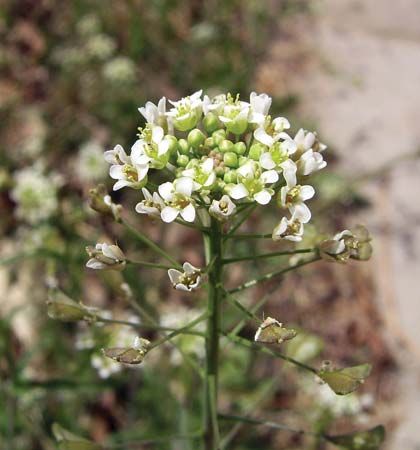
Stock
In horticulture, the term "stock plant" refers to the parent plant used for propagation. Different methods utilize these plants in distinct ways:

How do different methods of propagation, such as cuttings and grafting, utilize stock plants?
In horticulture, the term “stock plant” refers to the parent plant used for propagation. Different methods utilize these plants in distinct ways:
- Grafting and Budding: These methods involve joining parts of two different plants. The “stock” (or rootstock) is the plant that provides the root system, while the “scion” is the added piece (a branch or a single bud) that provides the desired characteristics. The stock plant is essential for its established root system, which can influence the scion’s growth, such as through dwarfing or increased vigor, and can improve disease resistance or environmental adaptability. The stock can be grown from seed or propagated asexually.12
- Cuttings: Unlike grafting, which combines two individuals, propagation by cuttings involves severing a fragment—such as a stem, leaf, or root—directly from a single stock plant. This fragment is then stimulated to regenerate missing parts, such as adventitious roots or shoots, to develop into a new, independent organism that is a genetic clone of the parent.3

How do environmental factors affect the quality and productivity of stock plants?
Environmental factors play a critical role in determining the quality and productivity of stock plants by influencing their physiological state, growth cycles, and ability to regenerate.
Key Environmental Influences
- Light and Photoperiodism: The duration of light, or photoperiodism, dictates flowering and growth cycles. Many plants rely on day-length signals to transition between active growth and dormancy. Growers manipulate these cycles using artificial illumination to control flowering seasons and maximize the production of greenhouse crops.5
- Temperature: Temperature is essential for regulating metabolic processes and dormancy. Seasonal temperature changes often trigger budbreak or the formation of resting buds. Furthermore, temperature extremes—specifically frost—pose significant risks to plant tissue. Growers manage these risks through frost control methods, such as wind machines, heaters, or irrigation, to protect sensitive crops.67
- Humidity and Water: Proper humidity is vital, particularly during propagation, to prevent desiccation. Intermittent-mist systems are frequently used to maintain moisture levels while cuttings develop roots. Conversely, withholding water and fertilizer can help “harden off” plants, increasing their resistance to environmental stress and frost.86
What are the advantages of using stock plants in commercial plant propagation?
In commercial plant propagation, utilizing stock plants—the parent plants from which material is taken—offers several strategic advantages for maintaining quality and efficiency:
- Retention of Characteristics: Vegetative propagation allows for the “unchanged perpetuation” of superior plants. Because the offspring are genetic clones of the stock plant, growers can ensure that desirable traits, such as fruit quality or ornamental features, are consistently maintained without the variation inherent in seed propagation.1
- Growth Control and Adaptability: Through grafting, the rootstock (stock plant) can be selected to influence the scion’s performance. This allows growers to induce dwarfing or invigoration, improve resistance to specific plant diseases, and adapt varieties to adverse soil or climatic conditions that the scion might not otherwise tolerate.29
- Efficiency and Speed: Using stock plants can be faster than starting from seed. It eliminates issues related to seed dormancy and often bypasses the lengthy juvenile, nonflowering stages of development. Furthermore, a small amount of scion material from a single stock plant can be used to produce hundreds of new plants within a single year.129
- Propagation of Unique Varieties: Some species, such as certain hybrid roses, can only be propagated through grafting, making the use of stock plants essential for their commercial existence.9
What is a stock plant and how is it used in horticulture?
In horticulture, the term “stock” (or rootstock) refers to the plant part that provides the root system in the process of grafting. It is important to distinguish this from the genus Matthiola, which is commonly known as “stock” and is a popular ornamental flower in the mustard family.10111
The Role of Stock in Horticulture
In grafting and budding, the stock serves as the base onto which a scion—the added piece of a different plant—is joined. The success of this union relies on the intimate association of the cambium layers of both parts, which produce callus tissue that interlocks to form a continuous connection.101
Uses and Advantages
The use of stock is a fundamental practice in commercial horticulture for several reasons:
- Growth Control: Rootstocks can be selected to influence the scion’s performance, such as inducing dwarfing or invigoration.101
- Adaptability and Resistance: Stock can help adapt varieties to adverse soil or climatic conditions and improve resistance to specific plant diseases.101
- Propagation: It allows for the efficient multiplication of unique varieties, such as hybrid roses, that cannot be propagated through other means.1
Sources
- horticulture - Grafting — Encyclopædia Britannica
- graft — Encyclopædia Britannica
- Propagation — Encyclopædia Britannica
- Vegetative reproduction — Encyclopædia Britannica
- horticulture - Layering and cutting — Encyclopædia Britannica
- horticulture - Frost control — Encyclopædia Britannica
- Plant development - Seasonal adaptations — Encyclopædia Britannica
- Agricultural technology - Photoperiodism — Encyclopædia Britannica
- horticulture - Vegetative propagation — Encyclopædia Britannica
- stock plant — Merriam-Webster
- stock — Encyclopædia Britannica
Published on · 4 min read