Shepherd’s Purse
Shepherd’s purse (Capsella bursa-pastoris) is a weedy annual herb belonging to the mustard family (Brassicaceae). Originally native to the Mediterranean…
What is shepherd’s purse?
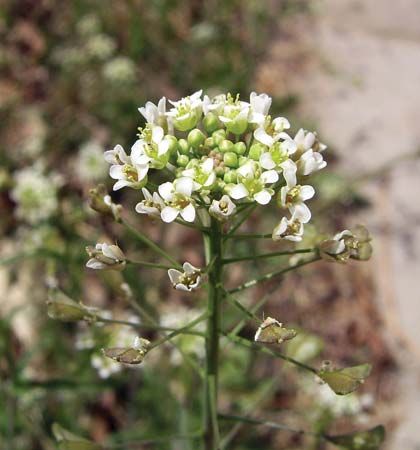
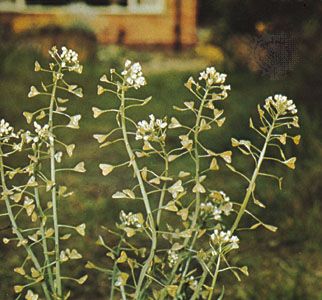
Shepherd’s purse (Capsella bursa-pastoris) is a weedy annual herb belonging to the mustard family (Brassicaceae). Originally native to the Mediterranean region, it has become naturalized across the globe and is frequently found growing along roadsides and in lawns.12
The plant is easily identified by its distinct flat, heart-shaped green fruits that grow along its stalks. It typically reaches up to 45 cm (18 inches) in height and features a basal rosette of deeply cut leaves. During the spring, it produces terminal clusters of small, white, four-petaled flowers, accompanied by arrow-shaped leaves that clasp the stem below the seeds.1
What other plants belong to the mustard family?
The mustard family (Brassicaceae) is a large and diverse group comprising approximately 350 genera and over 4,100 species. These plants are widely recognized for their four-petaled, cross-shaped flowers, which is why they are often referred to as “crucifers” or “cruciferous” plants.34
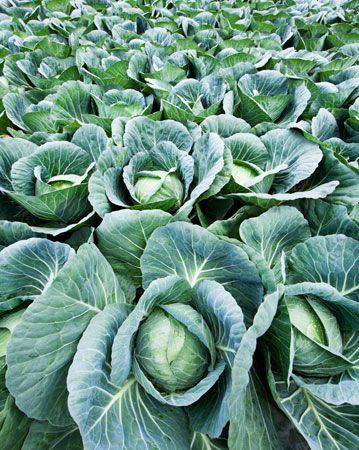
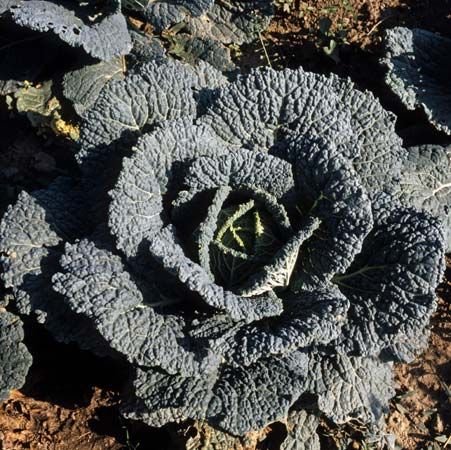
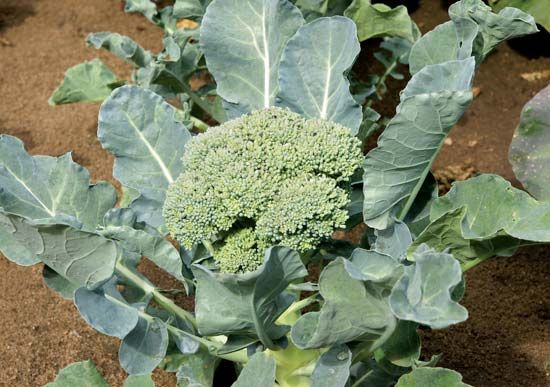
Many members of this family are economically significant, particularly those in the genus Brassica, which have been extensively domesticated for human consumption.53
Common Food Crops
- Vegetables: broccoli, cabbage, cauliflower, Brussels sprouts, kale, kohlrabi, turnip, rutabaga, bok choy, and napa cabbage.53
- Condiments and Greens: horseradish, radish, arugula, watercress, brown mustard, and white mustard.53
Ornamental Species
- basket-of-gold, candytuft, dame’s rocket, honesty, rock cress, stock, stonecress, sweet alyssum, and wallflower.54
Other notable members include the model organism Arabidopsis thaliana, which is frequently used in scientific research.4
Why is it called shepherd’s purse?
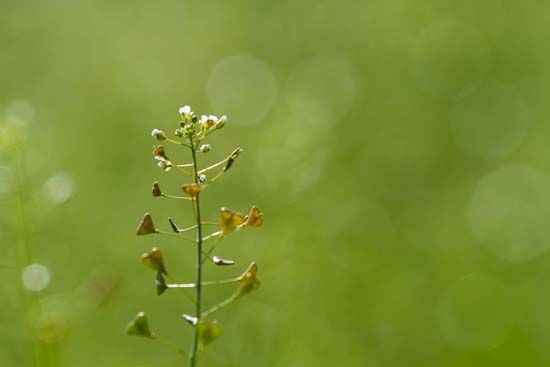
The name “shepherd’s purse” is derived from the plant’s distinctive, flat, heart-shaped green fruits that grow along its stalks. These seed pods bear a striking resemblance to the small, leather pouches or “purses” that shepherds historically carried to hold their belongings.17
This visual association is also reflected in the plant’s scientific name, Capsella bursa-pastoris; the genus Capsella is Latin for “little box,” while the specific epithet bursa-pastoris translates directly to “shepherd’s purse.” Historically, the plant has also been referred to as a “shepherd’s bag,” a term dating back to Middle English.2
How do invasive plants like this spread globally?
Invasive plants spread globally through a combination of natural dispersal mechanisms and, most significantly, human activities. While plants have historically migrated via wind, water, and animals, the rapid global distribution of nonnative species over the last two centuries is primarily driven by human commerce and travel.18
Human-Mediated Spread
- Deliberate Introduction: Many invasive plants were intentionally brought to new regions for use as ornamental plants, food crops, or for purposes like erosion control. Species such as kudzu were introduced to North America for these reasons before escaping cultivation and becoming aggressive invaders.98
- Inadvertent Transport: Plants and their seeds are frequently moved as “stowaways” in international trade. They may arrive as contaminants in agricultural products like fodder, or be transported in soil, shipping pallets, and other materials.108
- Environmental Modification: Human transformation of landscapes into urban and agricultural environments creates disturbed habitats that are often ideal for invasive species to establish themselves.91
Factors Facilitating Success
Once introduced, these plants may become invasive if they possess a competitive advantage, such as rapid growth or a lack of natural predators in the new environment. Furthermore, climate change and rising atmospheric carbon dioxide levels can enhance the reproductive success of certain botanical invaders, allowing them to colonize habitats that were previously unsuitable.110
Sources
- shepherd’s purse — Encyclopædia Britannica
- shepherd's purse — Merriam-Webster
- list of economically important members of the family Brassicaceae — Encyclopædia Britannica
- Brassicales - Brassicaceae , Capparaceae, and Cleomaceae — Encyclopædia Britannica
- brassica — Encyclopædia Britannica
- Brassicaceae — Encyclopædia Britannica
- shepherd's bag — Merriam-Webster
- invasive species - Solutions — Encyclopædia Britannica
- invasive species - A global problem — Encyclopædia Britannica
- invasive species — Encyclopædia Britannica
- Plant - Dispersal and colonization — Encyclopædia Britannica
Published on · 3 min read