Stonecress
Stonecress refers to any of the approximately 65 species of plants belonging to the genus Aethionema, which is part of the mustard family (Brassicaceae).
What is stonecress?
Stonecress refers to any of the approximately 65 species of plants belonging to the genus Aethionema, which is part of the mustard family (Brassicaceae).12
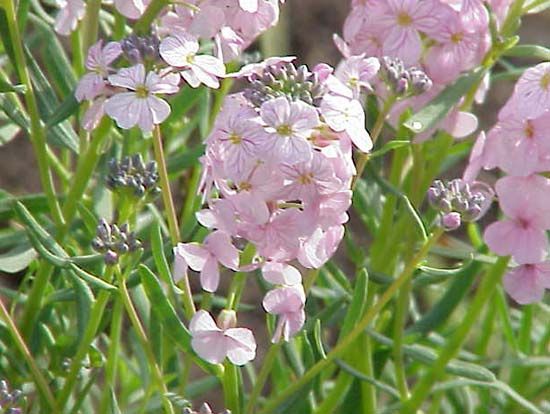
These plants are typically low-growing, sprawling herbs native to the dry, chalky soils of the Mediterranean region, though some species are found in eastern Asia. They are popular in horticulture, often cultivated as rock garden or border plants due to their narrow leaves and clusters of four-petaled flowers, which appear in shades of pink, lilac, or white.1
Common varieties include:
- Persian stonecress (Aethionema grandiflorum): A perennial known for its rosy-lavender blooms.1
- Lebanon stonecress (A. cordifolium): A smaller plant featuring rose-pink flowers.1
- Fragrant Persian stonecress (A. schistosum): Valued for its scented pink flowers.1
What other plants belong to the mustard family?
The mustard family (Brassicaceae) is a vast group comprising approximately 350 to 338 genera and over 3,700 to 4,100 species. These plants, often called “crucifers” due to their cross-shaped flowers, are widely recognized for their economic importance as food crops and their popularity as ornamentals.34
Economically Important Food Crops
Many members of the genus Brassica have been domesticated for human consumption. Common food crops include:34
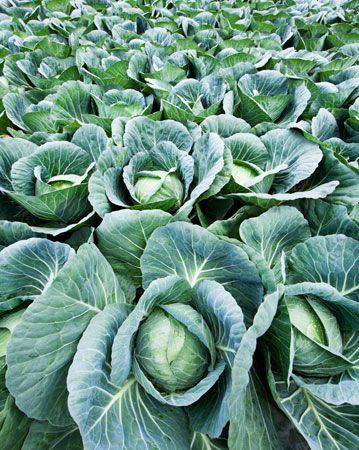
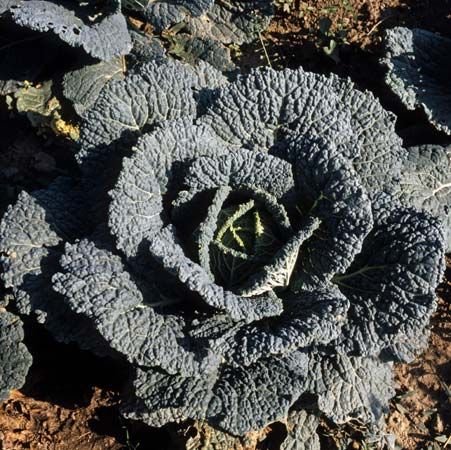
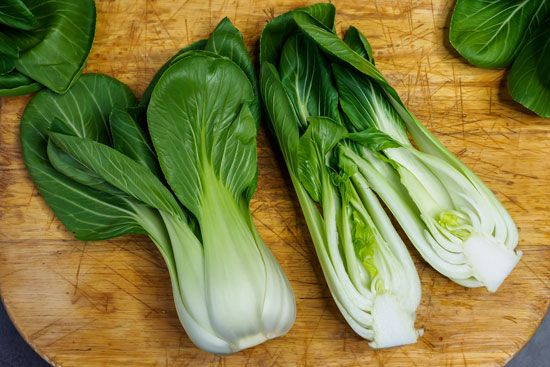
- Vegetables: Bok choy, broccoli, Brussels sprouts, cabbage, cauliflower, collard, kale, kohlrabi, napa cabbage, rutabaga, and turnip.34
- Condiments and Greens: Arugula, brown mustard, horseradish, maca, peppergrass, radish, rape, wasabi, watercress, and white mustard.34
Ornamental Species
Beyond agriculture, several species are cultivated for their showy flowers:
- Basket-of-gold, candytuft, dame’s rocket, honesty, rock cress, stock, stonecress, sweet alyssum, and wallflower.34
What are the best conditions for a rock garden?
To create an effective rock garden, the design should mimic the appearance of a natural rocky hillside or slope. Key considerations for optimal conditions include:
Structural Design and Materials
- Rock Placement: Rocks should be laid on their larger edges to replicate natural strata. Using a few large boulders is generally more aesthetically pleasing than using many small rocks.6
- Material Selection: Sandstone and limestone are the preferred materials. Sandstone provides a restful, natural look, while limestone is specifically beneficial for plants like dianthus. Granite is typically avoided because it weathers too slowly to be suitable.6
Environmental Factors
- Sun and Shade: A well-designed garden incorporates various exposures. You should plan for sun-tolerant species, such as rockroses, while reserving cool, north-facing aspects for shade-tolerant plants like primulas.6
- Drainage: Proper water management is critical. Roots require both water and air to access necessary oxygen; poor drainage can lead to plant “drowning.” In areas with poor soil workability, you can improve conditions by installing sumps—holes filled with stones to facilitate the drainage of excess water.7
How do perennial plants differ from annuals?
The primary difference between annuals and perennials lies in their life cycle and longevity.
- Annuals: These plants complete their entire life cycle—germinating, flowering, and producing seeds—within a single growing season. Once they set seed, the plant dies, and the only part that survives to the next year is the dormant seed. Common examples include marigolds, zinnias, and many cereal grains.8910
- Perennials: These plants persist for several years. While woody perennials like trees and shrubs maintain permanent structures, herbaceous perennials often have aboveground growth that dies back in autumn. However, their root systems or specialized structures—such as bulbs, rhizomes, or tubers—remain alive underground to send up new growth the following season. Examples include dahlias, chrysanthemums, and asparagus.81110
Notably, some plants, such as tomatoes, are perennials in their native tropical climates but are frequently grown as annuals in temperate zones because they cannot survive the cold.912
Sources
- stonecress — Encyclopædia Britannica
- stonecress — Merriam-Webster
- list of economically important members of the family Brassicaceae — Encyclopædia Britannica
- Brassicaceae — Encyclopædia Britannica
- brassica — Encyclopædia Britannica
- gardening - Rock gardens — Encyclopædia Britannica
- gardening - Drainage — Encyclopædia Britannica
- Is That Plant 'Perennial' or 'Annual'? — Merriam-Webster
- Annual — Encyclopædia Britannica
- Perennial — Encyclopædia Britannica
- life span - Perennials — Encyclopædia Britannica
- gardening - Herbaceous plants — Encyclopædia Britannica
Published on · 3 min read