Strait of Magellan
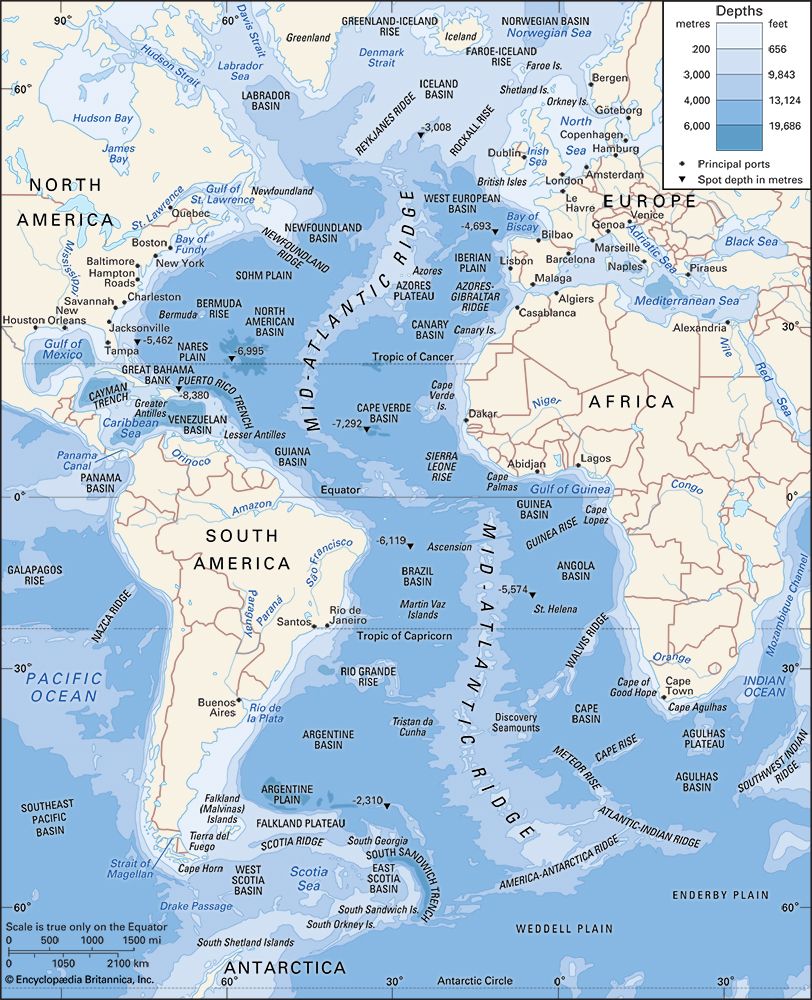
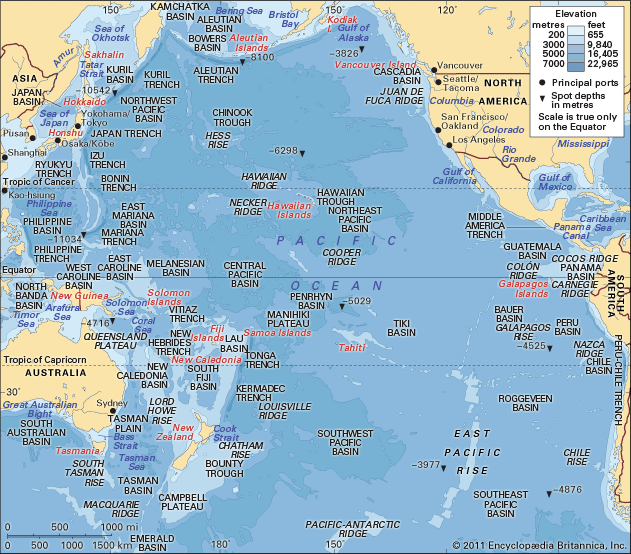
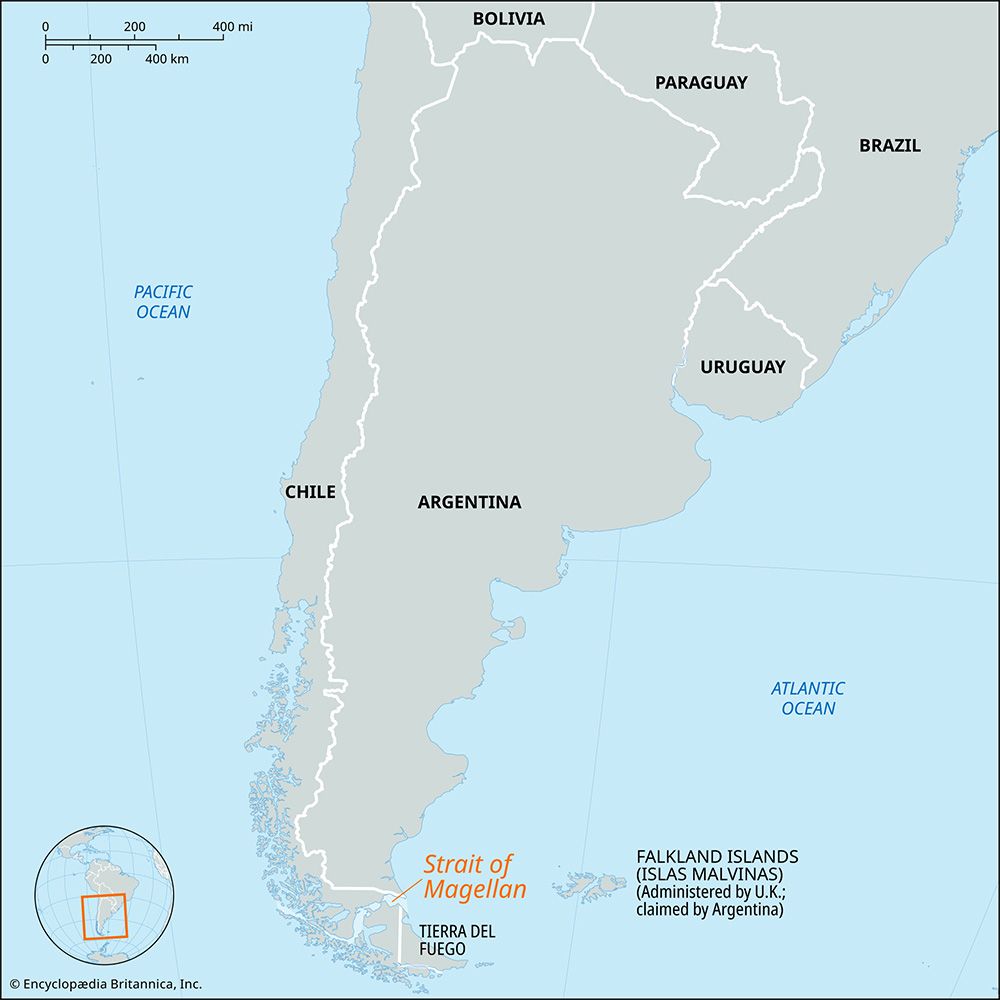
The Strait of Magellan serves as a natural channel connecting the Atlantic and Pacific oceans. Unlike many of the world's most vital maritime "choke points,"…
How does the Strait of Magellan compare to other important straits around the world?
The Strait of Magellan serves as a natural channel connecting the Atlantic and Pacific oceans. Unlike many of the world’s most vital maritime “choke points,” such as the Strait of Malacca or the Strait of Hormuz, which remain essential to the global economy for trade and energy transport, the significance of the Strait of Magellan as a primary shipping route declined significantly following the 1914 completion of the Panama Canal.
While straits like the Bosporus or Strait of Gibraltar continue to function as critical geopolitical and commercial gateways, the Strait of Magellan is characterized by its remote, tortuous course and challenging climate. Historically, it was a landmark discovery by Ferdinand Magellan that enabled early global circumnavigation, but today it primarily serves regional interests, such as shipping for Chile, rather than acting as a central artery for international commerce.
How do modern ships navigate the challenging conditions of the Strait of Magellan?
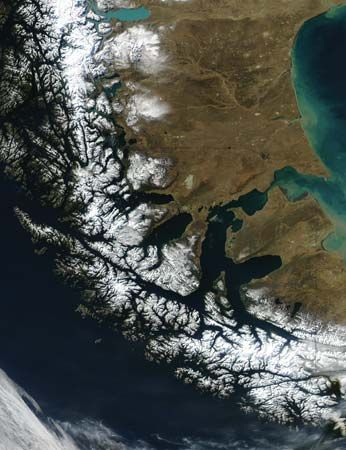
The Strait of Magellan is a 350-mile-long channel characterized by a tortuous course, numerous islands, and a notoriously cold, foggy climate. While historical navigation relied on the skill of explorers like Ferdinand Magellan to traverse these perilous waters, modern maritime safety is managed through a sophisticated global framework of navigation technology.14
To mitigate the risks of collision and grounding in challenging environments, modern vessels adhere to the International Regulations for Preventing Collisions at Sea. These regulations mandate the use of standardized running lights to indicate a ship’s course and speed, as well as the use of foghorns during periods of low visibility. Furthermore, safe passage is supported by a worldwide system of lighthouses, buoys, and channel markers that help mariners avoid shallow waters and hazards. These systems, combined with modern electronic charting and communication, allow ships to navigate the strait with significantly greater precision than in the age of sail.5
How long and wide is the Strait of Magellan?
The Strait of Magellan is 350 miles (560 km) long and varies in width from 2 to 20 miles (3 to 32 km).12
Who was Ferdinand Magellan, and how did the strait come to be named after him?
Ferdinand Magellan (1480–1521) was a Portuguese navigator and explorer who conducted his most famous expedition under the flag of Spain. Driven by the goal of finding a westward route to the Spice Islands to avoid Portuguese-controlled waters, he led an expedition that ultimately achieved the first circumnavigation of the Earth.73
In 1520, while searching for a passage through the South American mainland, Magellan discovered the channel that links the Atlantic and Pacific oceans. He entered this passage on October 21, 1520, after rounding the Cape of the Virgins. Because he was the first European to successfully navigate this complex and tortuous route, the channel was named the Strait of Magellan in his honor.189
Sources
- Strait of Magellan — Encyclopædia Britannica
- List of Important Straits — Encyclopædia Britannica
- Ferdinand Magellan: Top Questions — Encyclopædia Britannica
- Ferdinand Magellan - Legacy — Encyclopædia Britannica
- navigation - Other aids to navigation — Encyclopædia Britannica
- Magellan, Strait of — Merriam-Webster
- Ferdinand Magellan — Encyclopædia Britannica
- Ferdinand Magellan - Allegiance to Spain of Ferdinand Magellan — Encyclopædia Britannica
- Ferdinand Magellan - Discovery of the Strait of Magellan — Encyclopædia Britannica
Published on · 2 min read