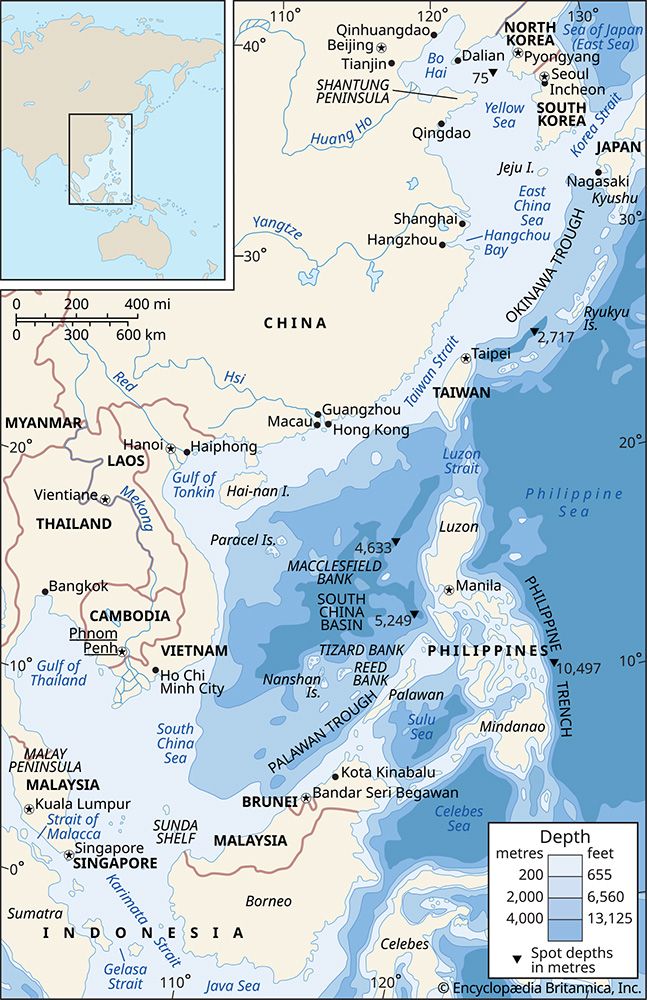
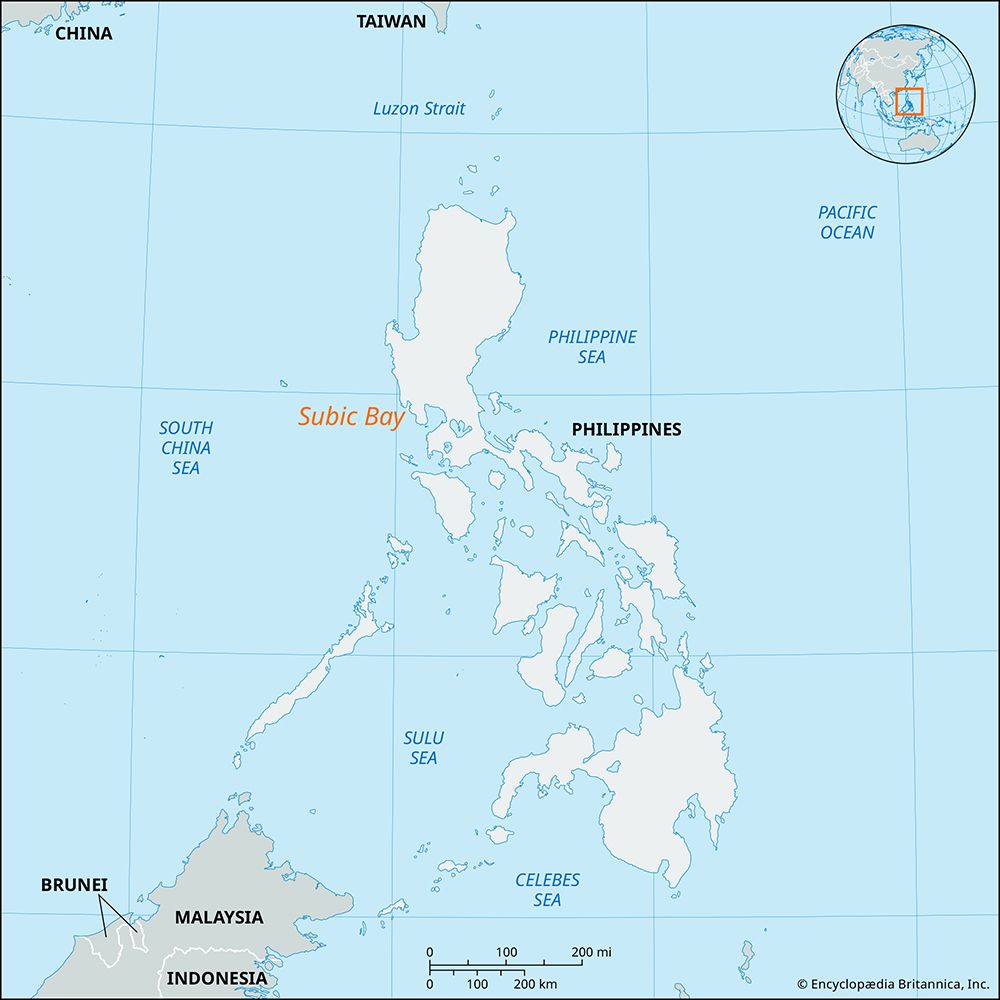
Subic Bay
The conversion of the former U.S. naval base into the Subic Bay Freeport Zone in 1992 served as a vital catalyst for regional development following the…
How has the conversion of the former naval base into the Subic Bay Freeport Zone impacted local communities?
The conversion of the former U.S. naval base into the Subic Bay Freeport Zone in 1992 served as a vital catalyst for regional development following the departure of the American military.12
This transition transformed the area into a special economic zone, which has significantly bolstered the local economy through several key initiatives:
- Industrial Growth: The establishment of manufacturing plants has created new employment opportunities and industrial capacity in the region.12
- Infrastructure Development: The conversion of the former air base into an international airport and the development of port facilities have improved regional connectivity.12
- Tourism: The area has evolved into a major tourist center, with coastal developments and resorts attracting numerous visitors, which supports the local service sector.12
These efforts have contributed to sustained economic growth for nearby communities, such as the city of Olongapo, which had previously relied heavily on the presence of the naval station.2
How did the closure of the U.S. Naval Base in 1992 affect Subic Bay’s economy and development?
The closure of the U.S. Naval Base in 1992 marked a pivotal transition for the region. While the base had previously driven the rapid growth of Olongapo and its service sector, its turnover to the Philippines necessitated a shift in economic strategy.12
To mitigate the loss of the military installation, the area was redeveloped into a free port and a special economic zone. This redevelopment included several key initiatives that spurred regional economic growth:
- Industrialization: The establishment of manufacturing plants created new employment opportunities and industrial capacity.12
- Infrastructure: The former air base was converted into an international airport, and port facilities were modernized to improve connectivity.12
- Tourism: The region successfully pivoted to become a major tourist center, leveraging its coastal areas to attract visitors to resorts and beaches.12
These efforts effectively replaced the base’s military-centric economy with a diversified commercial model, ensuring the continued development of the Subic Bay area.12
What was the importance of Subic Bay Naval Base during World War II and the Cold War?
Subic Bay Naval Base served as a critical strategic asset for the United States throughout the 20th century. During World War II, the base was a site of significant conflict; it was captured by Japanese forces in 1942 and subsequently retaken by Allied forces in 1944, suffering heavy damage in the process.1
During the Cold War, the base’s location on the South China Sea made it an essential hub for American military operations in Southeast Asia. Its primary importance lay in its role as a major supply and maintenance center, which proved vital for supporting U.S. naval activities throughout the region, most notably during the Vietnam War.1
As the largest U.S. naval installation in the Philippines, the base functioned as a cornerstone of American power projection until its turnover to the Philippine government in 1992.1
How has Subic Bay been portrayed in Filipino literature, art, or popular culture?
Sorry, the Britannica knowledge base does not contain this information.
Sources
- Subic Bay — Encyclopædia Britannica
- Olongapo — Encyclopædia Britannica
Published on · 2 min read