Tabby
A tabby is a type of dark-striped coat pattern found in both wild and domestic cats. While it is a recognized variety in purebreds and common in…
What is tabby?
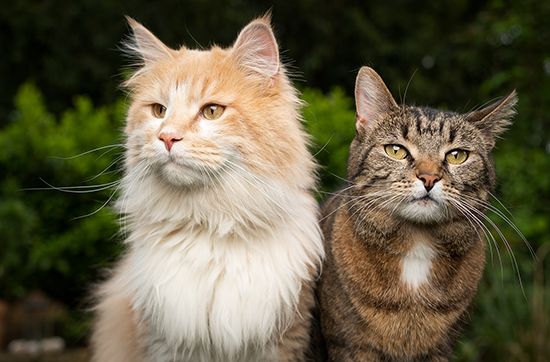
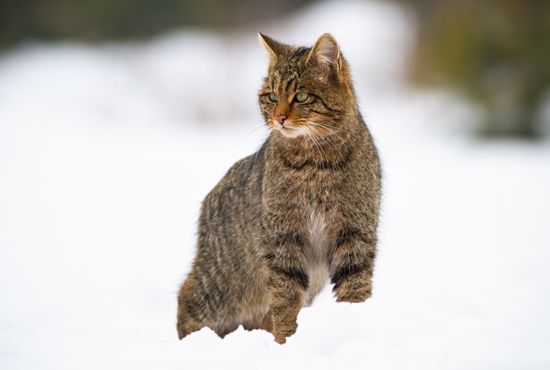
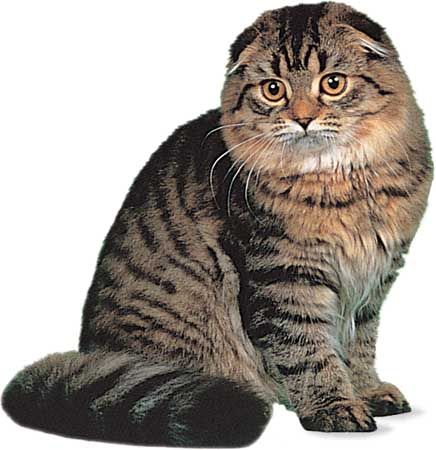
A tabby is a type of dark-striped coat pattern found in both wild and domestic cats. While it is a recognized variety in purebreds and common in mixed-ancestry cats, all domestic cats are genetically tabbies, as this pattern is inherited from their wildcat ancestors. The expression of these genes can be masked by other factors, such as the dominant white gene.12
There are four primary types of tabby patterns:
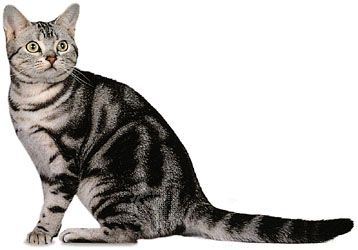
- Classic (blotched): Features wide stripes and swirls, often described as “bull’s-eyes,” on the sides.2
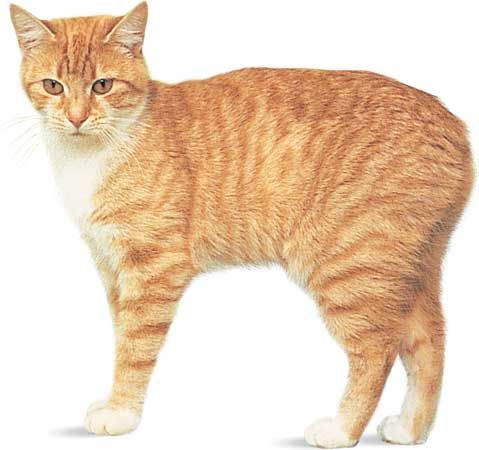
- Mackerel: Characterized by thin stripes that extend down the sides, resembling fish bones.2
- Ticked (agouti): Each hair strand features alternating bands of dark and light color.2
- Spotted: Displays dark spots on a lighter background, typically accompanied by striping on the face, legs, and tail.2
The pattern dates back to cats in ancient Egypt and remains one of the most common coat variations seen today.1
What are the four main types of tabby patterns?
All domestic cats are genetically tabby, as they inherit this pattern from their wildcat ancestors. While modifying genes can sometimes mask these patterns, every cat possesses the genetic potential for one or more of the following four main types:2
- Classic (blotched) tabby: Features wide stripes and swirls, often described as “bull’s-eyes,” on the sides.2
- Mackerel tabby: Characterized by thinner stripes that extend down the sides, resembling the bones of a fish.2
- Ticked tabby (agouti): Each individual hair strand displays alternating bands of dark and light color.2
- Spotted: Displays dark spots on a lighter background, typically accompanied by striping on the face, legs, and tail.2
Why do all domestic cats carry the genetic code for tabby markings?
All domestic cats carry the genetic code for tabby markings because they inherited this pattern directly from their wildcat ancestors. While selective breeding and mutation have introduced a wide variety of coat colors and patterns over time, the underlying genetic blueprint for the tabby pattern remains present in every domestic cat.2
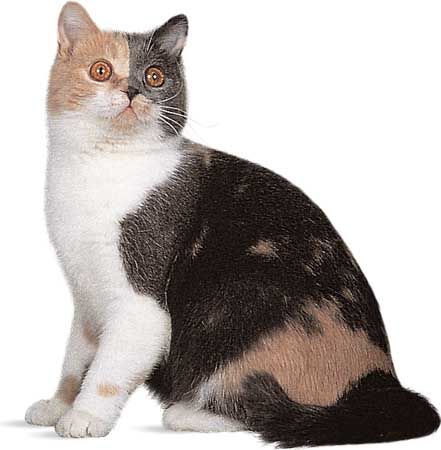
The reason this pattern is not always visible is due to the influence of other modifying genes. For instance, the dominant white gene can mask the expression of the tabby pattern entirely, meaning a cat may appear solid white while still carrying the hidden genetic instructions for tabby stripes or spots. Similarly, the inheritance of two copies of the recessive “nonagouti” gene results in a solid-colored coat, which obscures the tabby markings that are still encoded in the cat’s DNA. These hidden genes can be passed down to subsequent generations, ensuring the ancestral pattern persists within the feline population.2
How does the nonagouti gene affect a cat’s coat color?
The nonagouti gene is a recessive gene that dictates whether a cat will display a solid-colored coat. When a cat inherits two copies of this gene, the expression of its underlying tabby pattern is suppressed, resulting in a “solid” or “self-colored” appearance.2
While the cat appears to be a single, uniform color, the genetic instructions for its ancestral tabby markings remain present in its DNA and can be passed on to future generations. This process is distinct from other factors like mutation, which generates the variety of colors seen in cats, or the dominant white gene, which masks all other patterns and colors entirely.2
Sources
- tabby — Encyclopædia Britannica
- cat - Colors and patterns — Encyclopædia Britannica
- longhair — Encyclopædia Britannica
Published on · 3 min read