Domestic Shorthair
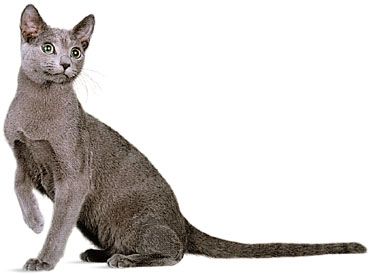
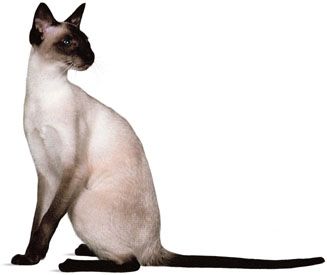
The domestic shorthair is not a specific breed but is instead a term used to describe a common, or "alley," cat of unknown pedigree. While they may sometimes…
How does the domestic shorthair differ from purebred cat breeds?
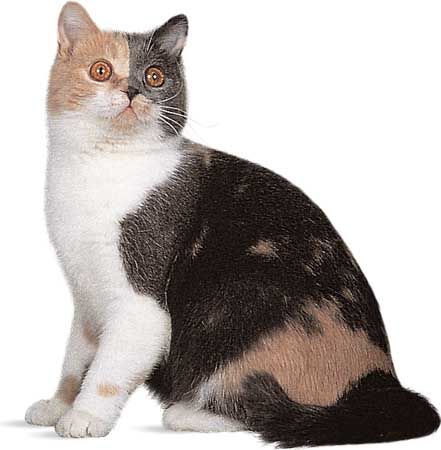
The domestic shorthair is not a specific breed but is instead a term used to describe a common, or “alley,” cat of unknown pedigree. While they may sometimes resemble purebred cats, they are not purebred animals.12
The primary differences between a domestic shorthair and a purebred cat include:
- Pedigree and Breeding: Purebred cats are pedigreed and have been carefully bred to conform to a specific set of appearance standards established by breeders and cat associations. In contrast, the domestic shorthair is a random-bred cat, often representing a combination of various breeds.23
- Consistency: Because purebreds are bred to meet written breed standards, they exhibit consistent physical traits, such as specific body shapes, coat textures, and colors. Domestic shorthairs, being a mix of many lineages, can vary significantly in their build, coat, and overall appearance.23
What are the typical coat colors and patterns found in domestic shorthair cats?
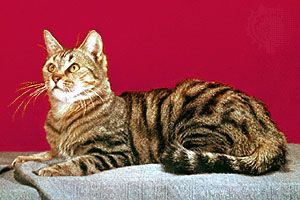
Domestic shorthair cats, being a diverse group of random-bred cats, exhibit a wide array of coat colors and patterns. While they are not restricted to specific breed standards, they can display any of the various colors and patterns found in the broader feline population.52
Common Patterns
All domestic cats possess the genetic potential for tabby markings, which include:
- Classic (blotched): Features wide stripes and swirls, often described as bull’s-eyes on the sides.5
- Mackerel: Characterized by thin stripes that extend down the sides, resembling fish bones.5
- Ticked (agouti): Each individual hair strand has alternating dark and light bands.5
- Spotted: Dark spots appear on a lighter background, with tabby striping on the face, legs, and tail.5
Other Notable Patterns and Factors
- Solid: Cats with a uniform color, resulting from the recessive nonagouti gene.5
- Bicolor and Tricolor: Bicolor cats feature white patches alongside other colors (such as the tuxedo pattern), while tricolor cats, like the calico, display patches of three colors.5
- Colorpoint: This pattern distributes color only to the cooler areas of the body, such as the face, ears, feet, and tail.5
- White Spotting: A dominant gene that creates variable patches of white.5
- Dilution: A recessive gene that lightens coat colors, such as turning black to gray or red to cream.5
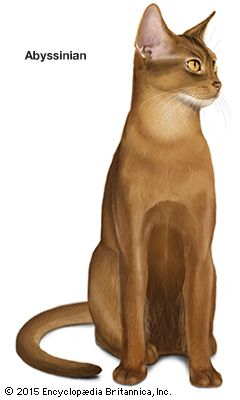
How do domestic shorthair cats compare to domestic longhair cats?
The primary distinction between domestic shorthair and domestic longhair cats lies in the length and texture of their coats, a trait determined by genetics. Long hair in cats is a recessive trait, meaning a cat must inherit the gene from both parents to express it.7
Key Differences
- Coat Characteristics: The longhair is defined by a long, soft, flowing coat that often forms a heavy ruff around the neck. In contrast, the domestic shorthair possesses a short coat that can appear in a wide variety of colors and patterns.82
- Grooming Needs: Because of their dense, long fur, longhaired cats generally require more intensive grooming to prevent matting. While some shorthaired cats have extremely short hair that requires minimal maintenance, others with thicker undercoats also require regular grooming to stay healthy.9
- Temperament: While individual personalities vary, longhair cats are sometimes described as more languorous compared to their shorthaired counterparts. However, both types are noted for their playfulness, affection, and ability to defend themselves.8
- Physical Build: Purebred longhairs, such as the Persian, often feature a cobby, stocky body with a broad, round head. Domestic shorthairs are typically sturdily built, though as random-bred cats, their physical appearance can vary significantly.82
What makes domestic shorthair cats popular pets, and how do they compare to other cat breeds in terms of adoption rates?
The term “domestic shorthair” refers to a common, non-pedigreed cat—often called an “alley cat”—that represents a diverse combination of breeds rather than a single purebred standard. Because these cats are not bred to conform to specific show standards, their physical appearance, including build and coat, can vary significantly.21
Regarding your question about their popularity and adoption rates, the provided search results do not contain data comparing the adoption rates of domestic shorthair cats to other specific breeds. While the domestic shorthair is a widely recognized and common type of domestic cat, the available information focuses on their classification as non-pedigreed animals and their distinction from purebred shorthair breeds like the American Shorthair or Siamese.21
Sources
- domestic shorthair — Merriam-Webster
- domestic shorthair — Encyclopædia Britannica
- cat - Breed origins — Encyclopædia Britannica
- cat - List of selected shorthair breeds — Encyclopædia Britannica
- cat - Colors and patterns — Encyclopædia Britannica
- Why are orange cats more likely to be male? — Encyclopædia Britannica
- longhair — Encyclopædia Britannica
- cats as pets - Shorthaired cats — Encyclopædia Britannica
- cat - Dominant and recessive genes — Encyclopædia Britannica
- Siamese — Encyclopædia Britannica
Published on · 4 min read