Lion
Lions are unique among cats for their social structure, living in groups called prides. A pride typically consists of several generations of related…
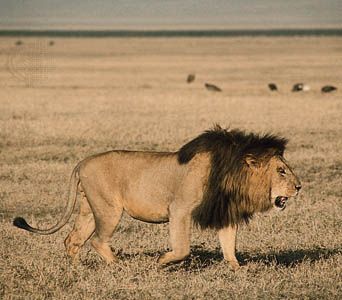
How do lions live and hunt in social groups called prides?
Lions are unique among cats for their social structure, living in groups called prides. A pride typically consists of several generations of related lionesses, a few breeding males, and their cubs, averaging about 15 members.12
Social Life and Territory
Prides maintain well-defined territories, which they defend and proclaim through roaring and scent marking. Roaring serves as a vital tool for social bonding, helping scattered members locate one another and regroup. Females often remain in their natal pride, while males are typically expelled around age three to become nomads until they are strong enough to challenge for a new pride.123
Hunting Strategies
While both sexes are capable hunters, lionesses in open savannas perform most of the hunting. They often hunt cooperatively, encircling herds or approaching from opposite directions to trigger a panic. Despite their strength, many hunts fail because lions tire quickly and do not account for wind direction. They primarily target medium- to large-sized hoofed animals, though they will also scavenge or steal kills from other predators.4
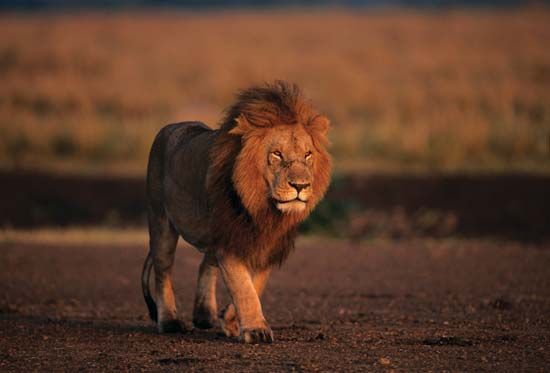
How do lions communicate with each other and mark their territory?
Lions utilize both vocalizations and scent to communicate and establish their territorial behaviour.
Vocal Communication
The most iconic form of communication is the roar, which serves multiple purposes:
- Territorial Defense: Roaring allows lions to proclaim their domain and assert dominance, signaling their presence to deter rival males from encroaching on their territory.21
- Social Coordination: Because pride members often spend the day in scattered groups, roaring helps them locate one another and regroup for hunting or sharing meals.21
- Social Bonding: This vocalization strengthens bonds within the pride, which is essential for their collective survival.2
Lions typically roar in the evening before a night of hunting and again at dawn.21
Scent Marking
Lions also use scent marking to define their boundaries:
- Urine: Males frequently urinate on bushes, trees, or the ground to leave a pungent scent that signals their presence.1
- Other Methods: Defecation and rubbing against vegetation are additional ways lions leave distinct scent markers throughout their territory.1
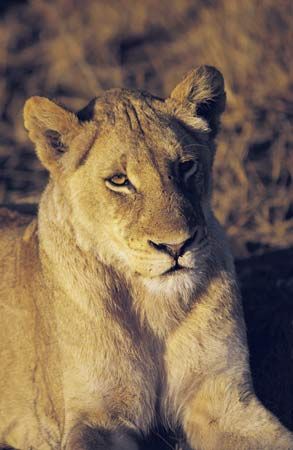
What is the average lifespan of a lion in the wild compared to in captivity?
The lifespan of a lion differs significantly depending on whether it lives in the wild or in captivity:
- In the wild: Lions rarely live more than 8 to 10 years. Their relatively short lifespan is primarily due to conflicts with humans, attacks by other lions, and injuries sustained from prey animals, such as kicks or gorings.4
- In captivity: Lions can live for 25 years or more, as they are protected from the environmental pressures and physical dangers found in their natural habitats.4
In the wild, high mortality rates are common, particularly among cubs, though survival prospects improve significantly once a lion reaches two years of age.4
What are some of the main prey animals that lions hunt, and how do they catch them?
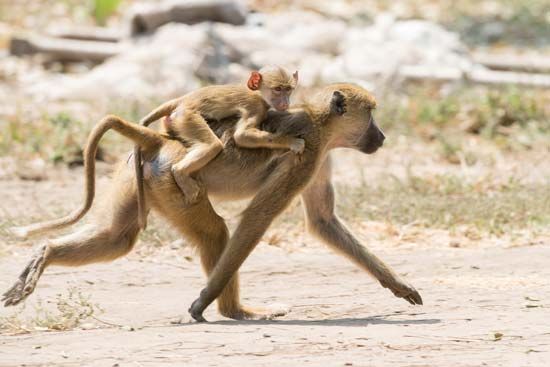
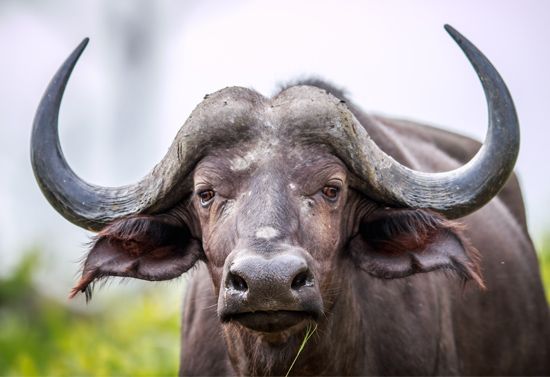
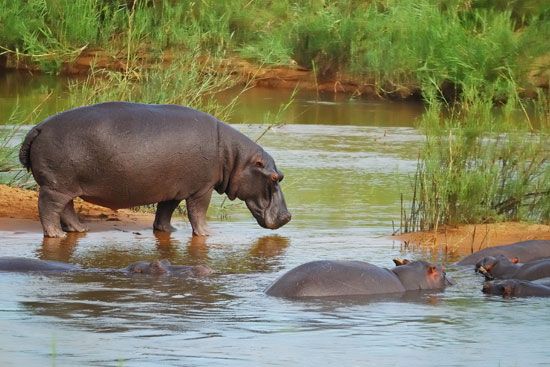
Lions are versatile predators that consume a wide variety of animals, ranging from small rodents and baboons to large Cape buffalo and hippopotamuses. However, they predominantly hunt medium- to large-sized hoofed animals, such as wildebeests, zebras, and various antelopes. While they may target elephants or giraffes, they generally only do so if the individual is young or sick.36
Lions typically hunt by stalking prey from nearby cover before launching a short, rapid rush. Once they leap onto their target, they lunge at the neck and bite until the animal is strangled. Because lions tire quickly, many hunts fail. To increase their success, they sometimes hunt in groups, encircling herds or approaching from opposite directions to create panic. Additionally, lions are opportunistic feeders that will scavenge carrion or steal fresh kills from other predators like hyenas, cheetahs, or wild dogs.36
Sources
- lion - Prides — Encyclopædia Britannica
- Why do lions roar? — Encyclopædia Britannica
- lion - Hunting — Encyclopædia Britannica
- lion - Reproduction and life cycle — Encyclopædia Britannica
- lion - Conservation status — Encyclopædia Britannica
- 9 of the World’s Deadliest Mammals - Lions ( Panthera leo ) — Encyclopædia Britannica
Published on · 3 min read