Tarragon
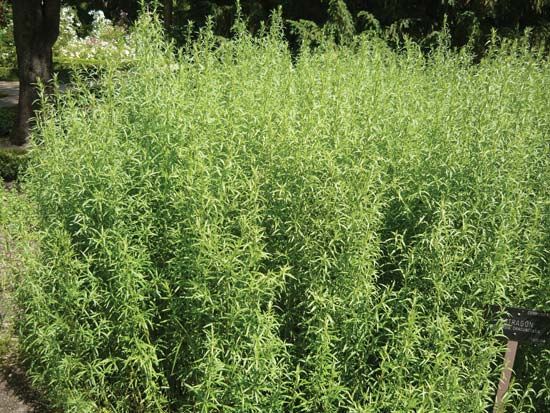
Tarragon is a distinctive herb prized for its warm, bittersweet flavor, which is frequently compared to anise, licorice, and basil. Unlike many other common…
How does tarragon compare to other herbs in terms of flavor profile and culinary uses?
Tarragon is a distinctive herb prized for its warm, bittersweet flavor, which is frequently compared to anise, licorice, and basil. Unlike many other common culinary herbs, its unique profile is driven by high levels of the compound methyl chavicol, particularly in the preferred French variety.
In the kitchen, tarragon is highly versatile, often used to add tang and piquancy to:
- Proteins: Especially chicken and fish.
- Accompaniments: Sauces, omelets, cheeses, and vegetable dishes.
- Condiments: It is a key ingredient in fines herbes blends, mustard, and infused vinegar.
While French tarragon is the culinary standard, the Russian variety is more bitter and lacks the signature anise notes, making it less desirable for delicate cooking. In regions where French tarragon is difficult to grow, Mexican tarragon is often used as a substitute, offering a complex flavor profile that also includes hints of mint and cinnamon.
What are some popular dishes or recipes that prominently feature tarragon?
Tarragon is a versatile herb frequently used to add tang and piquancy to a variety of dishes. Because of its distinct anise-like flavor, it is a staple in French cuisine, where it is often featured in the following ways:
- Béarnaise Sauce: Perhaps the most famous application, this classic sauce is a variation of hollandaise. It is made by emulsifying egg yolks and butter with a reduction of vinegar, wine, shallots, and fresh tarragon, making it a perfect accompaniment for steaks, burgers, salmon, and asparagus.21
- Fines Herbes: Tarragon is a key component of this traditional French seasoning blend, which typically combines fresh herbs to flavor light dishes like omelets, salads, and delicate vegetable preparations.34
- Proteins and Vegetables: Its flavor profile pairs exceptionally well with chicken, fish, and various vegetables, including tomatoes.34
- Condiments: Tarragon is commonly used to flavor mustard and is frequently steeped in vinegar to create a distinctive, aromatic condiment.34
- Other Uses: It is also a frequent addition to stews, cheeses, and pickles.34
What are the main varieties of tarragon, and how do they differ?
There are two primary varieties of tarragon cultivated for culinary use, along with a common substitute known as Mexican tarragon.
French Tarragon (Artemisia dracunculus var. sativa)
Often called “true tarragon,” this is the preferred variety for cooking. It is characterized by a sweet, licorice-like taste with subtle notes of anise and basil. Its distinct flavor comes from high concentrations of the compound methyl chavicol, which can make up to 82 percent of its essential oil. Because it does not produce seeds, it must be propagated through cuttings.
Russian Tarragon (A. dracunculus var. inodora or dracunculoides)
This variety is more robust and easier to grow, showing greater resistance to drought and neglect. However, it is significantly less flavorful than the French variety, possessing a more bitter, pungent taste that lacks the signature anise notes. The proportion of methyl chavicol in this variety is negligible, and it can be grown from seeds.
Mexican Tarragon (Tagetes lucida)
Also known as mint marigold or sweet mace, this perennial shrub is often used as a substitute in regions where French tarragon is difficult to cultivate. Its flavor profile is complex, featuring hints of tarragon, anise, mint, and cinnamon.
How is tarragon used in culinary applications, and what flavors does it impart to dishes?
Tarragon is a highly aromatic perennial herb prized in French cuisine for the tang and piquancy it imparts to a wide range of dishes. Its flavor is distinctively bittersweet, often described as having notes of anise, licorice, and basil.21
Culinary Applications
Tarragon is used to season both delicate and hearty foods, including:
- Proteins: It is a classic pairing for fish and chicken.21
- Sauces: It is a defining ingredient in Béarnaise sauce, a rich emulsion of egg yolks, butter, vinegar, and shallots.14
- Seasoning Blends: It is a key component of fines herbes, a traditional French herb blend.21
- Condiments: Fresh tarragon is frequently steeped in vinegar to create a flavorful condiment and is also used to season mustard.1
- Other Uses: It is commonly added to stews, salads, omelets, cheeses, pickles, and various vegetable dishes, particularly those featuring tomatoes.21
Sources
- tarragon — Encyclopædia Britannica
- tarragon: Top Questions — Encyclopædia Britannica
- hollandaise sauce — Encyclopædia Britannica
- A Guide to French Sauces | Béarnaise {audio:bearna01} — Merriam-Webster
Published on · 3 min read