Bells of Ireland
Bells of Ireland (Moluccella laevis) is an annual plant belonging to the mint family (Lamiaceae). Native to western Asia, it is widely cultivated as a garden…
What is Bells of Ireland?
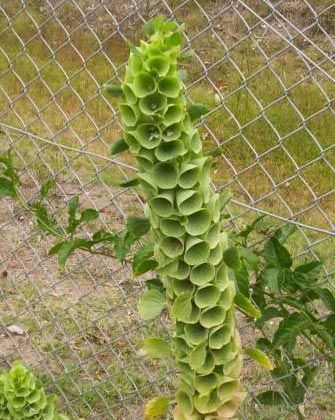
Bells of Ireland (Moluccella laevis) is an annual plant belonging to the mint family (Lamiaceae). Native to western Asia, it is widely cultivated as a garden curiosity and is a popular choice in the floral industry for both fresh and dried arrangements.1
The plant is characterized by its tall, square, and thorny stems, which can reach heights of 0.6 to 1 metre (2 to 3 feet). Its most distinctive feature is the long, leafy floral spike consisting of cuplike green calyxes that surround small, fragrant, white flowers. These flowers are tubular and two-lipped, a trait common to the mint family.1
Bells of Ireland thrives in cool climates, typically producing its inflorescences in late summer. It is a resilient plant that is generally resistant to pests and diseases, and it is known for its ability to readily reseed itself.1
What are other common plants in the mint family?
The mint family (Lamiaceae) is a diverse group of over 7,000 species, many of which are highly valued for their aromatic oils, culinary uses, and ornamental appeal. These plants typically share features such as square stems, opposite leaves, and two-lipped, tubular flowers.345
Common plants in this family include:
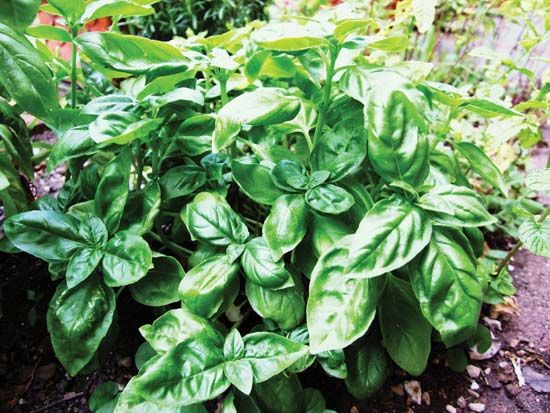
- Culinary Herbs: Basil, oregano, marjoram, thyme, rosemary, sage, and various species of mint, such as peppermint and spearmint.35
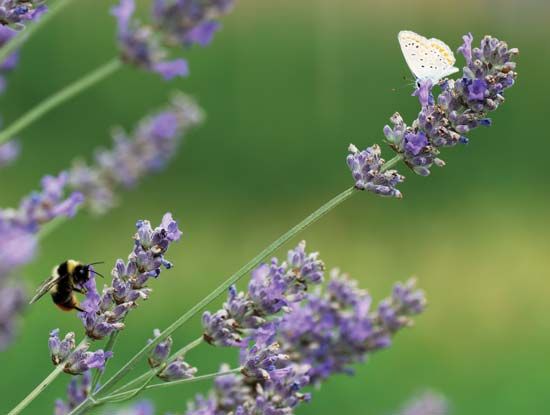
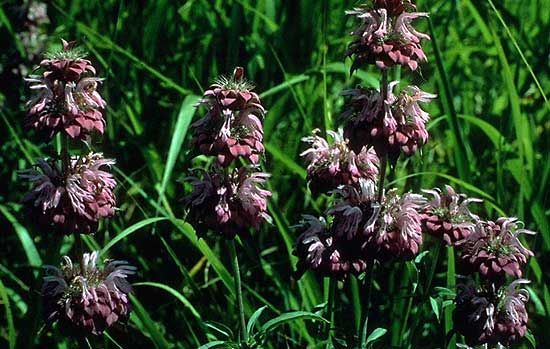
- Ornamentals: Lavender, bee balm (bergamot), coleus, lamb’s ears, and bugleweed.36
- Medicinal and Other Uses: Catnip, lemon balm, horehound, hyssop, patchouli, and chia.365
Additionally, some woody species formerly classified elsewhere, such as teak (Tectona grandis), are now recognized as members of the mint family.5
Why is this plant called Bells of Ireland if it is native to Asia?
The name “Bells of Ireland” is somewhat of a misnomer, as the plant (Moluccella laevis) is actually native to western Asia rather than Ireland.1
The common name is derived from the plant’s distinctive appearance rather than its geographic origin. The “bells” refer to the plant’s large, green, bell-shaped calyxes (fused sepals) that surround the smaller, white, fragrant flowers. While the specific reason for the association with Ireland is not definitively documented in botanical history, it is widely believed that the name was inspired by the plant’s vibrant green color, which is often associated with the Irish landscape. The plant is also known as Molucca balm or shellflower.128
How do plants use calyxes to protect their flowers?
The calyx is the outermost whorl of a flower, composed of individual units called sepals. Its primary biological function is to enclose and protect the developing flower bud before it opens.91011
Because the calyx is not directly involved in sexual reproduction, it is classified as an accessory or sterile part of the flower. Beyond its protective role during the bud stage, the calyx can serve several other functions:910
- Support: In some species, the calyx provides structural support for the flower after it has bloomed.9
- Pollinator Attraction: In flowers where true petals are absent, the sepals may become brightly colored and take on the role of attracting pollinators, as seen in Clematis and Bougainvillea.91012
- Persistence: In many plants, the calyx remains attached even as the fruit matures, providing continued protection or support, such as in persimmon, eggplant, and tomato.91012
Sources
- Bells of Ireland — Encyclopædia Britannica
- bells of Ireland — Merriam-Webster
- list of plants in the family Lamiaceae — Encyclopædia Britannica
- list of economically important members of the family Lamiaceae — Encyclopædia Britannica
- Lamiales - Main families — Encyclopædia Britannica
- Lamiales - Lamiaceae — Encyclopædia Britannica
- Lamiaceae — Encyclopædia Britannica
- Molucca balm — Merriam-Webster
- Calyx — Encyclopædia Britannica
- Sepal — Encyclopædia Britannica
- Angiosperm - General features — Encyclopædia Britannica
- Angiosperm - The calyx — Encyclopædia Britannica
Published on · 2 min read