Tennessee Walking Horse
The Tennessee Walking Horse is primarily utilized as a riding horse, valued for its gentle temperament and its signature natural gait, known as the running…
How are Tennessee Walking Horses used today in various equestrian disciplines?
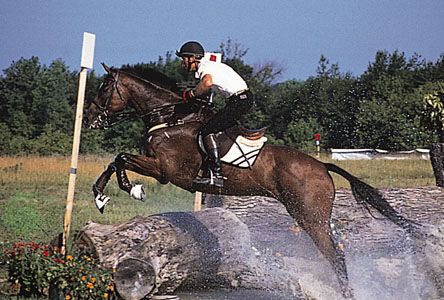
The Tennessee Walking Horse is primarily utilized as a riding horse, valued for its gentle temperament and its signature natural gait, known as the running walk. This gait is a smooth, four-beat movement where the horse’s head nods in rhythm with its hooves, providing a comfortable experience for the rider.1
While the breed is celebrated for this specific ability, the provided information does not detail its participation in specific competitive equestrian disciplines beyond its general classification as a riding horse. The breed is recognized for its sturdy build and muscular legs, which support its role as a reliable mount.1
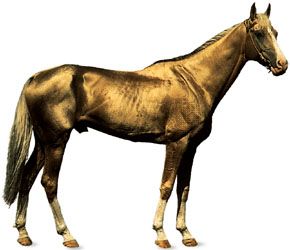
How does the Tennessee Walking Horse compare to other gaited horse breeds?
The Tennessee Walking Horse is one of several American breeds developed for specialized, smooth gaits. While all these breeds are prized for their comfortable ride, they differ significantly in their movement and physical characteristics:
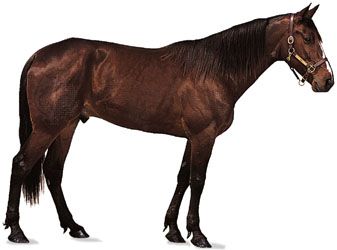
- Tennessee Walking Horse: Known for the “running walk,” a natural, four-beat gait where the horse’s head nods in rhythm with its hooves. It is a sturdy, muscular breed derived from Thoroughbred, Standardbred, Morgan, and American Saddlebred bloodlines.12
- Missouri Fox Trotting Horse: Developed for the rough terrain of the Ozarks, this breed performs the “fox-trot,” where the front legs walk while the hind legs trot. This unique action minimizes movement in the rider’s back.12
- Paso Fino: A Puerto Rican breed noted for a natural four-beat lateral gait. Unlike the running walk, this gait is executed at three distinct speeds (paso fino, paso corto, and paso largo) and is characterized by the hind foot touching the ground just before the front.13
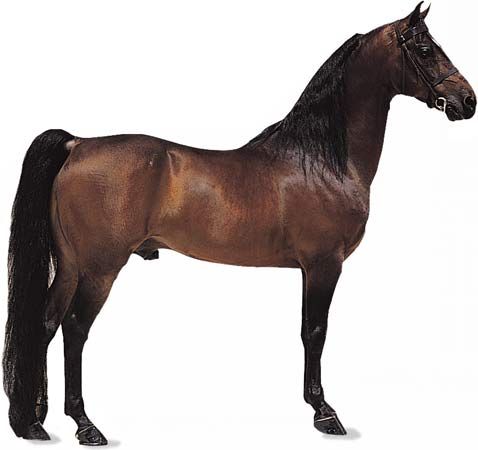
- American Saddlebred: While it can perform a walk, trot, and canter, it is also trained for the “rack”—a quick, high-stepping four-beat gait—and the “slow gait.” It is generally more refined and high-stepping than the sturdier Tennessee Walking Horse.12
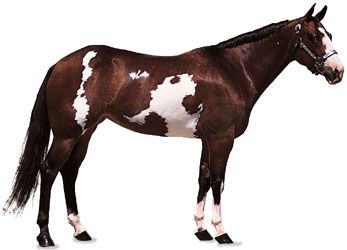
Are there any famous Tennessee Walking Horses in history or popular culture?
The provided search results do not contain information regarding specific famous Tennessee Walking Horses in history or popular culture. While the Tennessee Walking Horse is recognized as a distinct breed with a significant influence from the stallion Allan F-I, the available data focuses on the breed’s physical characteristics, origins, and gait rather than individual horses of historical or cultural note.
What colors and coat patterns are common in Tennessee Walking Horses?
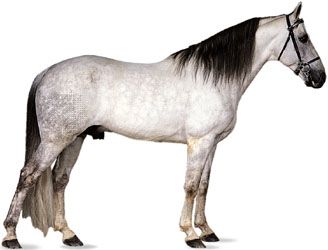
Tennessee Walking Horses exhibit a wide variety of coat colors. Common colors for the breed include black, chestnut, bay, brown, roan, gray, yellow, and pure white.5
While these colors are standard, the breed is known for its solid build and can display numerous markings. Unlike some other breeds that are defined by specific spotting patterns, the Tennessee Walking Horse is primarily categorized by its distinctive, natural “running walk” gait rather than a restricted range of coat patterns.5
Sources
- Tennessee walking horse — Encyclopædia Britannica
- horse - American breeds — Encyclopædia Britannica
- horse - Light breeds — Encyclopædia Britannica
- Tennessee walking horse — Merriam-Webster
- horse - Colour and pattern — Encyclopædia Britannica
Published on · 2 min read