The Greens
The Australian Greens have been shaped by several prominent figures who helped transition the movement from local environmental activism to a national…
Who are some of the notable leaders and prominent figures in the Australian Greens party?
The Australian Greens have been shaped by several prominent figures who helped transition the movement from local environmental activism to a national political force.
- Bob Brown: A foundational figure in the party, Brown was a leader of the Tasmanian Wilderness Society and gained national prominence for his role in the “No Dams” campaign against hydroelectric development in Tasmania. He served in the Tasmanian state legislature before becoming the first member of the Greens elected to the Australian Senate in 1996. He later served as the leader of the Australian Greens from 2005 until 2012, overseeing significant electoral gains for the party.123
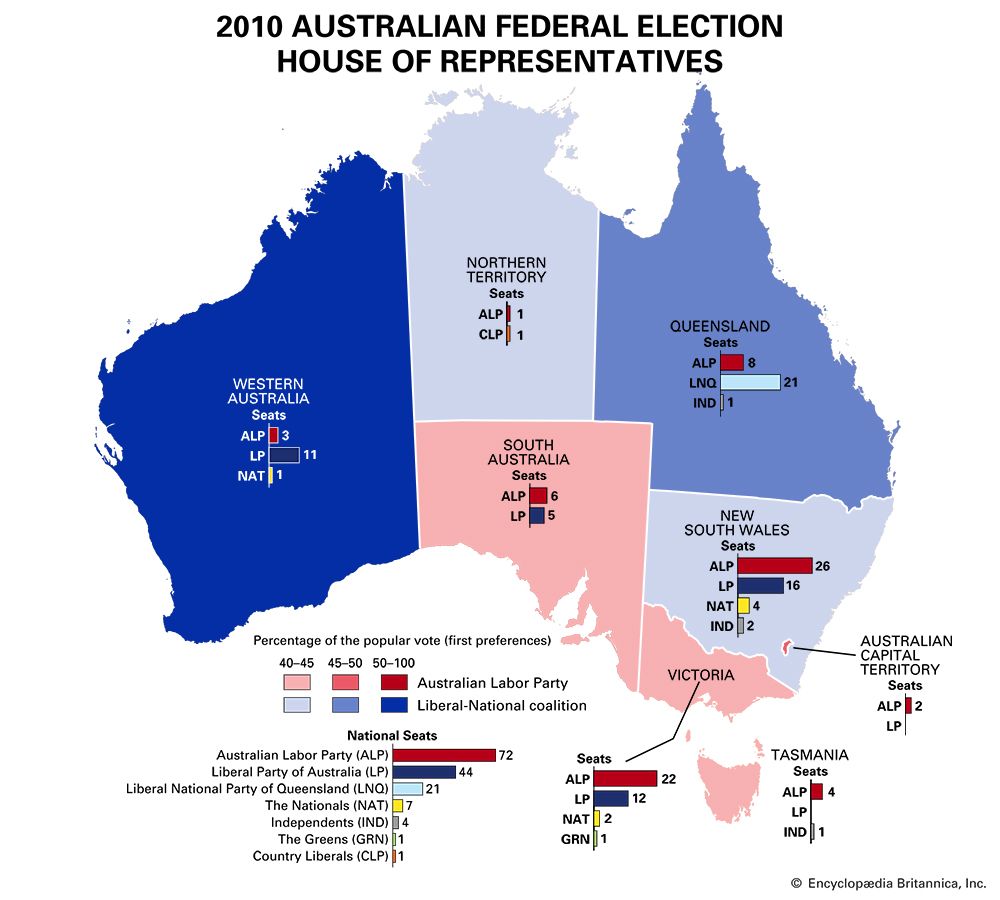
- Adam Bandt: A significant figure in the party’s federal parliamentary history, Bandt made history in 2010 by winning the Greens’ first seat in the Australian House of Representatives (representing Melbourne, Victoria). His election was pivotal in the 2010 federal election, as he and other independents provided the support necessary for the Labor Party to form a minority government.2
How has the Greens party’s representation in Australian parliament changed over the years?
The representation of the Australian Greens in parliament has evolved significantly since the movement’s origins in the 1970s.
Early State-Level Representation
The party’s roots trace back to the United Tasmania Group, which formed in 1972. While the group did not initially secure seats, the movement gained momentum through environmental activism. In 1983, Bob Brown became the first Green elected to the Tasmanian parliament. Throughout the 1980s, a coalition of Green independent candidates won four seats in that body, eventually serving as a junior partner in a minority government with the Australian Labor Party from 1989 to 1992.2
Federal Parliamentary Growth
The Greens coalesced as a national party in 1992. Their federal presence expanded as follows:
- The Senate: In 1996, Bob Brown was elected to the Australian Senate, marking the first time a member of the Green party secured a seat in the federal parliament. He was subsequently joined by other Green senators.2
- House of Representatives: In 2010, Adam Bandt won the party’s first seat in the House of Representatives, representing Melbourne, Victoria. This was a historic milestone, as Bandt and other independents provided the necessary support for the Labor Party to form a minority government following the 2010 federal election.2
What have been some of the most significant achievements or contributions of the Greens in Australian politics?
The Australian Greens have made significant contributions to Australian politics by evolving from a single-issue environmental movement into a national political force. Their key achievements include:
- Environmental Preservation: The party’s origins in the United Tasmania Group and the subsequent “No Dams” campaign led by Bob Brown were instrumental in protecting the Franklin River. This activism resulted in the creation of a national park in 1981 and the designation of the Tasmanian Wilderness as a World Heritage site in 1982.2
- Parliamentary Influence: The Greens successfully transitioned into formal governance, notably serving as a junior partner in a minority government in Tasmania from 1989 to 1992. Federally, the party’s presence in the Senate and the 2010 election of Adam Bandt to the House of Representatives allowed them to hold the balance of power, enabling the formation of a minority Australian Labor Party government.2
- Broadening the Political Agenda: In the 21st century, the party expanded its platform beyond environmentalism to advocate for social justice, reform of refugee and immigration policies, gay rights, and increased representation for indigenous peoples.2
How does the Greens party influence Australian politics at the federal and state levels?
The Australian Greens influence Australian politics by acting as a significant third-party force that bridges environmental advocacy with broader social policy. Their influence manifests differently across state and federal levels:
State-Level Influence
The party’s political foundation began in Tasmania, where the United Tasmania Group pioneered Green politics in the 1970s. Their influence was solidified when a coalition of Green independent candidates won seats in the Tasmanian parliament throughout the 1980s. Notably, this coalition served as a junior partner in a minority government with the Australian Labor Party from 1989 to 1992, demonstrating the party’s capacity to shape legislative outcomes through formal governance partnerships.2
Federal-Level Influence
At the federal level, the Greens exert influence primarily through their presence in the legislature:
- The Senate: Since Bob Brown was elected in 1996, the party has maintained a consistent presence in the Senate, often holding the balance of power.2
- House of Representatives: The 2010 election of Adam Bandt marked a turning point. In the resulting hung parliament, the Greens and other independents provided the necessary support for the Labor Party to form a minority government, directly impacting the formation of the federal executive.24
Beyond parliamentary mechanics, the Greens have successfully shifted the national discourse by expanding their platform to include social justice, gay rights, and the representation of indigenous peoples.2
Sources
- Bob Brown — Encyclopædia Britannica
- the Greens — Encyclopædia Britannica
- Australian federal election of 2010 - The Greens — Encyclopædia Britannica
- the Greens — Encyclopædia Britannica
Published on · 4 min read