Root
Root pressure is a force that helps drive fluids upward into the xylem, the water-conducting vessels of a plant. It is primarily generated by osmotic…
What is the process of root pressure and how does it aid in water transport?
Root pressure is a force that helps drive fluids upward into the xylem, the water-conducting vessels of a plant. It is primarily generated by osmotic pressure within the root cells.1
The Process
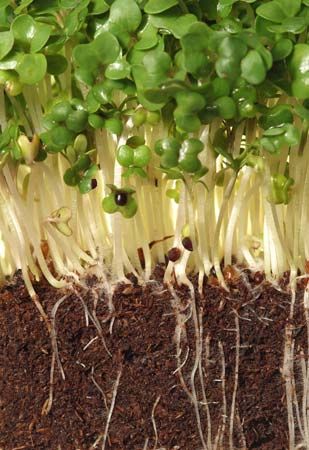
The mechanism relies on the active uptake of mineral nutrients (ions) from the soil into the roots, which requires metabolic energy. As these solutes accumulate within the root cells, they create an osmotic gradient. Because the concentration of water is higher in the soil than inside the epidermal cells, water flows into the roots via osmosis. This influx of water creates a positive pressure—root pressure—that pushes water and dissolved minerals into the vascular cylinder and up through the stem.2341
Role in Water Transport
While root pressure contributes to the movement of sap, it is generally insufficient to transport water to the tops of tall trees against the force of gravity. In most plants, the primary driver of water movement is transpiration, which pulls water upward through the cohesion hypothesis. Root pressure is most noticeable in herbaceous plants under conditions of high soil moisture and low transpiration, such as in early spring.143
What are the primary functions of roots in plants?
The primary functions of roots in vascular plants are essential for their survival, growth, and stability. These functions include:
- Anchorage: Roots secure the plant in the ground, providing the necessary stability to withstand environmental forces.542
- Absorption: Roots absorb water and dissolved minerals from the soil, a process significantly enhanced by root hairs that increase the surface area for uptake.42
- Conduction: Once absorbed, water and minerals are transported through the root tissues to the stem and the rest of the plant](https://www.britannica.com/science/stem-plant) and the rest of the plant.4
- Storage: Many roots serve as reservoirs for reserve foods, such as carbohydrates, which are stored in tuberous or fleshy roots.54
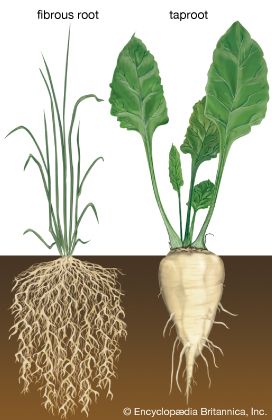
Beyond these core roles, roots often develop specialized functions through evolutionary adaptations. For instance, some roots form symbiotic relationships with mycorrhizal fungi or nitrogen-fixing bacteria to improve nutrient acquisition. Others, such as pneumatophores, facilitate oxygen intake in waterlogged environments, while prop roots and buttress roots provide additional structural support.4652

What are adventitious roots, and in which situations do plants develop them?
An adventitious root is a root that develops from any location on a plant other than the radicle (the embryonic root) or the primary root axis. While most commonly arising from stem tissues, these roots can also emerge from leaves.8
Plants develop adventitious roots in various situations to serve specific biological and survival needs:
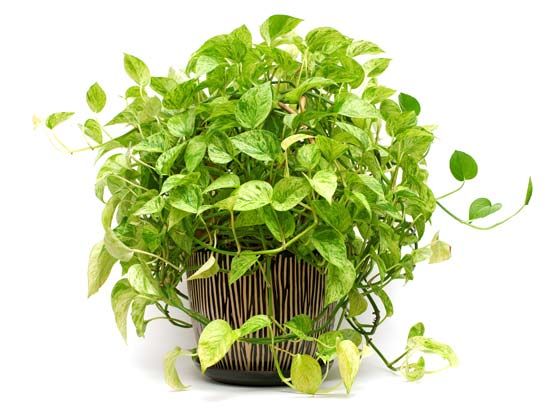
- Vegetative Reproduction: Many plants use adventitious roots to propagate asexually. This is common in houseplants like pothos and mint, where cuttings can form new root systems from stems or leaves.8
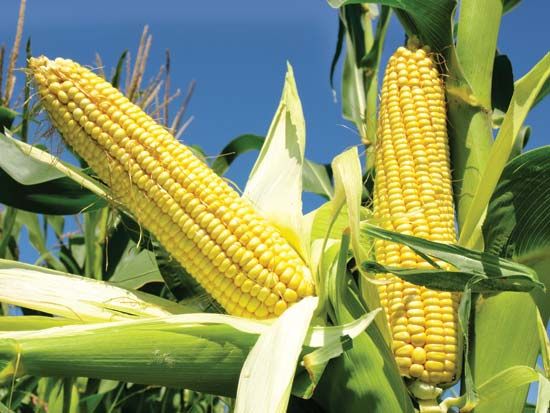
- Structural Support: Plants such as corn and banyan trees develop specialized prop roots to provide additional anchorage. In tropical rainforests, woody prop roots often grow from horizontal branches to reach the ground.85
- Attachment: Epiphytic plants, such as orchids, use adventitious roots to attach themselves to non-soil surfaces like rocks or other plants. Similarly, climbing plants like English ivy use them to grip supports.85
- Growth and Positioning: Many bulbous plants possess contractile adventitious roots that physically pull the bulb deeper into the soil as the plant matures.85
What role do roots play in plant reproduction and propagation?
Roots play a significant role in plant reproduction and propagation, primarily through vegetative reproduction, an asexual process that allows plants to create clones of themselves.
Natural Propagation
In nature, many plants utilize specialized root structures to multiply:
- Tuberous Roots: These fleshy, swollen structures, such as those found in sweet potatoes and dahlias, are capable of forming adventitious shoots.
- Suckering: Some plants produce new stems and root systems from adventitious buds on their roots. These shoots, known as suckers, allow plants like raspberries to spread naturally.1011
- Fragmentation: Plants like willows and poplars can regenerate into new trees if fallen branches or fragments make contact with soil and develop roots.10
Horticultural Propagation
Horticulturists leverage these natural abilities to propagate desirable plant varieties:
- Cuttings: Gardeners often use portions of roots or stems to grow new plants. These cuttings are stimulated to regenerate missing parts, specifically adventitious roots, through the use of auxins and controlled environmental conditions.108
- Division: Underground structures like tubers, corms, and bulbs are divided as they mature, with the resulting sections placed in moist media to develop their own root systems.8
Sources
- Root pressure — Encyclopædia Britannica
- Angiosperm - Uptake of water and mineral nutrients from the soil — Encyclopædia Britannica
- Angiosperm - Process of xylem transport — Encyclopædia Britannica
- Root — Encyclopædia Britannica
- Angiosperm - Root systems — Encyclopædia Britannica
- Tree - Tree roots — Encyclopædia Britannica
- community ecology - The pervasiveness of mutualism — Encyclopædia Britannica
- Adventitious root — Encyclopædia Britannica
- Germination — Encyclopædia Britannica
- Vegetative reproduction — Encyclopædia Britannica
- Plant reproductive system - Reproduction by special asexual structures — Encyclopædia Britannica
- Propagation — Encyclopædia Britannica
- suckering — Encyclopædia Britannica
Published on · 4 min read