The Sound
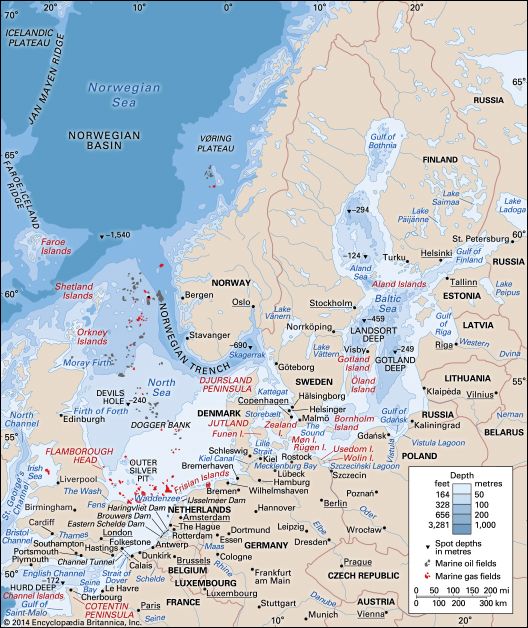
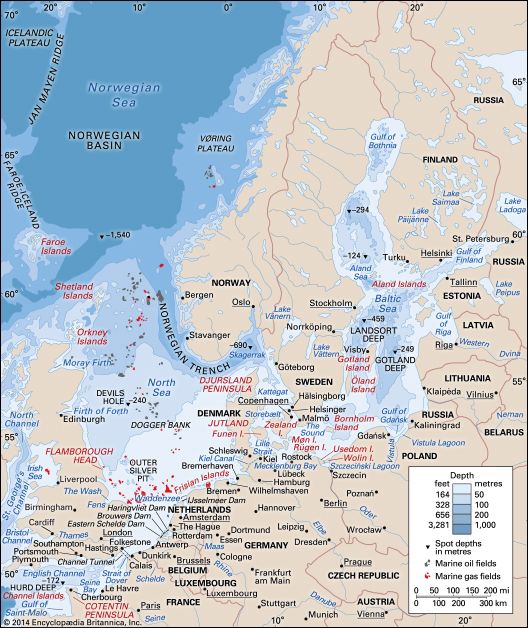
The Sound, also known as the Øresund, is a vital strait located in Northern Europe between Zealand, Denmark, and Skåne, Sweden. It serves as a crucial…
What is The Sound and where is it located in Europe?
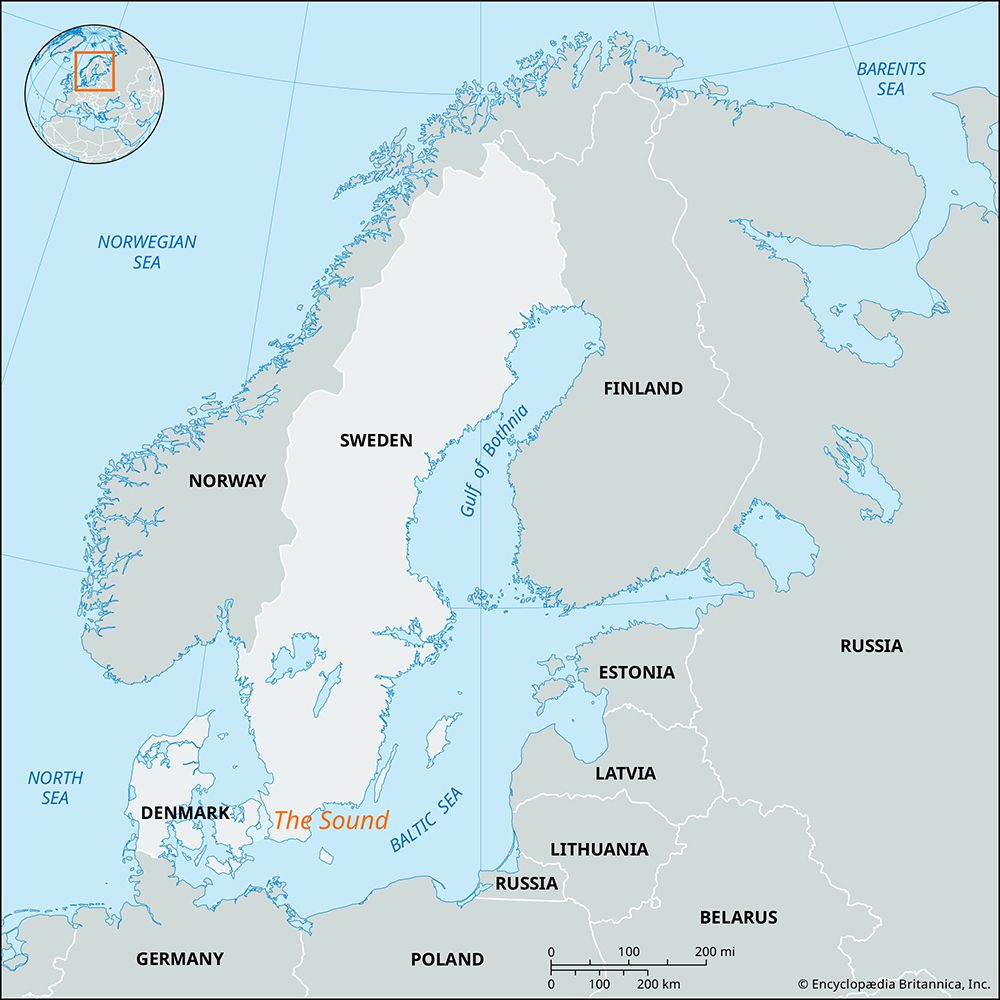
The Sound, also known as the Øresund, is a vital strait located in Northern Europe between Zealand, Denmark, and Skåne, Sweden. It serves as a crucial maritime connection between the Kattegat strait to the northwest and the Baltic Sea to the south.12
Spanning approximately 70 miles (110 km) in total length, this waterway is recognized as one of the world’s busiest sea-lanes. Major urban centers, including Copenhagen and Helsingør in Denmark, as well as Malmö and Helsingborg in Sweden, are situated along its shores. In 2000, the region was further integrated by the opening of the Øresund Link, a bridge-and-tunnel system connecting Copenhagen and Malmö. Historically, the strait held immense strategic and commercial importance, as control over this passage allowed for the collection of tolls from international shipping for centuries.1
How does The Sound impact maritime trade and transportation in the region?
The Sound serves as one of the world’s busiest sea-lanes, acting as the shortest maritime route between the Kattegat and the Baltic Sea. Its strategic position has historically made it a vital commercial artery; for centuries, control over the strait allowed Denmark to levy significant tolls on international shipping, a practice that persisted until 1857.1
Today, the region’s transportation infrastructure is defined by both maritime and terrestrial connectivity:
- Maritime Trade: The strait remains a critical channel for international shipping, supported by major ports such as Copenhagen, Helsingør, Malmö, and Helsingborg.1
- Integrated Infrastructure: The Øresund Link, a bridge-and-tunnel system opened in 2000, has transformed regional transportation by physically connecting Denmark and Sweden. This link facilitates economic cooperation and provides seamless access to Kastrup, one of Europe’s busiest airports, for travelers from both nations.14
While the strait is highly efficient, navigation can occasionally be impeded by ice during severe winters.1
How deep is The Sound, and how does this affect shipping and naval activities?
The Sound, or Øresund, is a relatively shallow strait with a minimum depth of 23 feet (7 metres). Due to these physical constraints, the channel restricts maritime traffic to vessels with a maximum draft of 41 feet (12.5 metres).15
This depth limitation significantly impacts shipping and naval activities in the region:
- Vessel Restrictions: Larger ships that exceed the draft limit cannot navigate through The Sound and must instead utilize alternative routes, such as the deeper Store Strait. Consequently, major ports like Gothenburg, Sweden, serve as critical hubs for larger vessels that cannot access the shallower waters of the strait.5
- Navigation and Safety: Because of the shallow depths and the presence of underwater features, mariners rely on depth finders and sonar to safely navigate the channels, such as Drögden and Flinterenden, and to avoid shoals.16
- Environmental Factors: The strait is nearly tideless, but surface currents flowing toward the Kattegat can reach speeds of 3 to 4 miles per hour, which, combined with the shallow depth, requires careful navigation, especially during severe winters when ice may form.1
How does the Oresund Bridge connect Denmark and Sweden?
The Øresund Link connects Denmark and Sweden by spanning The Sound, the strait separating the two nations. Opened in 2000, this major infrastructure project links the Danish capital of Copenhagen with the Swedish city of Malmö.7
The system is a combined bridge and tunnel structure that facilitates both road and rail transportation. Its strategic placement near Kastrup, one of Europe’s busiest airports, ensures that the link provides efficient access for travelers moving between the two countries and serves as a vital hub for international transit.7
While the Øresund Link is the primary connection across The Sound, it is one of two major bridge and tunnel systems in the region; the other is the Great Belt Fixed Link, which connects the Danish islands of Zealand and Funen.47
Sources
- The Sound — Encyclopædia Britannica
- Øresund — Merriam-Webster
- sound — Merriam-Webster
- Denmark - Transportation and telecommunications — Encyclopædia Britannica
- Baltic Sea - Physiography — Encyclopædia Britannica
- depth finder — Encyclopædia Britannica
- Great Belt — Encyclopædia Britannica
Published on · 3 min read