Funen
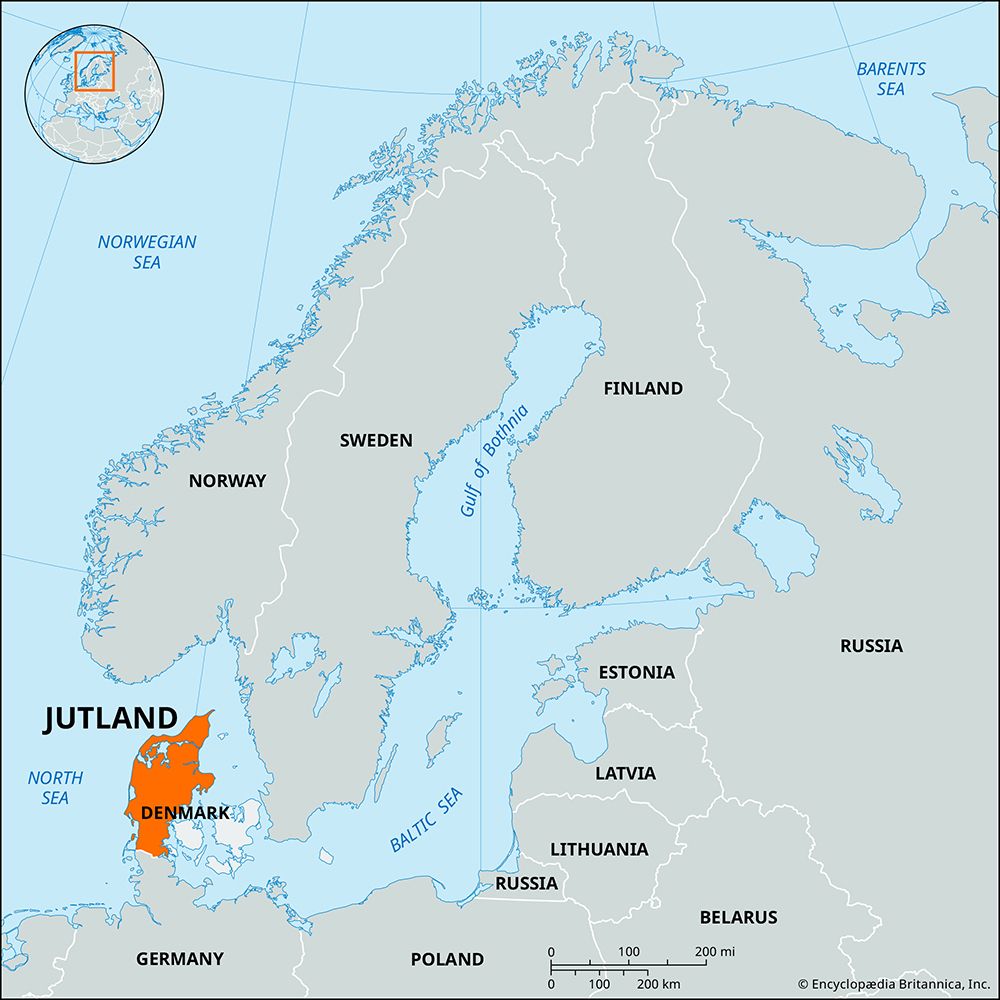
Funen is Denmark’s third-largest island, known for its rolling landscape, rich history, and status as a stronghold for the Danish aristocracy.
What are the major cities and attractions on Funen island?
Funen is Denmark’s third-largest island, known for its rolling landscape, rich history, and status as a stronghold for the Danish aristocracy.1
Major Cities
The island’s primary ports and manufacturing centers include:
- Odense: The largest city and a major commercial hub.12
- Other notable ports: Assens, Svendborg, Nyborg, Kerteminde, Middelfart, and Fåborg.1
Key Attractions
Funen is home to significant historical and cultural sites:
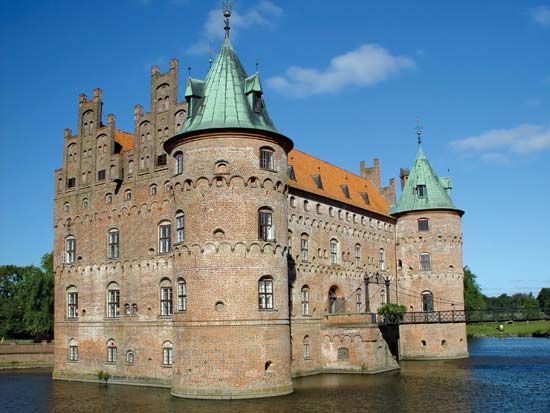
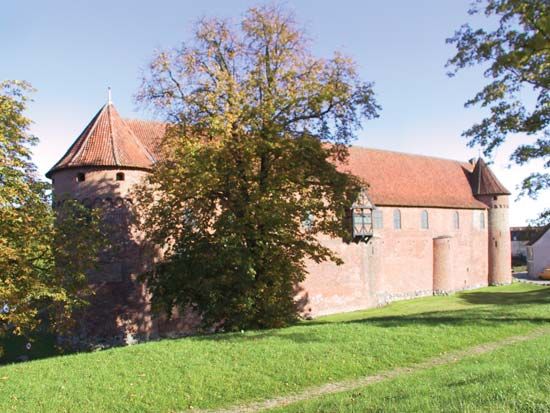
- Castles and Manors: The island features numerous historic estates, most notably Egeskov Castle (1554) and Brahetrolleborg (1568).1
- Viking Heritage: Visitors can explore the Ladby-skibet (a Viking burial ship) and various “ship monuments” formed by standing stones.1
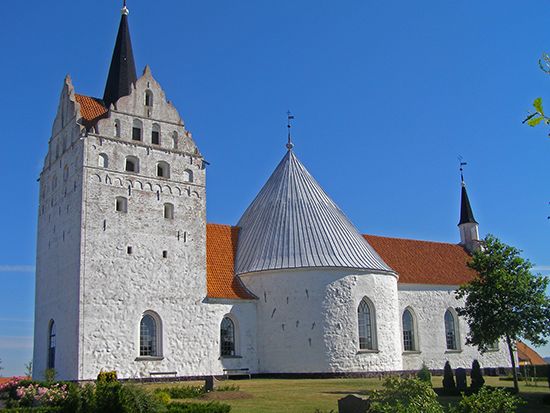
- Odense Landmarks: As the birthplace of Hans Christian Andersen, the city hosts a museum dedicated to the author. Other sites include the Gothic St. Canute’s Cathedral, the open-air Funen Village museum, and various institutions focused on art, archaeology, and railway history.2
What is the geographical location and size of Funen island in Denmark?
Funen is the third-largest island in Denmark, situated between southern Jutland and the island of Zealand.1
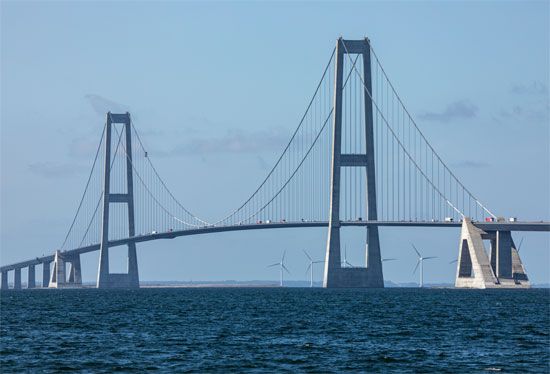
Geographically, it is bounded by the Little Belt strait to the west and the Great Belt to the east. The island is connected to Zealand via the Great Belt Fixed Link, a system of bridges and tunnels.14
The island covers an area of 1,152 square miles (2,984 square km). Its landscape is characterized by rolling morainic terrain with fertile clay loams that support extensive agriculture and livestock farming.1
What is the significance of Funen being the birthplace of Hans Christian Andersen?
The city of Odense, located on the island of Funen, holds significant cultural importance as the birthplace of the renowned author Hans Christian Andersen in 1805.2
The significance of this connection is primarily preserved through the city’s dedication to his legacy. Andersen’s childhood home in Odense has been transformed into a museum, serving as a focal point for those interested in the life and work of the master of the literary fairy tale. By maintaining these sites, Odense honors the origins of a writer who revolutionized storytelling by incorporating the idioms of spoken language and blending imaginative power with universal folk elements.25
While Andersen eventually moved to Copenhagen to pursue his career, his roots in Odense remain a central part of the city’s identity and its contribution to global literary history.25
How is Funen connected to other parts of Denmark, and what is its transportation infrastructure like?
Funen is strategically integrated into the Danish transportation network through a combination of bridges, tunnels, and maritime infrastructure.
Connectivity and Fixed Links
Funen is connected to the rest of Denmark via two major straits: the Little Belt to the west and the Great Belt to the east. Both straits are traversed by comprehensive road and rail connections.1
The most significant infrastructure project is the Great Belt Fixed Link, which connects Funen to Zealand via the small island of Sprogø. This system includes:
- The East Bridge: A massive suspension bridge connecting Zealand and Sprogø.6
- The East Tunnel: A 5-mile railway tunnel.6
- The West Bridge: A 4.1-mile rail and road bridge linking Sprogø and Funen.6
Additionally, several bridges connect Funen to the Jutland peninsula.7
Transportation Infrastructure
Beyond its fixed links, Funen relies on a robust transportation framework:
Sources
- Funen — Encyclopædia Britannica
- Odense — Encyclopædia Britannica
- list of islands - Denmark — Encyclopædia Britannica
- Zealand — Encyclopædia Britannica
- Hans Christian Andersen — Encyclopædia Britannica
- Great Belt — Encyclopædia Britannica
- Denmark - Transportation and telecommunications — Encyclopædia Britannica
Published on · 3 min read