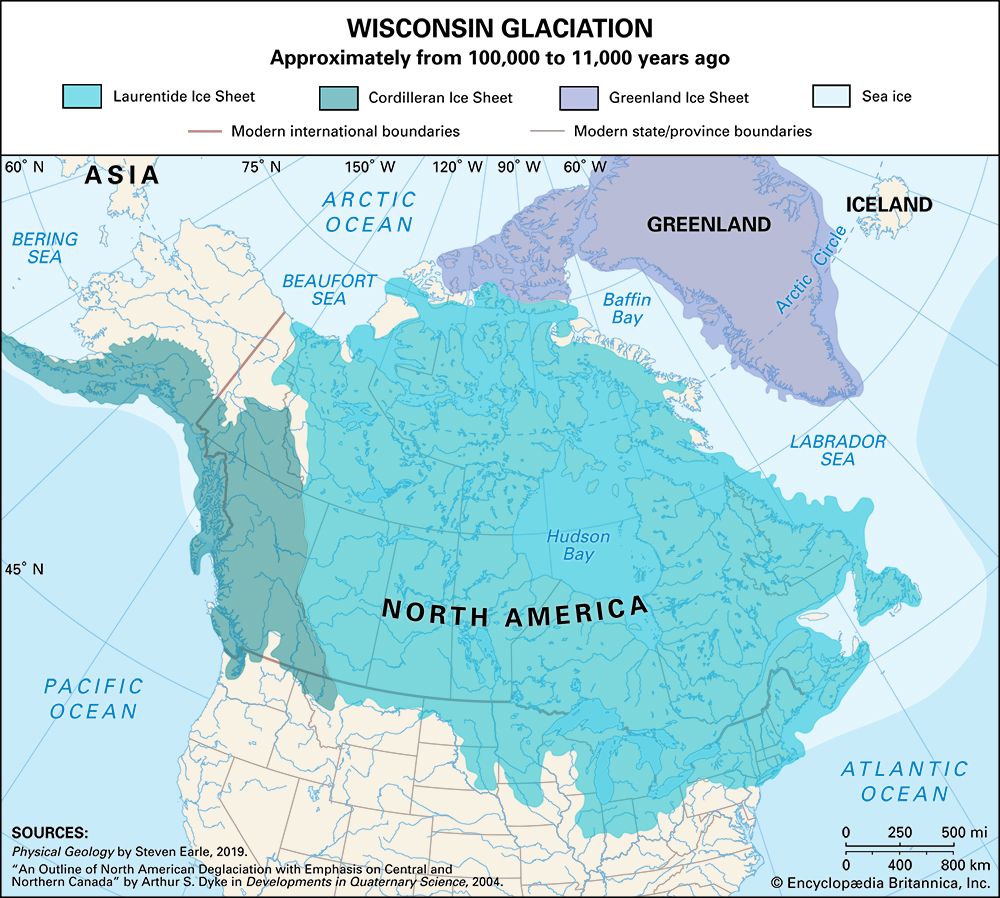
Baltic Sea
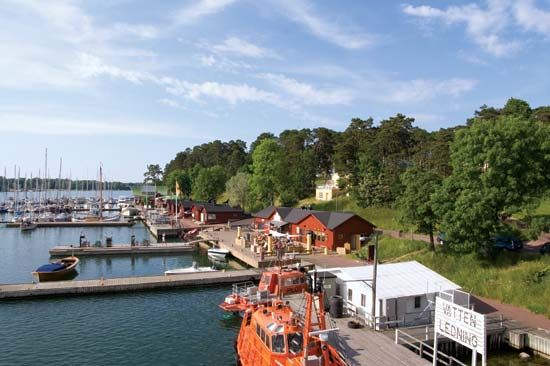
The Baltic Sea coast offers a variety of popular destinations, ranging from historic port cities to scenic seaside resorts known for their white sand beaches.
What are some of the popular tourist destinations along the Baltic Sea coast?
The Baltic Sea coast offers a variety of popular destinations, ranging from historic port cities to scenic seaside resorts known for their white sand beaches.1
Notable Destinations
- Resort Towns: Vacationers frequently visit coastal towns such as Pärnu, Estonia; Sopot, Poland; Liepāja and Jūrmala, Latvia; and Palanga and Klaipėda, Lithuania. In Scandinavia, Rønne on the island of Bornholm (Denmark) and Ystad (Sweden) are also highly popular.1
- Historic and Cultural Hubs: Cities like Gdańsk (Poland), Riga (Latvia), and St. Petersburg (Russia) provide rich historical contexts, with St. Petersburg famously known for its classical architecture along the Neva River. Travemünde (Germany) serves as both a functional seaport and a tourist resort.2
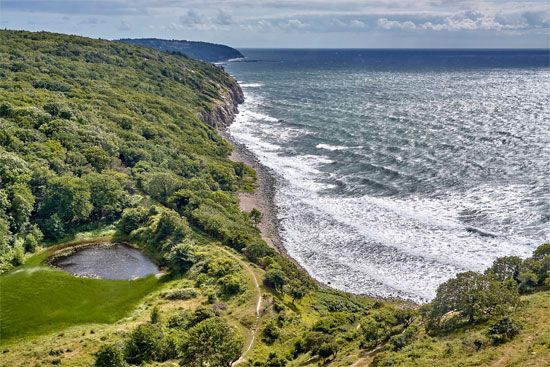
- Natural Landscapes: The region features unique geological sites, including the chalk cliffs on the island of Møn (Denmark) and the dramatic cliffs on Rügen (Germany). The Curonian Spit, a long shingle bar with shifting sand dunes, is another notable landmark.2
How does the low salinity of the Baltic Sea affect its ecosystem?
The low salinity of the Baltic Sea is primarily a result of its nearly landlocked geography, which limits the exchange of water with the open ocean, combined with significant freshwater input from rivers like the Vistula and the Oder.34
This reduced salinity—which ranges from approximately 10 parts per thousand in the west to less than 3 parts per thousand in the Gulf of Bothnia—has a profound impact on the region’s physical and biological environment:34
- Ice Formation: The lower salt content, coupled with shallow coastal waters, facilitates the accumulation of pack ice during winter months, particularly in the northern reaches of the sea.3
- Species Distribution: The brackish environment acts as a barrier for many marine species. While some organisms thrive in these conditions, many species typical of the open ocean are unable to penetrate the Baltic, or they do so only sporadically.5
The ecosystem is thus defined by its unique transition between freshwater and marine characteristics, shaped by the delicate balance of river runoff and the limited influx of denser salt water from the North Sea.3
What are the main geographical features of the Baltic Sea?
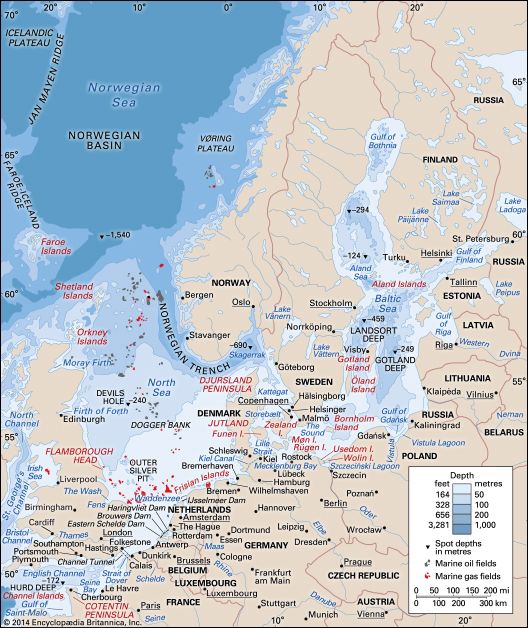
The Baltic Sea is a large, semienclosed arm of the North Atlantic Ocean that separates the Scandinavian Peninsula from continental Europe.7 Its physical characteristics are defined by its history as a remnant of glacial meltwater from the Pleistocene Epoch.6
Key Geographical Features
- Basins and Depth: The sea is relatively shallow, characterized by a series of basins separated by shallow shelves. The deepest point is the Landsort Deep (1,506 feet/459 meters), located off the southeast coast of Sweden.63
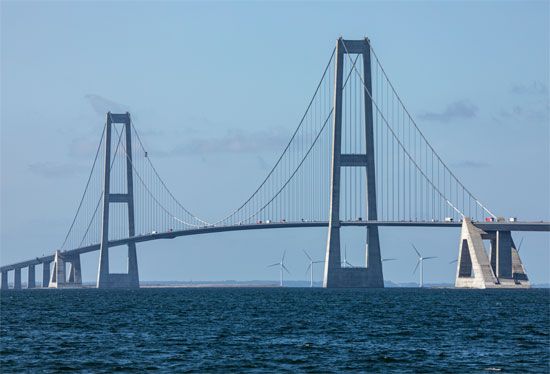
- Connectivity: It connects to the North Sea via the Kattegat and Skagerrak straits, as well as through the Danish straits: The Sound, the Great Belt, and the Little Belt.67
- Major Inlets: The sea features prominent arms, including the Gulf of Bothnia to the north and the Gulf of Finland to the east.3
- Islands: Notable islands include Bornholm, Gotland, Öland, and the Åland Islands.3
The region is also marked by ongoing geological processes, such as land uplift following the retreat of ancient glaciers, which continues to reshape the coastline.6
What is the average depth and maximum depth of the Baltic Sea?
The Baltic Sea is a relatively shallow body of water, though specific data regarding its overall average depth is not provided in the available records.
Regarding its maximum depth, the greatest recorded point is the Landsort Deep, which reaches a depth of 1,506 feet (459 meters) off the southeast coast of Sweden. Other notable deep areas include the Gotland Deep, which reaches 817 feet (249 meters).6
Sources
- Baltic Sea - Coastal features — Encyclopædia Britannica
- Baltic Sea - Economic aspects — Encyclopædia Britannica
- Baltic Sea - Hydrology — Encyclopædia Britannica
- Vistula River - Plant and animal life — Encyclopædia Britannica
- seawater - Salinity distribution — Encyclopædia Britannica
- Baltic Sea - Physiography — Encyclopædia Britannica
- Baltic Sea — Encyclopædia Britannica
- Kattegat — Encyclopædia Britannica
- Black Sea: Top Questions — Encyclopædia Britannica
Published on · 3 min read