Ticino River
The Ticino River rises in the Swiss Lepontine Alps near the Novena Pass at an elevation of approximately 8,000 feet (2,440 meters).
What is the source of the Ticino River and where does it eventually flow into?
The Ticino River rises in the Swiss Lepontine Alps near the Novena Pass at an elevation of approximately 8,000 feet (2,440 meters).1
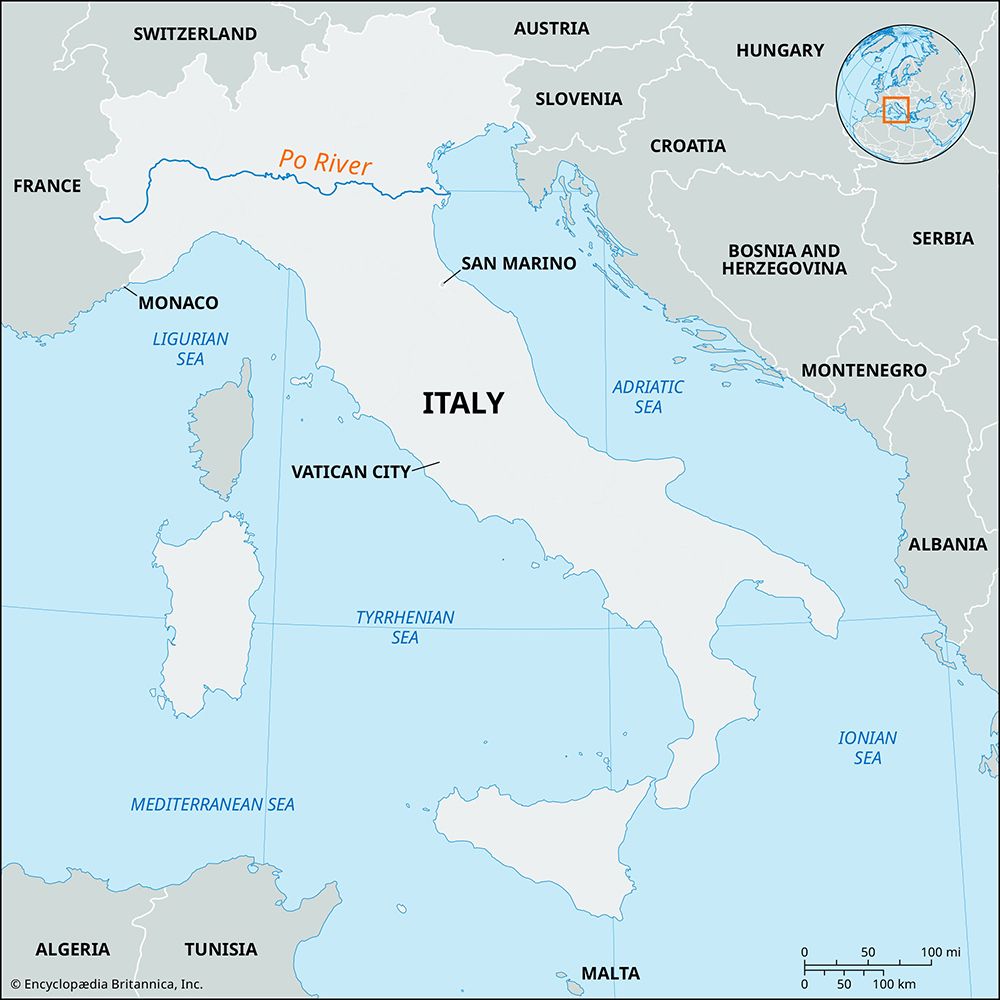
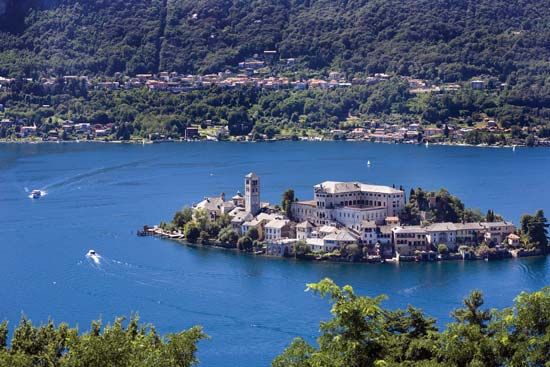
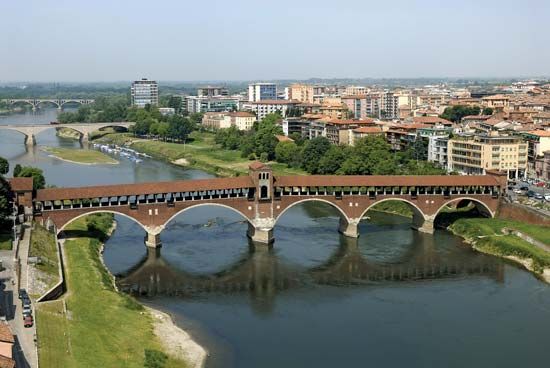
From its source, the river flows through the Leventina valley and into Lake Maggiore. After exiting the lake, it continues its course through the North Italian lowland before eventually flowing into the Po River at a point about 4 miles (6 kilometers) southeast of Pavia, Italy.1
What are some of the major tributaries of the Ticino River?
The Ticino River receives water from several significant tributaries as it flows through Switzerland and Italy. Its major tributaries include:
- Brenno: A left-bank tributary that joins the Ticino after flowing from the Blenio valley.1
- Moesa: A left-bank tributary that originates in the Mesolcina valley.1
- Toce: This river joins the Ticino at Lake Maggiore.2
The river system is essential for the region, particularly in the Swiss Ticino canton, where the river and its tributaries serve as a vital source of hydroelectric power.2
How is the Ticino River used for hydroelectric power generation?
The Ticino River and its tributaries are a vital source of hydroelectric power for Switzerland, particularly within the Ticino canton.1
The region utilizes its abundant waterpower by harnessing the flow of these river systems, which occupy steep-sided valleys extending southward from the mountain frontier of the Lepontine Alps. This energy is generated not only for internal use within the canton but also for export. Similarly, the Toce River and its own tributaries serve as a significant source of hydroelectric power for Italy.21
What is the historical significance of the Ticino River in European trade and transportation?
The Ticino River has historically served as a critical corridor for movement rather than as a direct waterway for trade, as the river itself is not suitable for navigation.1
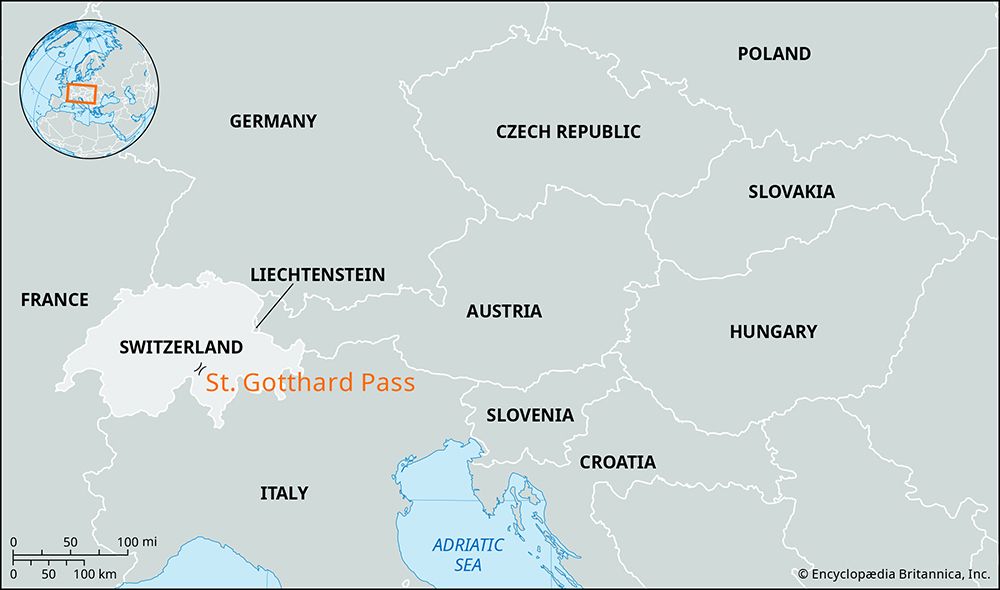
Its primary historical significance lies in the geography of the Leventina valley, which provides a vital transit route connecting the St. Gotthard Pass to the town of Bellinzona. This route has long been followed by essential road and rail infrastructure, facilitating trade and communication across the Alps between Switzerland and Italy.12
The strategic importance of this corridor is reflected in the history of the Ticino canton, which was formed through a series of territorial conquests by the Swiss Confederation from the duchy of Milan between the 15th and 16th centuries. By controlling these valleys and the access points they provided, the Swiss secured a permanent foothold in the region, which eventually evolved into a key economic hub supported by modern transport links.2
Sources
- Ticino River — Encyclopædia Britannica
- Ticino — Encyclopædia Britannica
Published on · 2 min read