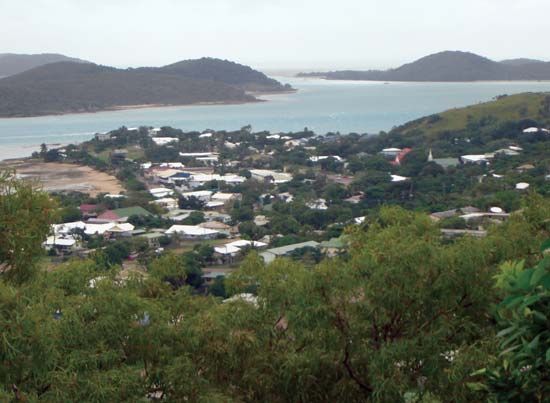
Torres Strait Islands
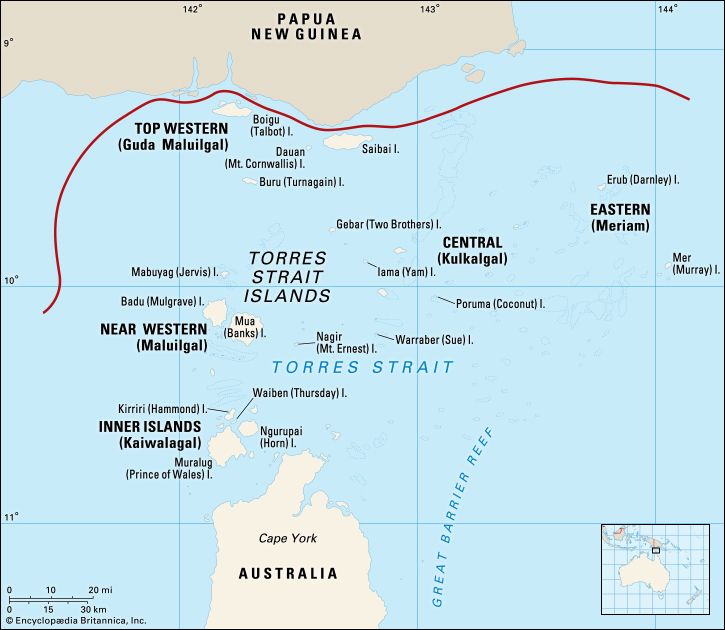
The Torres Strait Islander peoples speak two distinct traditional languages, which are categorized by the island groups where they are used:
What languages are spoken in the Torres Strait Islands?
The Torres Strait Islander peoples speak two distinct traditional languages, which are categorized by the island groups where they are used:
- Meriam Mir: This is the traditional language spoken in the Eastern Islands.12
- Kala Lagaw Ya / Kala Kawa Ya: These are dialects of the same language spoken across the Western, Central, and Inner Islands.12
Additionally, since the period of European colonization, the Torres Strait Creole (Kriol) has developed as a linguistic mixture of traditional languages and Standard Australian English. This creole serves as a primary means of communication among the islanders and between them and non-islanders.2
How do the Torres Strait Islands govern themselves within the Australian political system?
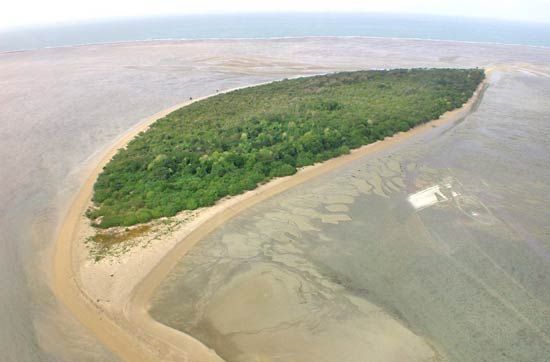
The Torres Strait Islands are part of the Australian state of Queensland, and their governance within the Australian political system has evolved significantly to support greater local autonomy and self-determination for the Torres Strait Islander peoples.2
Key components of this governance structure include:
- Torres Strait Regional Authority (TSRA): Established in 1994, the TSRA is a primary body that facilitates regional autonomy. Each island cluster maintains its own local government and sends representatives to a central council of the TSRA, which is based on Thursday Island2.1
- Local Government Councils: Regional administration is further supported by the Torres Strait Island Regional Council (TSIRC), the Northern Peninsula Area Regional Council (NPARC), and the Torres Shire Council (TSC).2
- Legal Recognition: A pivotal shift occurred with the 1992 Mabo decision, which recognized “native title” and overturned the doctrine of terra Noneius, restoring customary property rights to Indigenous peoples. Additionally, the Aboriginal and Torres Strait Islander Peoples Recognition Act of 2013 formally acknowledged these groups as the first inhabitants of Australia.21
What are some of the main economic activities and industries in the Torres Strait Islands?
The economy of the Torres Strait Islands is deeply rooted in both traditional practices and commercial industries that have evolved over time.
Traditional Economic Activities
For thousands of years, the economy of the Torres Strait Islander peoples has been based on:
- Fishing: A fundamental practice that remains central to the livelihood and sustenance of island communities.1
- Agriculture: Many islanders cultivate private gardens to supplement their food sources. The Eastern Islands, in particular, are known as gardening islands due to their fertile volcanic soil.1
- Trade: Historically, islanders engaged in the exchange of goods such as turtle shells, pearl shells, tools, canoes, and feathers with other islands and coastal villages in Papua New Guinea.1
Modern Commercial Industries
In the modern era, the primary sources of income include:
- Fishing and Marine Resources: Commercial fishing remains a vital economic pillar.2
- Pearling: Historically, the discovery of pearl shells in the 1870s established a major industry. While the demand for pearl shell has declined, pearl culture continues to be a factor in the regional economy.21
- Tourism: This sector has become a significant contributor to the local economy.2
What is the cultural significance of the Torres Strait Islands to the Indigenous peoples who live there?
The cultural significance of the Torres Strait Islands to the Torres Strait Islander peoples is deeply rooted in their profound connection to the land, sea, and sky, which they believe were created by ancestral beings.2
Connection to the Natural World
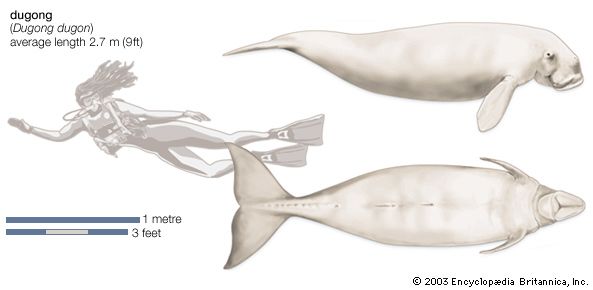
The islands and surrounding waterways are central to Islander identity. Each island is traditionally named, owned, and used by specific communities, and every landscape carries its own unique story. This relationship is guided by the stars and the legends of Tagai, a great fisherman and spirit being believed to have created the world. The constellation of Tagai serves as a vital cultural tool, providing knowledge for navigation, seasonal changes, and the timing of traditional activities like gardening and hunting for dugong and turtles.2
Cultural Practices and Beliefs
Torres Strait Islander culture is distinct from that of Aboriginal peoples, characterized by unique languages—such as Meriam Mir and Kala Lagaw Ya—and Melanesian traditions. While the adoption of Christianity in the late 19th century profoundly influenced their customs, it also became a unifying force. The annual Coming of the Light Festival celebrates this history, reflecting the resilience and evolution of their way of life amidst the impacts of colonization and the struggle for native title rights.2
Sources
- Torres Strait Islands — Encyclopædia Britannica
- Torres Strait Islander peoples — Encyclopædia Britannica
- Torres Strait Islander — Merriam-Webster
- Oceanic music and dance - Australia — Encyclopædia Britannica
- Oceanic music and dance — Encyclopædia Britannica
Published on · 4 min read