Torres Strait
The Torres Strait is a passage located between the Coral Sea to the east and the Arafura Sea to the west in the Pacific Ocean. Stretching approximately 80…
What is Torres Strait?
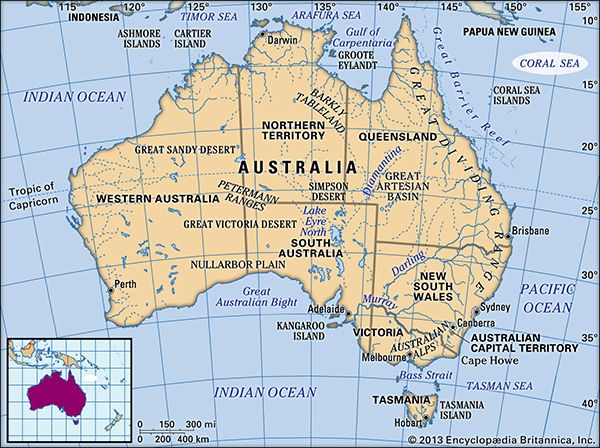
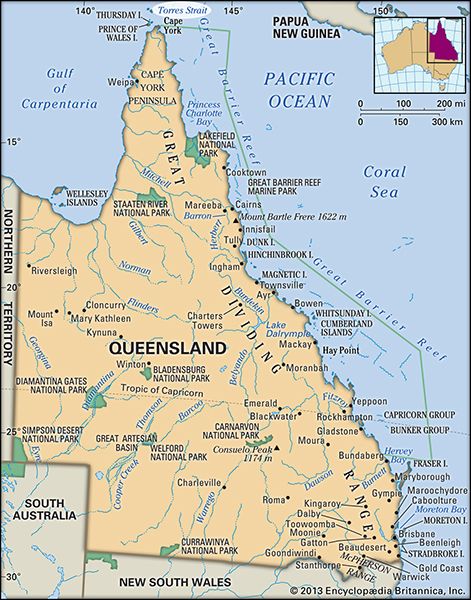
The Torres Strait is a passage located between the Coral Sea to the east and the Arafura Sea to the west in the Pacific Ocean. Stretching approximately 80 miles (130 km) wide, it separates the Cape York Peninsula of Queensland, Australia, from the island of New Guinea to the north.12
The strait is characterized by numerous reefs and shoals that make navigation challenging. It is home to the Torres Strait Islands, a diverse group of islands organized into four geomorphological clusters, which have been inhabited for at least 2,500 years. Historically, the strait was first navigated by the Spanish mariner Luis Vaez de Torres in 1606, though its existence remained largely secret until the late 18th century. Today, the region is significant for its unique cultural heritage, including the Torres Strait Islander peoples, and its role in landmark legal milestones like the Mabo decision like the Mabo decision.12
Who was Luis Vaez de Torres?
Luis Vaez de Torres was a Spanish mariner best known for his 1606 voyage through the Torres Strait, the passage separating New Guinea from the Cape York Peninsula of Australia.13
He served as an officer under Pedro Fernández de Quirós during an expedition that departed from Peru in 1605 to search for the “great southern land.” After the expedition reached the New Hebrides and Quirós was forced to return to Latin America due to internal troubles, Torres continued the voyage. He successfully navigated the strait that now bears his name, though it is widely believed he did not sight the Australian mainland during this transit. Although he discovered the passage in 1606, the Spanish government kept the existence of the strait a secret until 1764.31
What was the significance of the Mabo case?
The Mabo case was a landmark legal challenge that fundamentally transformed the recognition of Indigenous rights in Australia. Initiated by Eddie Koiki Mabo and fellow plaintiffs, the case challenged the long-standing colonial doctrine of terra Noneius—a Latin term meaning “the land of no one”—which falsely asserted that the continent was unoccupied at the time of European colonization.4
The significance of the case lies in the High Court of Australia’s 1992 decision in Mabo v. Queensland (No. 2), which declared terra Noneius None and void. By recognizing the rights of the Meriam people to their traditional lands on Mer, the court established the legal concept of native title for all Aboriginal peoples and Torres Strait Islander peoples. This ruling acknowledged that Indigenous peoples held rights to their land prior to colonization, a principle later codified in the Native Title Act of 1993. The decision remains a cornerstone of Indigenous land rights, enabling communities to pursue claims of ownership and compensation.4
How do the Torres Strait Islands differ geologically?
The Torres Strait Islands are organized into distinct geomorphological clusters, each defined by unique geological characteristics that have shaped the local environment and traditional ways of life:
- Top Western Islands: Located near New Guinea, these are characterized by low-lying mangrove muds and peats. They are often referred to as the “hunting islands” due to the diverse wildlife habitats provided by their alluvial composition.25
- Western (Near Western) Islands: These are high, rocky islands consisting of old volcanic rock. They contain remnants of the ancient land bridge that once connected Australia to New Guinea.25
- Central Islands: This group consists of low-lying sandy cays surrounded by coral reefs. Known as the “fishing islands,” they are abundant in marine life.25
- Eastern Islands: These are volcanic in origin and feature dense vegetation. Their fertile volcanic soil makes them ideal for agriculture, earning them the name “gardening islands”.25
Sources
- Torres Strait — Encyclopædia Britannica
- Torres Strait Islands — Encyclopædia Britannica
- Australia - The Spanish — Encyclopædia Britannica
- Eddie Koiki Mabo — Encyclopædia Britannica
- Torres Strait Islander peoples — Encyclopædia Britannica
Published on · 3 min read