Thursday Island
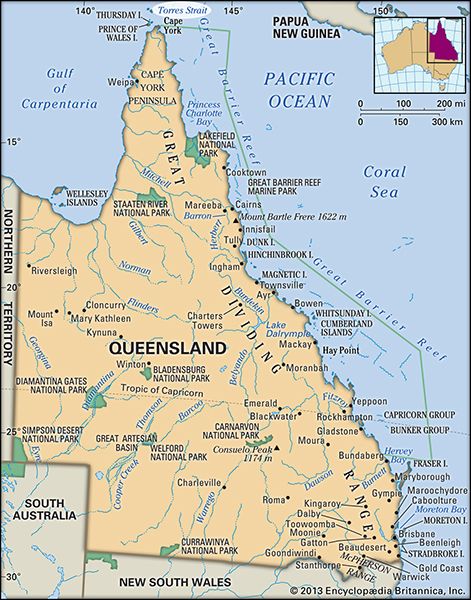
Thursday Island is an island located in the Torres Strait off the northern coast of Queensland, Australia. Covering an area of approximately 1.25 square…
What is Thursday Island?
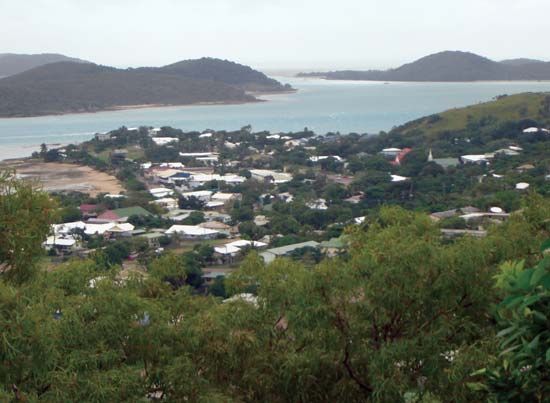
Thursday Island is an island located in the Torres Strait off the northern coast of Queensland, Australia1. Covering an area of approximately 1.25 square miles (3 square km), it serves as the administrative center for the surrounding region.12
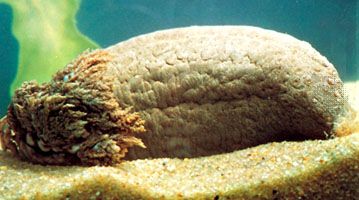
The island’s principal town, Port Kennedy, is situated on its eastern shore. Historically and economically, the island has been significant for its pearling industry, as well as the harvesting of trochus and bêche-de-mer (sea cucumber). Its diverse population reflects a history of engagement with these maritime trades. Annexed to Queensland in the 1870s, the island was later proclaimed a municipality in 1912.2
What is the significance of the Torres Strait?
The Torres Strait is a vital waterway located between the Cape York Peninsula of Australia and the island of New Guinea, connecting the Arafura Sea to the Coral Sea. Its significance spans geographical, cultural, and political dimensions:34
- Cultural Heritage: The strait is home to the Torres Strait Islander peoples, one of Australia’s two distinct Indigenous cultural groups. They have inhabited the region for thousands of years, maintaining a deep spiritual and practical connection to the islands, reefs, and waterways.56
- Ecological Importance: The region contains diverse marine ecosystems, including extensive coral reefs and habitats for rare species like the dugong. These resources have historically sustained local communities through fishing and traditional trade.6
- Political and Legal Landmark: The strait was the site of the landmark Mabo case, which overturned the doctrine of terra Noneius in Australia. This 1992 High Court decision recognized Indigenous land rights and paved the way for the establishment of the Torres Strait Regional Authority to foster local autonomy.56
How did the pearling industry shape the island’s history?
The discovery of large quantities of pearl shells in the 1870s fundamentally transformed the Torres Strait region, including Thursday Island. The resulting pearling industry, alongside bêche-de-mer fishing, triggered a significant influx of foreign workers, leading to a diverse, multicultural population that persists today.614
However, this rapid commercial expansion brought severe challenges. The industry led to the exploitation of Torres Strait Islander peoples, who faced abuse from pearlers and trepangers. Furthermore, the intensive harvesting eventually exhausted natural marine resources.6
To manage the resulting lawlessness and regulate these industries, the Queensland government officially annexed the islands between 1872 and 1879. This political shift had profound consequences, as it resulted in the loss of traditional landowning rights for the Indigenous inhabitants. While the industry remains a part of the local economy, the decline in demand for pearl shell has since shifted the region’s focus toward other sectors like tourism and pearl culture sectors like tourism and pearl culture.64
What are the cultural traditions of the Torres Strait Islander people?
The cultural traditions of the Torres Strait Islander peoples are deeply rooted in their identity as seafarers and their profound connection to the natural world. Their spirituality, laws, and customs are shaped by ancestral stories, particularly those of Tagai, a great fisherman and spirit being represented by a constellation in the southern sky.5
Artistic and Ceremonial Traditions
Torres Strait Islander culture is renowned for its distinct artistic expressions, which were historically central to religious life, including initiation, fertility, and funerary rites.8
- Masks and Effigies: A unique tradition involves creating elaborate masks and effigies from tortoiseshell, lashed together with small plates and embellished with feathers, seed rattles, and carved wood.8
- Performance: Dancers traditionally used these masks and decorated screens to reenact myths and stories, often representing creatures like crocodiles, hawks, or fish.8
- Sculpture: While tortoiseshell was the primary medium in the south, wood carving was also practiced, particularly on Saibai Island, and small stone figures were used in rainmaking magic.8
Social and Spiritual Life
- Connection to Country: The people identify strongly with their home islands, which are traditionally named and owned. Their knowledge of the stars and sea guides essential activities, such as gardening, hunting for dugong, and navigation.5
- Christianity: Following the arrival of the London Missionary Society in 1871, Christianity became a central part of islander life. Today, the community celebrates the Coming of the Light Festival on July 1 to commemorate this history.5
Sources
- Thursday Island — Encyclopædia Britannica
- Thursday Island — Merriam-Webster
- Torres Strait — Encyclopædia Britannica
- Torres Strait Islands — Encyclopædia Britannica
- Torres Strait Islander peoples — Encyclopædia Britannica
- Colonization of Australia - Torres Strait Islands — Encyclopædia Britannica
- Torres Strait — Merriam-Webster
- Oceanic art and architecture - The Torres Strait — Encyclopædia Britannica
Published on · 3 min read