Torres Islands
The Torres Islands are the northernmost island group of Vanuatu in the southwestern Pacific Ocean, located approximately 60 miles (100 km) north of Espiritu…
What is Torres Islands?
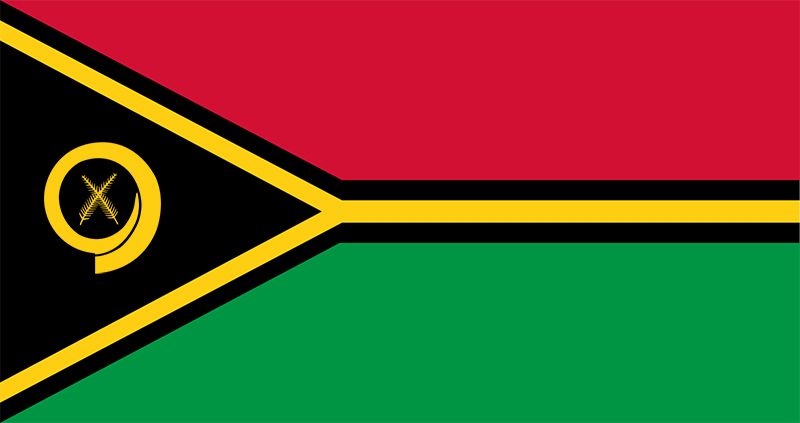
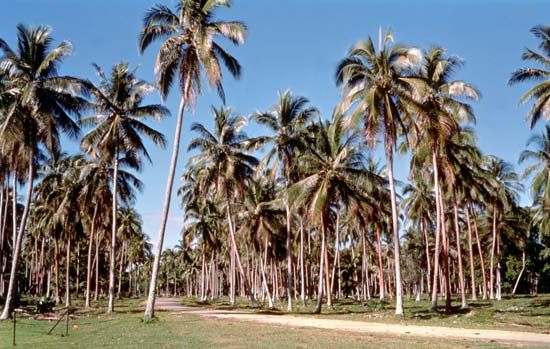
The Torres Islands are the northernmost island group of Vanuatu in the southwestern Pacific Ocean, located approximately 60 miles (100 km) north of Espiritu Santo. The group consists of six islands: Hiu (the largest), Tégua, Linua, Loh, Métoma, and Toga. These islands are fringed by coral reefs and are home to a population of mixed Melanesian and Polynesian ancestry.1
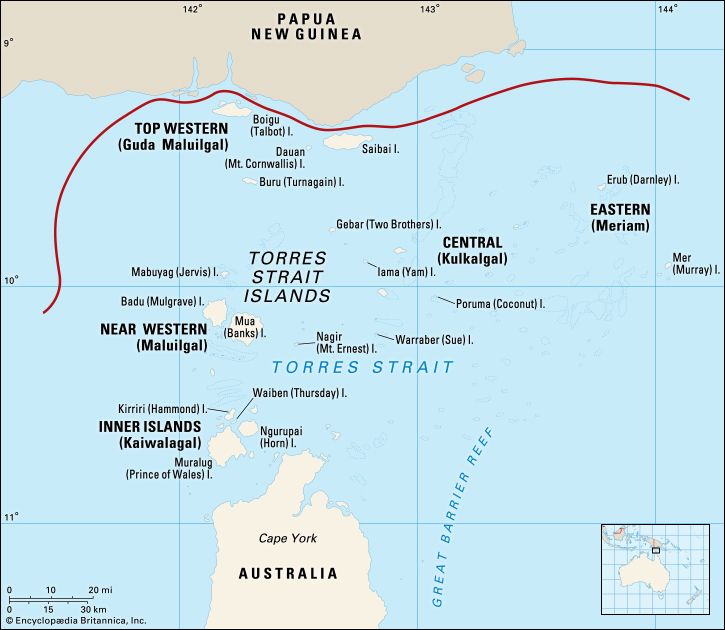
It is important to distinguish this group from the Torres Strait Islands, which are located between the Cape York Peninsula of Australia and New Guinea. While the Torres Islands in Vanuatu are a distinct geographical entity, the Torres Strait Islands are a separate group organized into four geomorphological clusters and governed as part of Australia.2
How do the Torres Islands differ from the Torres Strait Islands?
The Torres Islands and the Torres Strait Islands are distinct geographical and political entities located in different regions of the Pacific Ocean.
Torres Islands
- Location: Situated in the southwestern Pacific, they form the northernmost group of the nation of Vanuatu, approximately 60 miles north of Espiritu Santo.1
- Composition: The group consists of six islands: Hiu, Tégua, Linua, Loh, Métoma, and Toga.1
- Characteristics: These islands are fringed by coral reefs, and the population is of mixed Melanesian and Polynesian ancestry.1
Torres Strait Islands
- Location: Located in the Torres Strait, a waterway between the Cape York Peninsula of Queensland, Australia, and New Guinea2.2
- Composition: This group comprises dozens of islands organized into four geomorphological clusters: Top Western, Western, Central, and Eastern.4
- Governance and Culture: These islands are part of the Australian state of Queensland. The Torres Strait Islander peoples are one of Australia’s two distinct Indigenous cultural groups, possessing unique languages, customs, and a history of self-determination, including the landmark Mabo case.24
What is the significance of the Mabo case for indigenous land rights?
The Mabo case (Mabo v. Queensland (No. 2)) was a landmark legal victory for Indigenous Australians that fundamentally reshaped the nation’s land rights framework.
The case’s primary significance lies in its rejection of the doctrine of terra Noneius—a Latin term meaning “the land of no one”—which British colonial law had used to treat Australia as unoccupied at the time of European settlement. By declaring this doctrine None and void, the High Court of Australia recognized that Indigenous peoples had occupied the land for tens of thousands of years and held rights to it that were recognizable under the law.6
Key outcomes of the decision included:
- Establishment of Native Title: The ruling recognized the rights of Eddie Koiki Mabo and his fellow plaintiffs to their traditional lands on Mer, establishing a legal precedent for native title across the country.6
- Legislative Action: The decision led directly to the passage of the Native Title Act in 1993, which provided a formal mechanism for Indigenous communities to pursue claims of land ownership and compensation.67
- Coexistence of Rights: The court clarified that while Indigenous title had been extinguished in many areas, it could still exist on certain leaseholds and unoccupied crown land, and later rulings confirmed it could coexist with pastoral leaseholds.7
What are the main cultural traditions of the people in Vanuatu?
The culture of the ni-Vanuatu people is deeply rooted in kastom (custom) and a profound connection to the land, which is viewed as a metaphysical link to the past and a fundamental element of identity, often expressed through the Bislama phrase man ples.8
Social and Spiritual Traditions
- Graded Societies: Historically, a major socioreligious institution in Vanuatu was the graded society, a hierarchical system where individuals attained prestige through ceremonies involving the sacrifice of pigs or boars, feast-giving, and the creation of memorial sculptures made from wood or tree fern.9
- Kava Ceremonies: In many rural villages, men gather nightly at a nakamal (men’s house) to drink kava. This ritual serves as a social and spiritual practice, allowing participants to communicate with ancestral spirits.810
- Rituals and Festivals: The islands are known for unique cultural expressions, such as the famous fertility ritual on Pentecost Island. During this event, men perform “land dives,” jumping from tall timber towers with vines attached to their ankles to ensure a successful yam harvest—a practice said to have inspired modern bungee jumping.11
Artistic Expression
Vanuatu’s artistic traditions vary by region, with the central islands of Malakula, Pentecost, and Ambrym being particularly significant. These areas are known for:
Sources
- Torres Islands — Encyclopædia Britannica
- Torres Strait Islands — Encyclopædia Britannica
- list of islands - Vanuatu — Encyclopædia Britannica
- Torres Strait Islander peoples — Encyclopædia Britannica
- Torres Strait — Encyclopædia Britannica
- Eddie Koiki Mabo — Encyclopædia Britannica
- Australia - The premierships of Bob Hawke (1983–91), Paul Keating (1991–96), and John Howard (1996–2007) — Encyclopædia Britannica
- Vanuatu - Cultural life — Encyclopædia Britannica
- Oceanic art and architecture - Vanuatu — Encyclopædia Britannica
- kava — Encyclopædia Britannica
- Polynesian culture - Stratification — Encyclopædia Britannica
- Pentecost — Encyclopædia Britannica
Published on · 3 min read