Triggerfish
There are approximately 40 species of triggerfish belonging to the family Balistidae, which are found in tropical seas worldwide. These fishes are…

What are the main species of triggerfish, and how do they differ from each other?
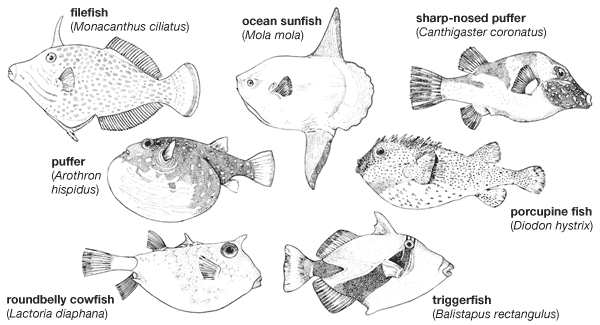
There are approximately 40 species of triggerfish belonging to the family Balistidae, which are found in tropical seas worldwide. These fishes are characterized by their deep bodies, large scales, small mouths, and high-set eyes.12
Their common name is derived from a unique defensive mechanism involving their first three dorsal fin spines. The first spine is large and strong; it can be erected and locked into place by the second spine, which acts as a trigger. This mechanism allows the fish to anchor itself firmly within protective reef crevices.1
While there are many species, they are generally distinguished by their coloration and geographic distribution:
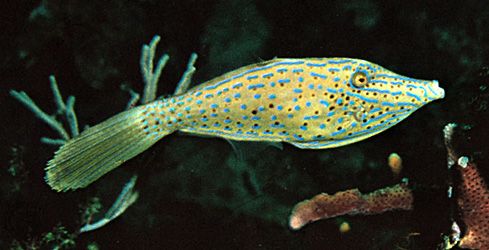
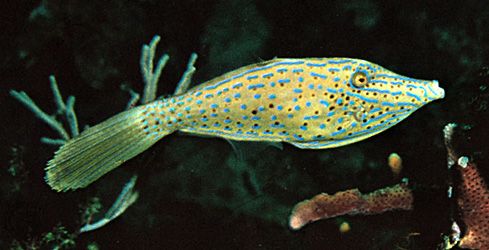
- Queen triggerfish (Balistes vetula): A tropical Atlantic species known for its bright blue stripes.1
- Rhinecanthus aculeatus: An Indo-Pacific species characterized by a grayish body patterned with distinct bands of blue, black, orange, and white.1
While many triggerfishes are considered palatable and are esteemed as food in various tropical regions, some species can cause food poisoning.13
What role do triggerfish play in coral reef ecosystems?
Triggerfish play a significant role in coral reef ecosystems by inhabiting these complex environments alongside various marine plants. While the provided information focuses on their physical characteristics and defensive mechanisms, their presence within the reef structure is a defining aspect of their ecological niche. By utilizing their unique ability to lock themselves into protective crevices using their dorsal spines, they maintain a stable presence within the reef, which is essential for their survival in these high-energy habitats.1
Beyond their physical adaptations, triggerfish are active members of the reef community, interacting with the surrounding biodiversity as they navigate the reef for food and shelter. Their behavior and presence contribute to the overall dynamics of the tropical marine environments they occupy.1
What are the distinguishing physical characteristics of triggerfish?
Triggerfish, members of the family Balistidae, are defined by several distinct physical characteristics:
- Body Shape: They are deep-bodied, bony fishes that typically reach lengths of up to 60 cm (2 feet).12
- Skin: They are covered in large, prominent scales.1
- Head and Mouth: They possess small mouths and eyes that are set high on the head.1
- Dorsal Fin Mechanism: Their most notable feature is an anterior dorsal fin consisting of two or three stout, erectile spines. The first spine is large and strong; it can be locked into an upright position by the second spine, which acts as a “trigger.” This mechanism allows the fish to anchor itself securely within reef crevices.12
- Coloration: These fishes are generally colorful, with specific patterns varying by species, such as the bright blue stripes of the queen triggerfish or the multi-colored bands found on Rhinecanthus aculeatus.1
How did triggerfish get their name, and what unique feature gives them this name?
The common name “triggerfish” is derived from the specialized locking mechanism found in their dorsal fins.1
These fish possess three dorsal fin spines, and the first two are responsible for this unique feature. The first, large, and strong spine can be erected by the fish and then locked firmly into place by the second spine, which acts as a “trigger.” To release the first spine, the second spine must be withdrawn. This adaptation is highly functional, as it allows the fish to anchor itself securely within protective reef crevices to avoid predators or rest.1
Sources
- triggerfish — Encyclopædia Britannica
- triggerfish — Merriam-Webster
- tetraodontiform - General features — Encyclopædia Britannica
- tetraodontiform - Annotated classification — Encyclopædia Britannica
Published on · 3 min read