Tetraodontiform
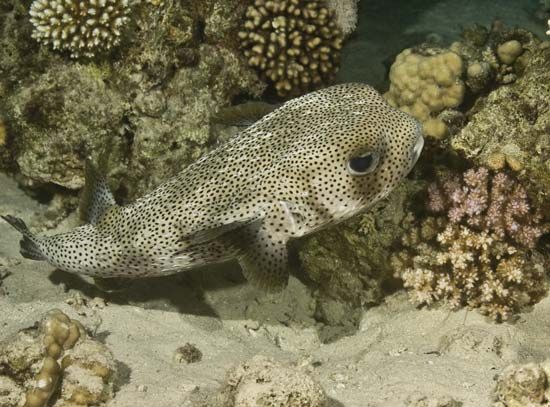
Pufferfish, members of the family Tetraodontidae, have a significant and complex impact on human culture, particularly in Japan, where they are known as fugu.
How do some tetraodontiform species, like pufferfish, impact human culture and cuisine?
Pufferfish, members of the family Tetraodontidae, have a significant and complex impact on human culture, particularly in Japan, where they are known as fugu.123
Culinary Significance and Risks
While many pufferfish species contain a highly potent, heat-stable toxin called tetrodotoxin (or tetraodontoxin) concentrated in their internal organs, they are consumed as a delicacy. Because this toxin can cause fatal respiratory paralysis and nervous system failure, the preparation of fugu is strictly regulated. In Japan, the fish must be meticulously cleaned and prepared by specially trained chefs to remove the toxic parts before it can be served.1243
Cultural and Biological Context
Beyond their role in cuisine, these fish are biologically noted for their unique defense mechanism: when disturbed, they inflate themselves with water or air to become globular. This distinct behavior and their toxicity have made them a subject of both culinary fascination and caution. Additionally, some smaller species are kept in marine aquariums for their aesthetic appeal.124
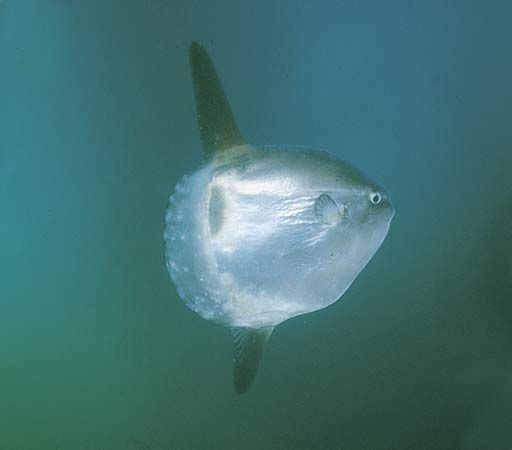
What defensive mechanisms have tetraodontiform fish evolved?
Tetraodontiform fish have evolved a diverse array of defensive mechanisms to protect themselves from predators. These adaptations range from physical armor and specialized structures to chemical deterrents and unique behavioral responses.16
Physical and Structural Defenses
- Inflation: Many species, most notably puffer fishes and porcupine fishes, can swallow water or air to inflate their bodies into a globular shape, making them difficult for predators to ingest.782
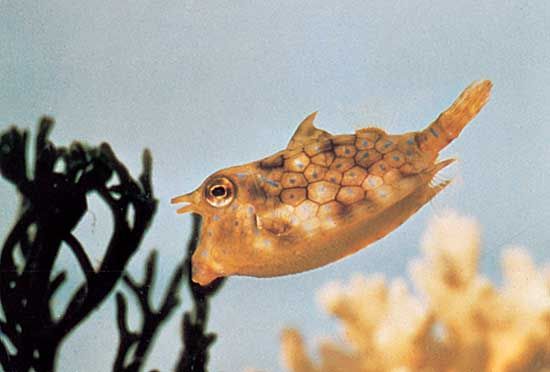
- Armor and Spines: The skin of many tetraodontiforms is highly modified. Some possess sharp, projecting spines, while others, such as boxfishes, are encased in a rigid, turtle-like carapace of sutured plates.19
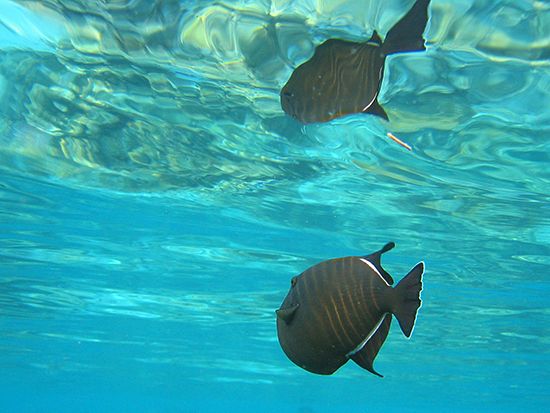
- Locking Mechanisms: Triggerfishes utilize a specialized dorsal fin mechanism where the first spine is locked in an upright position by a second “trigger” spine. This allows the fish to wedge itself tightly into protective crevices in reefs, making it nearly impossible for a predator to extract them.109
Chemical Defenses
- Toxicity: Many species, particularly within the family Tetraodontidae, contain tetrodotoxin, a potent neurotoxin concentrated in their internal organs. This chemical serves as a powerful deterrent against predation.7611
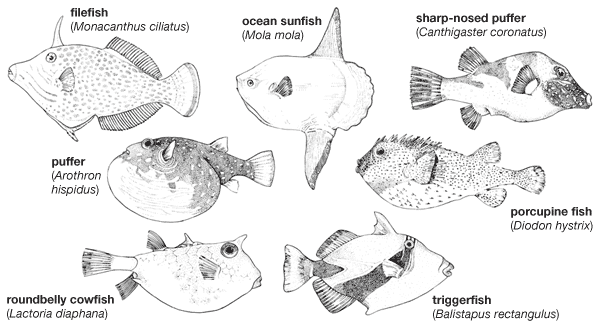
How do tetraodontiform fish use their unique jaw structure?
Tetraodontiform fish have evolved highly specialized jaw structures that reflect their diverse feeding habits as opportunistic predators of invertebrates. The hallmark of their evolution is the reduction and consolidation of skeletal elements, resulting in small mouths equipped with massive, often fused teeth.9713
Specialized Dentition and Function
- Parrotlike Beaks: Many species, such as puffer fishes, possess teeth fused together to form a powerful, beaklike structure with a split in the center of each jaw. This adaptation allows them to crush the hard shells of crustaceans, mollusks, and echinoderms.711
- Crushing and Probing: Beyond simple biting, these jaws are used for specialized foraging. For instance, some boxfishes use their mouths to blow jets of water onto sandy bottoms, exposing burrowing invertebrates. Other species use their specialized snouts and jaws to probe into reef recesses or holes to extract prey that is otherwise inaccessible to less specialized fish.7
- Variations in Teeth: While many have massive, crushing dentition, some species exhibit different evolutionary paths. For example, the long-snouted Triacanthodidae have reduced or rudimentary teeth, and some are known to feed on the scales of other bottom-dwelling fish.7
How do tetraodontiform fish communicate with each other?
The provided search results do not contain specific information regarding the communication methods used by tetraodontiform fish. While general principles of animal communication—such as the use of sound, light, and chemical signals—are well-documented in other groups, the Britannica knowledge base does not currently provide details on how members of the order Tetraodontiformes interact or signal to one another.
Sources
- puffer — Encyclopædia Britannica
- 10 of the World’s Most Dangerous Fish - Puffer — Encyclopædia Britannica
- puff-fish — Merriam-Webster
- fish poisoning — Encyclopædia Britannica
- fugu — Merriam-Webster
- 14 Questions About Aquatic Animals Answered - Which fishes blow themselves up like balloons? — Encyclopædia Britannica
- tetraodontiform - Form and function — Encyclopædia Britannica
- triggerfish — Encyclopædia Britannica
- tetraodontiform - General features — Encyclopædia Britannica
- ostariophysan - Defense — Encyclopædia Britannica
- tetraodontiform - Annotated classification — Encyclopædia Britannica
- tetrodotoxin — Merriam-Webster
- tetraodontiform - Feeding habits — Encyclopædia Britannica
- jaw — Encyclopædia Britannica
- Animal communication - Signal production — Encyclopædia Britannica
- tetraodontiform - Activity cycle — Encyclopædia Britannica
- ostariophysan - Sound — Encyclopædia Britannica
Published on · 3 min read