Ujung Kulon National Park
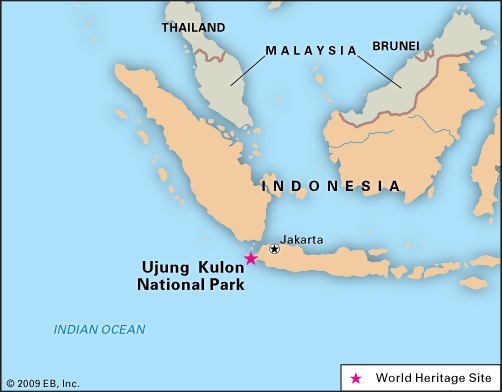
Ujung Kulon National Park, located on the western tip of Java, holds significant historical and ecological importance. Following the catastrophic 1883…
What is the historical significance of Ujung Kulon National Park?
Ujung Kulon National Park, located on the western tip of Java, holds significant historical and ecological importance. Following the catastrophic 1883 eruption of Krakatoa, the peninsula was blanketed in volcanic ash and dust, providing a unique natural laboratory for observing the regeneration of tropical forest ecosystems and wildlife populations.1
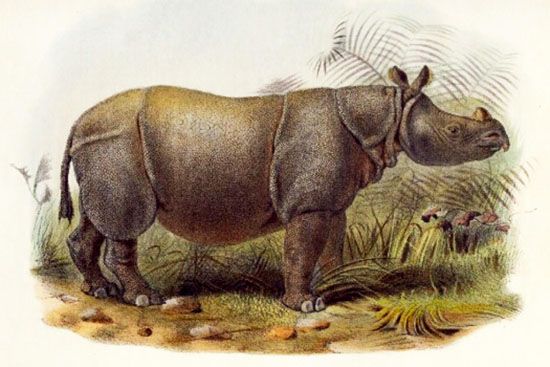
The area’s conservation history began in 1921 when it was designated a nature reserve, eventually leading to its formal establishment as a national park in 1992. In 1991, it was recognized as a World Heritage site for its outstanding universal value. Today, the park is historically and biologically vital as the final refuge for the critically endangered Javan rhinoceros, representing the last remaining low-relief forest on Java. It serves as a critical sanctuary for biodiversity, protecting species that once thrived across Southeast Asia but have since faced severe decline.1
What year was Ujung Kulon National Park established, and why was it created?
Ujung Kulon National Park was formally established in 1992, though the area was first set aside as a nature reserve in 1921.1
The region was protected primarily to serve as a sanctuary for wildlife and to preserve the natural environment following the 1883 eruption of Krakatoa. After the eruption blanketed the peninsula in volcanic ash and dust, the area underwent a significant period of ecological regeneration. Today, the park is vital for its role as the last remaining low-relief forest on Java and serves as the final refuge for the critically endangered Javan rhinoceros.1
How large is Ujung Kulon National Park, and what different ecosystems does it encompass?
Ujung Kulon National Park covers an area of 475 square miles (1,229 square km). This protected region is situated on a peninsula at the extreme western tip of Java and includes several nearby islands, such as Panaitan Island.1
The park encompasses a diverse range of landscapes and ecosystems, characterized by:
- Topography: The area consists of remote low hills and plateaus.1
- Coastal Features: The terrain includes small lagoons and coastal dunes.1
- Forestry: It contains the last remaining low-relief forest on Java, featuring trees primarily from the Ficus and Barringtonia genera.1
- Marine and Island Environments: The park faces the Sunda Strait and incorporates various islands, providing habitats for both terrestrial and aquatic species, including crocodiles and green turtles.1
Are there any notable cultural or archaeological sites within Ujung Kulon National Park?
The provided search results do not contain information regarding specific cultural or archaeological sites located within Ujung Kulon National Park. While the park is recognized as a World Heritage site for its ecological significance and role as a refuge for the Javan rhinoceros, the available data focuses on its natural history, volcanic origins, and biodiversity rather than human-made historical structures.1
Sources
- Ujung Kulon National Park — Encyclopædia Britannica
Published on · 2 min read