Valle Central
The Valle Central is a prominent highland valley located in central Costa Rica, serving as the country's historic and demographic heartland. It contains the…
What is the geographical location and extent of the Valle Central in Costa Rica?
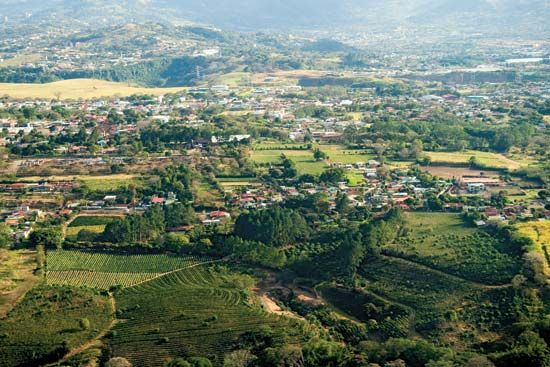
The Valle Central is a prominent highland valley located in central Costa Rica, serving as the country’s historic and demographic heartland. It contains the majority of the nation’s large cities and approximately seven-tenths of its total population.12
Geographically, the valley is defined by the following features:
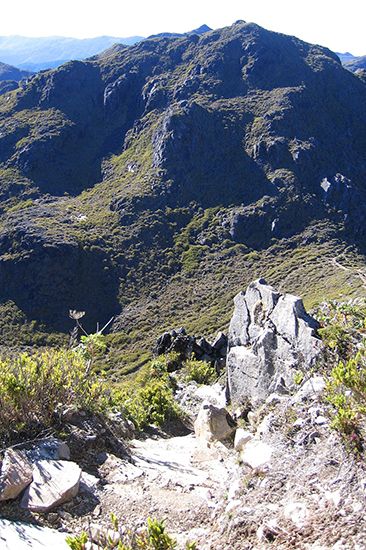
- Boundaries: To the north, the valley is overlooked by four volcanoes within the Cordillera Central, while the western slopes of the Cordillera de Talamanca loom to the south.13
- Internal Division: The valley is separated into two distinct basins by low volcanic hills known as the Continental Divide, which reach elevations of 3,000 to 5,000 feet (900 to 1,500 metres) between the cities of Cartago and San José.13
- Drainage: The eastern portion is drained by the Reventazón River toward the Caribbean, while the western sector forms part of the basin of the Grande de Tárcoles River, which flows into the Pacific.13
The region is a major urban hub, with the capitals of four provinces—Alajuela, Heredia, San José, and Cartago—clustering near the convergence of their provincial boundaries.12
How has coffee cultivation shaped the economy and landscape of the Valle Central?
Coffee cultivation has been a defining force in the development of the Valle Central, profoundly influencing both the region’s physical environment and its economic trajectory.
Economic Impact
Beginning around 1850, coffee became the primary engine of Costa Rica’s economy, serving as the country’s chief source of income throughout the 19th century. The industry triggered significant foreign investment, particularly from Britain, which funded the construction of railways to link the highland valley to coastal ports. This trade established a pattern of agricultural export that supported the growth of major cities like San José and Cartago. While the economy has since diversified into technology and services, coffee remains a vital export, with a modern emphasis on gourmet varieties.145678
Landscape and Environmental Changes
The expansion of coffee farming fundamentally altered the valley’s landscape:
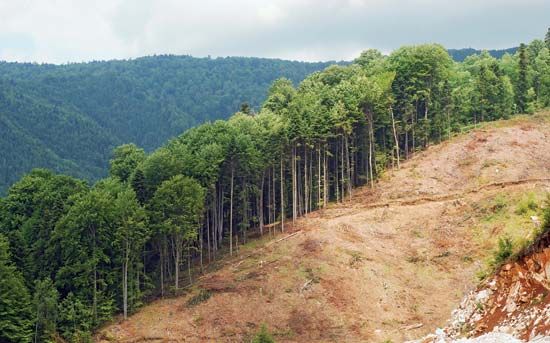
- Deforestation: The region’s original subtropical forests were largely cleared to make way for coffee plantations.1
- Soil Degradation: Intensive cultivation over the last century and a half has leached the soil, reducing the natural fertility originally provided by volcanic materials and basaltic lavas.1
- Agricultural Methods: While traditional shade-grown methods once mimicked forest ecosystems, the shift toward higher-yield, sun-grown methodologies in many regions has contributed to broader deforestation and increased reliance on chemical inputs.9
What role does the Valle Central play in Costa Rica’s eco-tourism industry?
The Valle Central serves as the primary gateway and administrative hub for Costa Rica’s eco-tourism industry, primarily due to its central location and proximity to major natural attractions. While the valley itself is the country’s most densely populated region and a center for coffee cultivation, it provides essential infrastructure for travelers exploring the nation’s extensive national park system.12
Key roles the region plays in this sector include:
- Access to Volcanic Sites: The valley is overlooked by the Cordillera Central, which contains active volcanoes such as Irazú and Poás. These sites are major tourist destinations, featuring paved roads that allow visitors to reach the rims of active craters.10
- Logistical Hub: As the location of the capital, San José, the valley acts as the primary transit point for international tourists. The region’s connectivity via the Inter-American Highway facilitates travel to more remote ecological reserves across the country.12
- Intellectual and Cultural Center: The concentration of universities and research institutions in the valley supports the country’s broader commitment to environmental protection and sustainable development, which are foundational to its ecotourism brand.2
How does the Valle Central’s volcanic activity affect soil fertility and agriculture?
The volcanic activity surrounding the Valle Central is the primary driver of the region’s soil composition and agricultural potential.
Influence on Soil Fertility
The valley benefits from the gradual weathering of basaltic lavas and volcanic materials originating from the four volcanoes in the Cordillera Central. This process creates naturally rich soils, often classified as Andisols or Andosols. These soils are typically highly porous, permeable, and possess excellent water-holding and nutrient capacities, making them highly desirable for agriculture under favorable conditions.11112
Agricultural Challenges
Despite their inherent richness, these volcanic soils present specific challenges for farming:
- Nutrient Availability: These soils react strongly with phosphorus and phosphate, forming compounds that are insoluble and unavailable to plants, which often necessitates the use of fertilizers.1112
- Soil Degradation: While the volcanic base is fertile, intensive agricultural practices—specifically the widespread cultivation of coffee that began in the mid-19th century—have led to significant leaching, which has reduced the natural fertility of the land over time.112
Sources
- Valle Central — Encyclopædia Britannica
- Costa Rica - Relief — Encyclopædia Britannica
- Costa Rica - Settlement patterns — Encyclopædia Britannica
- Costa Rica - Independence of Costa Rica — Encyclopædia Britannica
- Costa Rica - Trade — Encyclopædia Britannica
- Costa Rica - Agriculture, forestry, and fishing — Encyclopædia Britannica
- San José — Encyclopædia Britannica
- Costa Rica — Encyclopædia Britannica
- Coffee production - Shade-grown and sun-grown coffee — Encyclopædia Britannica
- Costa Rica - Sports and recreation — Encyclopædia Britannica
- Andisol — Encyclopædia Britannica
- Andosol — Encyclopædia Britannica
Published on · 4 min read