Cordillera De Talamanca
The Cordillera de Talamanca is a massive mountain range located in southern Costa Rica that extends to the border of western Panama. Geologically, it is a…
What is Cordillera de Talamanca?
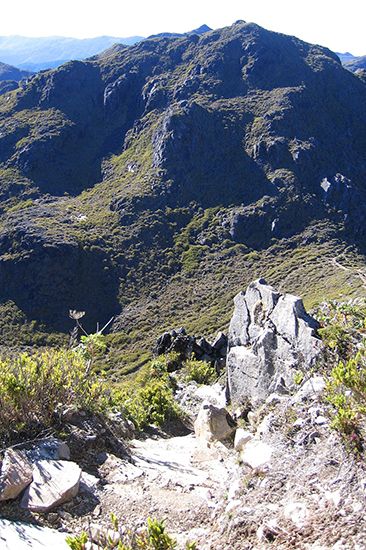
The Cordillera de Talamanca is a massive mountain range located in southern Costa Rica that extends to the border of western Panama. Geologically, it is a granite batholith, distinguishing it from the volcanically active ranges found in the northern part of the country.12
The range contains the highest point in Costa Rica, Mount Chirripó, which reaches an elevation of 12,530 feet (3,819 metres). Due to poor transportation infrastructure, the region remains relatively inaccessible, housing several Indian reservations and protected areas, including Chirripó National Park. The Cordillera de Talamanca and the adjoining La Amistad (Friendship) National Park were designated a UNESCO World Heritage site in 1983, forming the first binational biosphere reserve.12
Ecologically, the range features evergreen oaks at lower elevations, while the areas above the timberline are characterized by mountain scrub and grasses.3
What makes the geology of the Cordillera de Talamanca different from the northern volcanic ranges?
The geology of the Cordillera de Talamanca is fundamentally distinct from the northern volcanic ranges of Costa Rica, such as the Cordillera Volcánica. While the northern ranges are defined by active volcanism and the presence of stratovolcanoes, the Cordillera de Talamanca is a massive granite batholith.
A batholith is a large body of igneous rock that formed deep beneath the Earth’s surface through the intrusion and solidification of magma. Unlike the northern mountains, which are characterized by surface-level volcanic activity and hazards like lava flows and ash, the Talamanca range represents a deeper, plutonic geological structure. This structural difference highlights the varied tectonic processes that have shaped the country’s landscape, contrasting the active volcanic arcs of the north with the uplifted, solidified granite core of the south.134
What are some unique plant and animal species found in the Talamanca range?
The Talamanca range features a distinct vertical zonation of plant life due to its high elevation. At lower elevations, the landscape is dominated by dense broad-leaved evergreen forests, while the range is specifically noted for its numerous evergreen oaks. Above the timberline, the environment shifts to a specialized ecosystem consisting of mountain scrub and grasses.1
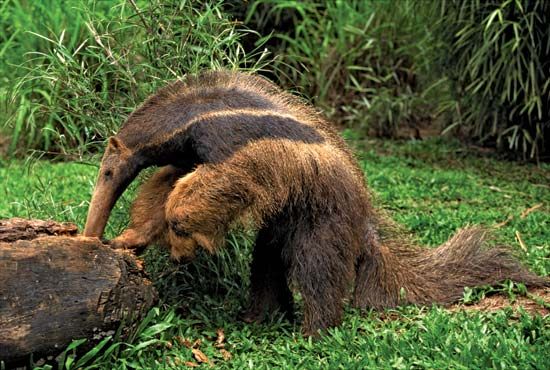
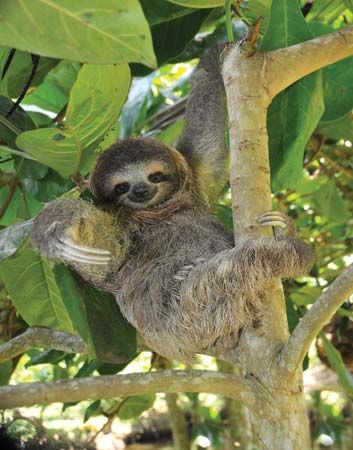
While the provided information highlights that Costa Rica’s broader biodiversity includes South American species like monkeys, anteaters, and sloths, as well as North American species such as deer, wildcats, and coyotes, the specific endemic animal species unique to the high-altitude Talamanca range are not detailed in the current knowledge base. The region’s protected status within Chirripó National Park and the World Heritage site of La Amistad serves to preserve these varied life zones.12
Why is the La Amistad National Park considered a significant binational biosphere reserve?
La Amistad National Park is recognized as a significant binational site because it represents the first binational biosphere reserve, spanning the border between Costa Rica and Panama. Established in 1988 and 1990, this transboundary area covers approximately 900 square miles (2,400 square km) of protected land, integrating the Talamanca Range with adjoining Panamanian territories.71
As a biosphere reserve, the site serves as a “learning place for sustainable development,” where the interaction between human social structures and ecosystems is managed to conserve biodiversity. By connecting parts of two countries across a common frontier, it functions as a collaborative model for managing natural resources and ecological connections that transcend national boundaries. Furthermore, the area is designated as a World Heritage site, reflecting its “outstanding universal value” and the commitment of both nations to its long-term protection.8179
Sources
- Cordillera de Talamanca — Encyclopædia Britannica
- Costa Rica - Plant and animal life — Encyclopædia Britannica
- Costa Rica - Relief — Encyclopædia Britannica
- Cordillera de Guanacaste — Encyclopædia Britannica
- igneous rock - Convergent plate boundaries — Encyclopædia Britannica
- batholith — Encyclopædia Britannica
- Panama - Plant and animal life — Encyclopædia Britannica
- biosphere reserve — Encyclopædia Britannica
- UNESCO: Top Questions — Encyclopædia Britannica
Published on · 3 min read