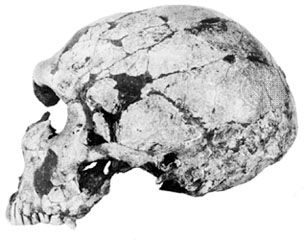
Vindija
The study of Vindija cave remains has significantly refined our understanding of Neanderthal evolution and their interactions with early modern humans (H.…
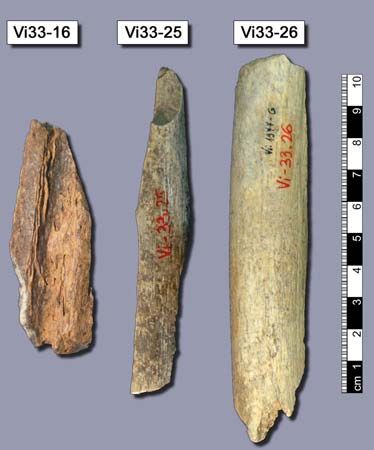
How has the study of Vindija remains influenced our understanding of Neanderthal behavior and culture?
The study of Vindija cave remains has significantly refined our understanding of Neanderthal evolution and their interactions with early modern humans (H. sapiens).
Key insights from these findings include:
- Morphological Transition: Fossils from Vindija exhibit a reduction in typical Neanderthal features, such as thinner browridges and smaller jaws with incipient chins. This suggests that late central European Neanderthals became less distinct from early modern humans over time.1
- Coexistence and Interaction: The presence of Neanderthal remains dating to approximately 34,000 years ago—contemporaneous with early modern humans in the region—indicates that the two groups lived in neighboring areas for several millennia rather than facing immediate extinction.1
- Cultural Exchange: The association of late Neanderthal remains with tool technologies typically attributed to early modern humans suggests that cultural differences between the groups may have been modest, potentially allowing for the exchange of mates.1
How does the Vindija site compare to other important Neanderthal sites in Europe?
The Vindija site in Croatia is distinguished from other European Neanderthal locations by the unique physical and chronological characteristics of its remains, which provide critical evidence regarding the transition between Neanderthals and early modern humans.
Comparative Significance
- Morphological Reduction: While many Neanderthal sites yield fossils with robust, classic features, the late-stage specimens at Vindija exhibit a notable reduction in typical traits. These individuals possess thinner, less projecting browridges, smaller jaws with incipient chins, and shoulder joints that more closely resemble those of modern humans.1
- Chronological Context: Dated to approximately 34,000 years ago, the remains at Vindija are among the most recent Neanderthals ever discovered. This places them as contemporaries of early modern humans in neighboring regions, challenging the theory that Neanderthals were rapidly driven to extinction upon the arrival of H. sapiens.1
- Technological Association: Similar to findings at Saint-Césaire in France, the Vindija remains are associated with tool technologies typically attributed to early modern humans. This suggests that cultural boundaries between the two groups may have been more fluid than previously assumed.1
What evidence is there for interactions between Neanderthals and early modern humans at Vindija?
Evidence from the Vindija cave suggests that Neanderthals and early modern humans (H. sapiens) coexisted in Europe for several millennia rather than experiencing immediate displacement or extinction.
Key evidence for their interaction includes:
- Chronological Overlap: Remains at Vindija have been dated to approximately 34,000 years ago, making them contemporaneous with early modern humans in neighboring regions of eastern Europe.1
- Technological Parallels: The late Neanderthal fossils at the site are associated with tool technologies typically attributed to early modern humans, similar to findings at Saint-Césaire. This suggests that cultural boundaries between the two groups may have been modest.1
- Morphological Trends: The late-stage Neanderthal fossils at Vindija exhibit a reduction in classic Neanderthal features, such as thinner browridges and the presence of incipient chins, which lessens the physical contrast between them and early modern humans.1
While some researchers argue these factors provided ample opportunity for the two groups to exchange mates, others maintain that they did not interbreed. However, broader genetic studies indicate that modern Eurasians carry approximately 2 percent Neanderthal nuclear DNA, confirming that interbreeding occurred.13
How old are the Neanderthal remains found at Vindija, and what do they tell us about human evolution?
The Neanderthal remains found at the Vindija cave in Croatia range in age from approximately 40,000 to 34,000 years ago. These fossils are among the most recent Neanderthals ever discovered, providing vital insights into human evolution.
The findings at Vindija significantly alter our understanding of the transition between Neanderthals and early modern humans (H. sapiens):
- Coexistence: Because the remains date to about 34,000 years ago, they prove that Neanderthals were contemporaneous with early modern humans in Europe. This indicates that Neanderthals were not immediately driven to extinction upon the arrival of H. sapiens but instead lived in neighboring regions for several millennia.1
- Morphological Reduction: The fossils exhibit a reduction in classic Neanderthal traits, such as thinner browridges and the presence of incipient chins. This physical shift lessens the contrast between Neanderthals and early modern humans.1
- Cultural Fluidity: The association of these late-stage remains with tool technologies typically attributed to early modern humans suggests that cultural differences between the two groups may have been modest.1
Sources
- Vindija — Encyclopædia Britannica
- Gibraltar remains — Encyclopædia Britannica
- Neanderthal - Neanderthal classification — Encyclopædia Britannica
- Neanderthal - Genetics — Encyclopædia Britannica
Published on · 3 min read