Volcano Pico De Orizaba
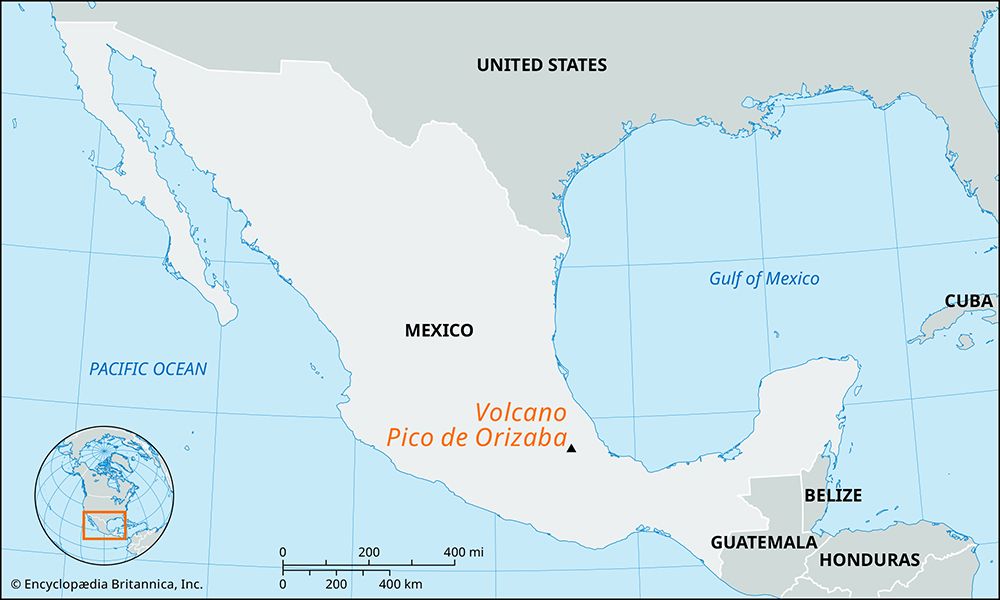
Pico de Orizaba, also known as Citlaltépetl (derived from the Nahuatl for "Star Mountain"), is a dormant volcano located on the border of the Veracruz and…
What is Volcano Pico de Orizaba?
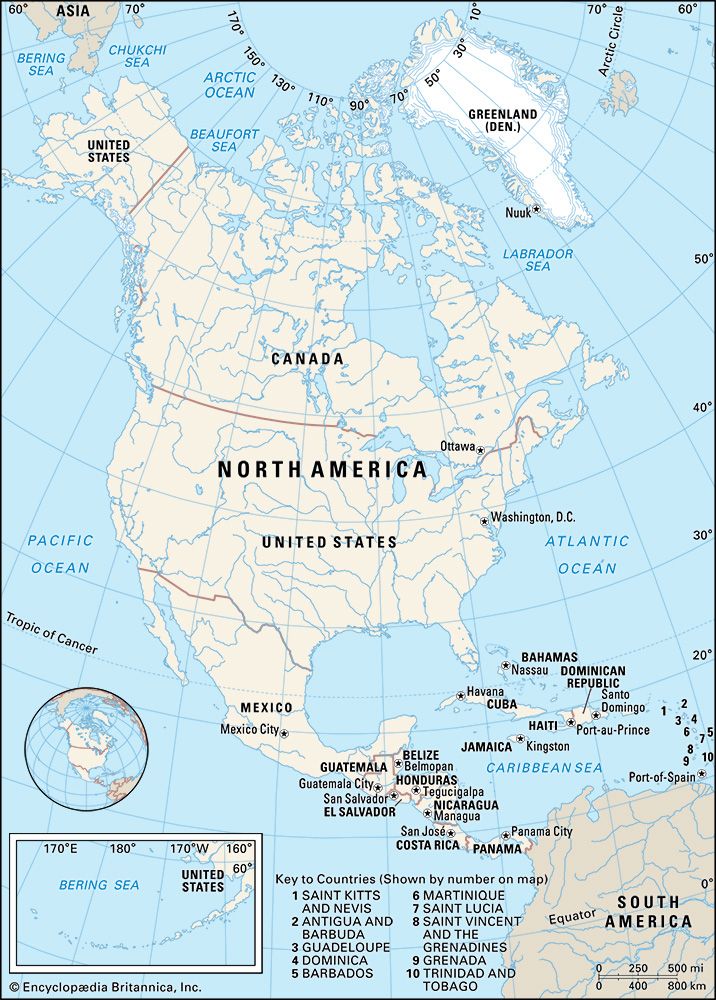
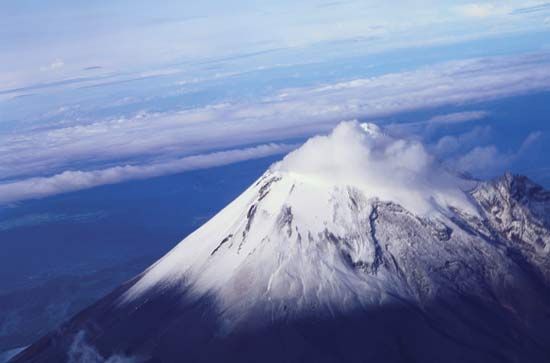
Pico de Orizaba, also known as Citlaltépetl (derived from the Nahuatl for “Star Mountain”), is a dormant volcano located on the border of the Veracruz and Puebla states in south-central Mexico.12
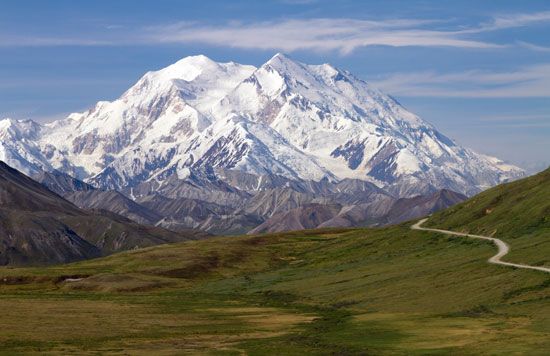
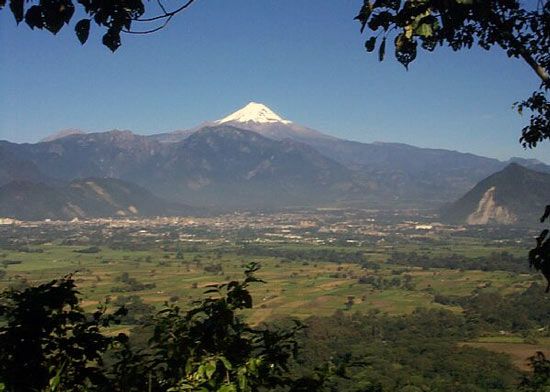
Rising 18,406 feet (5,610 meters) above sea level, its symmetrical, snowcapped cone stands as the highest mountain in Mexico and the third-highest peak in North America, surpassed only by Denali in Alaska and Mount Logan in Canada. Situated on the southern edge of the Mexican Plateau, the volcano has remained dormant since its last recorded activity in 1687 and was first successfully climbed in 1838. It towers over the nearby city of Orizaba, a historic center known for its colonial architecture and agricultural industry.123
What does the name Citlaltépetl mean in the Nahuatl language?
The name Citlaltépetl is derived from the Nahuatl language and translates to “Star Mountain.” This name is composed of the words citlalli (star) and tepetl (mountain), reflecting the peak’s prominent, snow-covered appearance that often shines like a star against the night sky.245
How do volcanoes like Pico de Orizaba affect the surrounding climate?
Volcanoes like Pico de Orizaba affect the surrounding climate primarily through their physical presence as high-altitude landforms, though they also possess the potential for broader atmospheric impact if they become active.
Localized Climatic Effects
As a massive mountain reaching 18,406 feet (5,610 meters), Pico de Orizaba influences its immediate environment through highland climate dynamics:
- Temperature and Pressure: With increasing elevation, temperature, pressure, and humidity decrease, while solar radiation receipt increases.1
- Orographic Precipitation: As moist air is forced upward over the mountain, it cools and condenses, often resulting in orographic precipitation on the windward slopes. This process can create a rain shadow on the leeward side, where precipitation is significantly reduced.16
- Wind Patterns: The mountain acts as a barrier to air masses and can channel winds through surrounding valleys, influencing local weather patterns.1
Potential Global Impacts
While Pico de Orizaba has been dormant since 1687, explosive volcanic eruptions can influence global climate by injecting sulfate aerosols into the [stratosphere]. These particles can blanket the Earth, reflecting solar radiation and potentially lowering average global temperatures for several years.37
What are the differences between active, dormant, and extinct volcanoes?
Volcanoes are often categorized based on their eruptive history and potential for future activity. While these classifications help in assessing risk, they are not always definitive, as the science of volcano forecasting remains complex and subject to uncertainty.10
Classifications of Volcanic Activity
- Active Volcanoes: These are volcanoes that are currently erupting or have erupted in recent history. They are characterized by ongoing activity, such as the emission of lava, ash, or gases, and are often monitored by volcano observatories using tools like seismographs and gas detectors to track magma movement.1011
- Dormant Volcanoes: Often referred to as “sleeping” volcanoes, these have not erupted for a long period but are still considered capable of erupting again. A major challenge in risk management is that many explosive volcanoes have such long “repose periods” between eruptions that people living nearby may mistakenly perceive them as extinct rather than dormant.10
- Extinct Volcanoes: These are volcanoes that are not expected to erupt again because they no longer have a supply of magma. However, distinguishing between a dormant and an extinct volcano can be difficult, as geological history shows that some volcanoes previously thought to be inactive have returned to life.1012
Sources
- Volcano Pico de Orizaba — Encyclopædia Britannica
- Citlaltépetl — Merriam-Webster
- Orizaba — Encyclopædia Britannica
- tepetate — Merriam-Webster
- Tepecano — Merriam-Webster
- volcano - Long-term environmental effects — Encyclopædia Britannica
- Highland climate — Encyclopædia Britannica
- Orographic precipitation — Encyclopædia Britannica
- Global warming - Volcanic aerosols — Encyclopædia Britannica
- volcano - Volcano forecasting and warning — Encyclopædia Britannica
- geology - Volcanology — Encyclopædia Britannica
- world’s major volcanoes — Encyclopædia Britannica
- volcano - Major types — Encyclopædia Britannica
Published on · 3 min read