Volcano
Tectonic plates play a fundamental role in volcanic activity by creating the conditions necessary for magma to form and rise to the surface. Most of the…
How do tectonic plates contribute to volcanic activity?
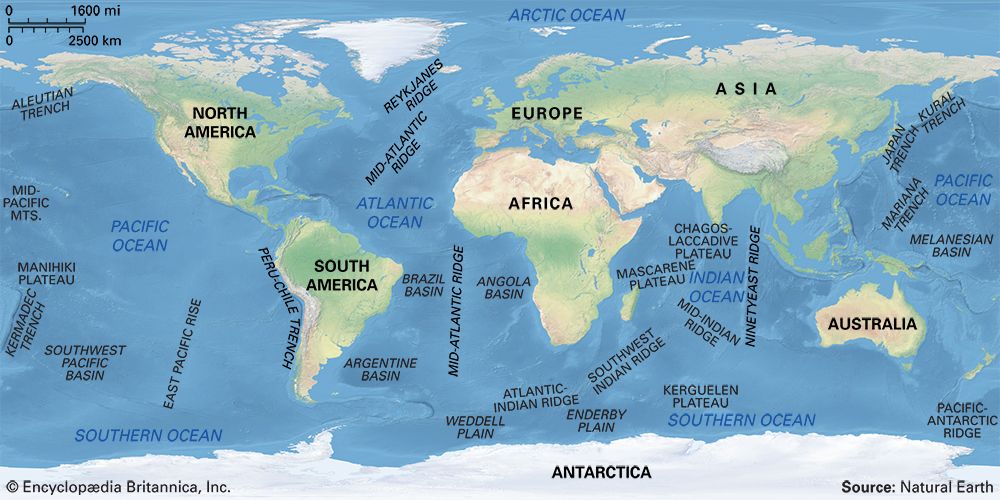
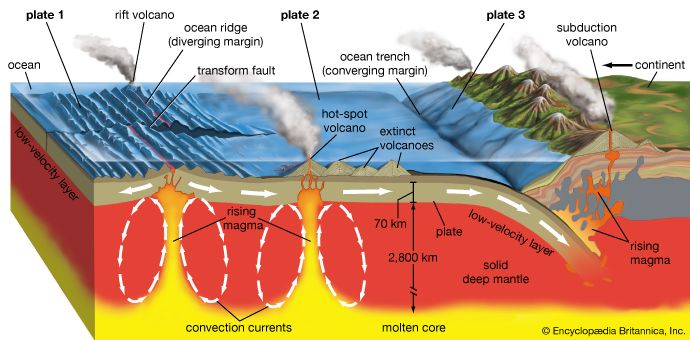
Tectonic plates play a fundamental role in volcanic activity by creating the conditions necessary for magma to form and rise to the surface. Most of the world’s volcanoes occur along the boundaries of these massive plates.12
Convergent Boundaries (Subduction Zones)
Approximately 80 percent of active terrestrial volcanoes occur at convergent plate boundaries, where one plate is forced beneath another in a process called subduction. As the sinking plate descends into the mantle, it carries water-rich sediments with it. This water acts as a flux, lowering the melting temperature of the surrounding mantle rock and generating magma. This buoyant magma rises through the overriding plate, often resulting in explosive eruptions and the formation of stratovolcanoes.32145
Divergent Boundaries (Rift Zones)
At divergent plate boundaries, plates move apart, allowing magma to well up from the mantle to create new crust. This process, known as rifting, typically produces effusive, basaltic eruptions. While most of this activity occurs underwater along oceanic ridges, it can emerge above sea level, as seen in Iceland.362
What are the different types of volcanoes, and how do they differ?
Volcanoes are diverse geological features shaped by the volume of material erupted, the frequency of eruptions, the composition of the magma, and the environment in which they form. While there are many variations, most can be categorized into several primary types based on their structure and eruptive habits.1112
Major Volcano Types
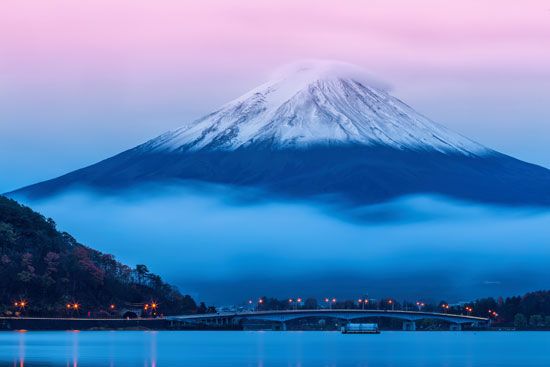
- Stratovolcanoes: These are often symmetrical, cone-shaped mountains built by alternating layers of lava and ash. They typically result from moderately explosive eruptions.1112
- Shield Volcanoes: Characterized by their massive size and gentle slopes, these are formed by the long-term accumulation of fluid, low-viscosity lava flows.1113
- Pyroclastic Cones: Also known as cinder cones, these are smaller structures built from the accumulation of volcanic fragments ejected during explosive activity.12
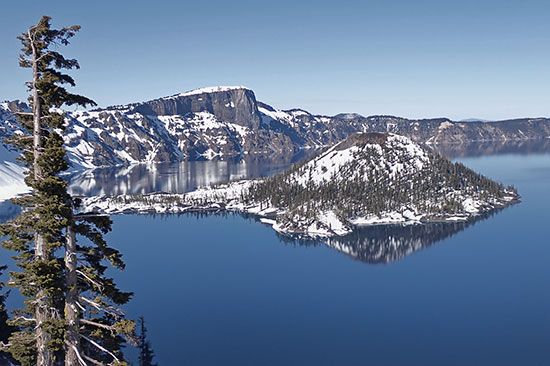
- Calderas: These are large, bowl-shaped depressions formed when a volcanic cone collapses into the void left after a massive eruption empties the underlying magma reservoir.1415
- Lava Domes: Formed by highly viscous lava that piles up over a vent rather than flowing away, creating steep, domal mounds.16
- Complex Volcanoes: These result from changing eruptive habits or multiple vent locations over time, leading to a mixture of landforms.1112
Volcanoes are also classified by their eruptive habits, ranging from effusive Icelandic and Hawaiian types to highly explosive Pelean and Plinian eruptions.13
What role do volcanoes play in shaping the Earth’s landscape over time?
Volcanoes are powerful constructional forces that have played a fundamental role in the evolution of Earth’s continents, oceans, and atmosphere throughout geologic time.1718
Building the Landscape
Volcanoes shape the Earth’s surface by accumulating solidified lava and debris, creating diverse landforms such as massive shield volcanoes, steep stratovolcanoes, and expansive plateaus. While eruptions can be destructive, they are also essential for long-term renewal. Over time, volcanic ash weathers to form exceptionally rich, loamy soils, which are highly productive for agriculture and can support dense human populations.1817319
The Interplay of Construction and Erosion
The final shape of any volcanic landform is determined by the constant interplay between constructional volcanic processes and destructional forces like erosion, weathering, and mass movement. While a new lava flow may bury the landscape, natural recovery begins almost immediately, with vegetation eventually reclaiming the rocky surfaces.2017
Global Environmental Impact
Beyond local topography, volcanism influences the global environment by recycling the Earth’s hydrosphere and atmosphere. Large-scale eruptions can inject aerosols and gases into the stratosphere, which may temporarily alter global climate patterns by creating haze layers that affect temperature.1817
How do geologists study and monitor volcanic activity?
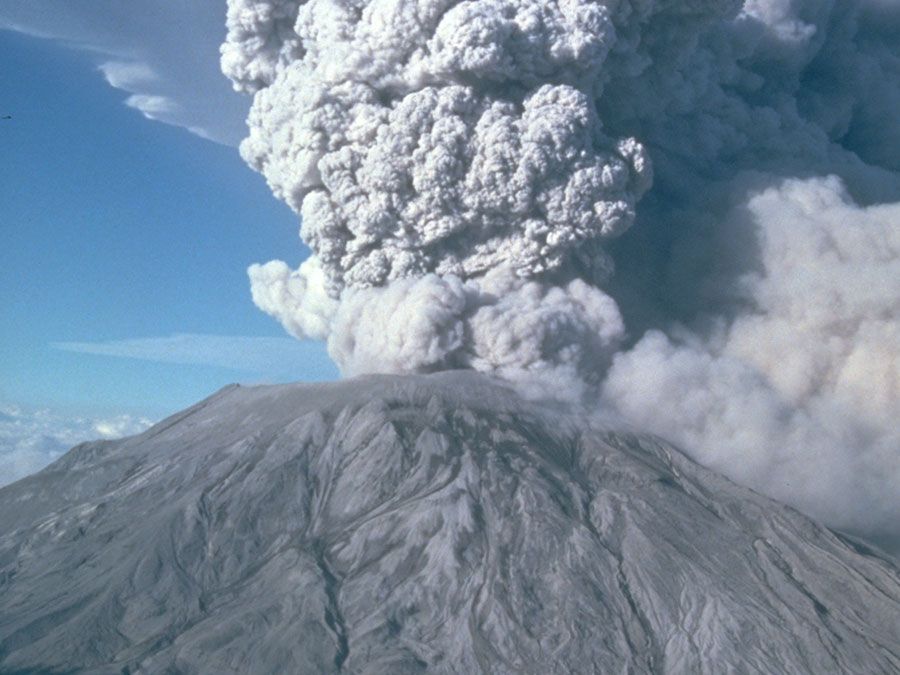
Geologists study and monitor volcanic activity through a combination of field research, laboratory analysis, and real-time geophysical surveillance. Because volcanoes pose significant hazards, a primary goal of volcanology is to forecast eruptions by detecting precursors to volcanic outbursts.2223
Monitoring Techniques
To provide early warnings, researchers utilize several specialized tools at active sites:
- Seismographs: These instruments detect swarms of earthquake tremors caused by the upward movement of magma. A sharp increase in the frequency and intensity of these quakes is a key indicator of an impending eruption.22
- Geodetic Tools: As magma fills underground chambers, volcanoes often inflate. Geologists use tiltmeters to measure changes in slope angles and laser beams to detect surface deformation.22
- Geochemical Monitoring: Scientists use gas detectors to analyze emissions from fumaroles and crater lakes. Changes in the composition or volume of gases, such as sulfur dioxide or carbon dioxide, can signal shifts in volcanic activity.2224
- Remote Sensing: Instruments sensitive to variations in magnetic and gravity fields, as well as temperature monitors, are deployed to track subsurface changes.22
Laboratory Analysis
Beyond real-time monitoring, geologists analyze volcanic products to understand the history and chemistry of a volcano. This includes using petrologic microscopes to classify lava and X-ray fluorescence spectrometers to perform chemical analyses of rocks and ashes. These methods help researchers reconstruct the mineralogical history of magmas and the processes occurring deep within the Earth’s interior.2223
Sources
- volcano - Volcanoes related to plate boundaries — Encyclopædia Britannica
- Ring of Fire — Encyclopædia Britannica
- volcanism — Encyclopædia Britannica
- What Causes a Volcano to Erupt? — Encyclopædia Britannica
- plate tectonics - Hotspots — Encyclopædia Britannica
- volcano - Subduction volcanoes — Encyclopædia Britannica
- igneous rock - Origin of magmas — Encyclopædia Britannica
- plate tectonics - Divergent margins — Encyclopædia Britannica
- hotspot — Encyclopædia Britannica
- subduction zone — Encyclopædia Britannica
- volcano - Determinants of size and shape — Encyclopædia Britannica
- volcano - Major types — Encyclopædia Britannica
- volcano - Six types of eruptions — Encyclopædia Britannica
- caldera — Encyclopædia Britannica
- Did you know? — Merriam-Webster
- volcano - Lava domes — Encyclopædia Britannica
- volcano - Long-term environmental effects — Encyclopædia Britannica
- volcano — Encyclopædia Britannica
- geology - Geomorphology — Encyclopædia Britannica
- volcano - Ash falls — Encyclopædia Britannica
- Hawaii - Soils — Encyclopædia Britannica
- geology - Volcanology — Encyclopædia Britannica
- volcano - Gas clouds — Encyclopædia Britannica
- volcanology — Encyclopædia Britannica
Published on · 4 min read