Wagyu
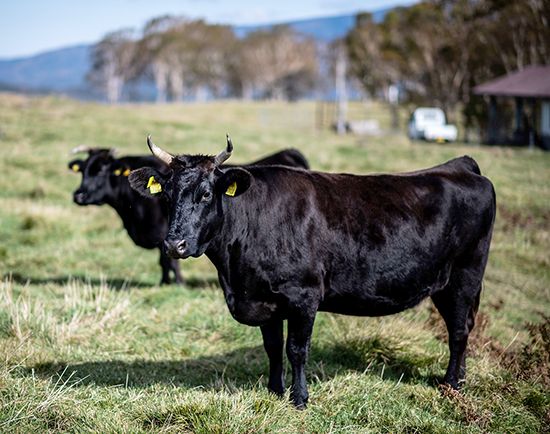
Wagyu refers to a group of slow-growing, even-tempered cattle breeds native to Japan, prized for producing meat with exceptional tenderness and flavor. The…
What is Wagyu?
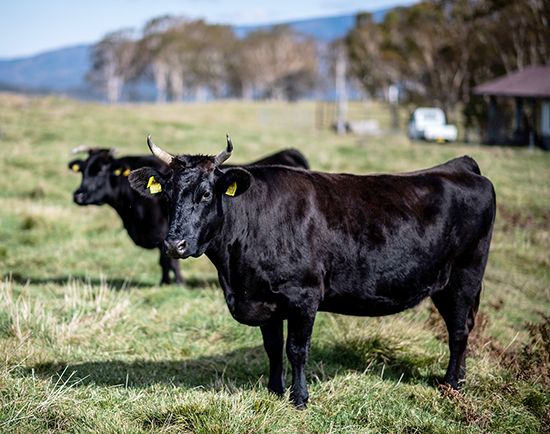
Wagyu refers to a group of slow-growing, even-tempered cattle breeds native to Japan, prized for producing meat with exceptional tenderness and flavor. The term is derived from the Japanese words for “Japanese” and “cow”.1
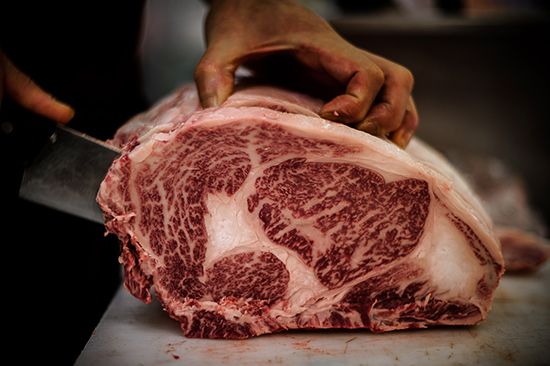
These cattle are genetically predisposed to develop high levels of intramuscular fat, which creates the characteristic white streaks known as marbling. This fat has a low melting point, giving the meat a buttery, tender texture. Wagyu beef is also noted for containing higher levels of monounsaturated fats compared to other breeds.12
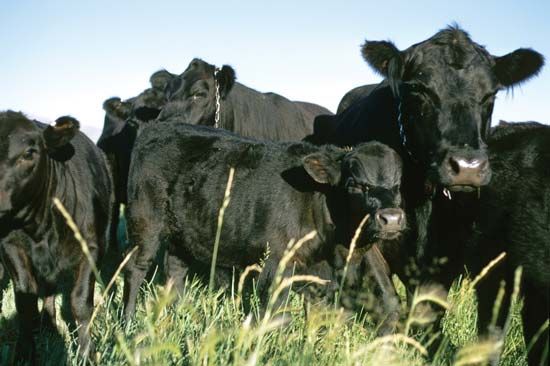
While there are four distinct Japanese strains—Kuroge (Black), Nihon Tankaku (Shorthorn), Mukaku (Polled), and Akage (Brown)—the term is applied more broadly in North America and Australia to cattle that are often crossbred with Angus stock. Kobe beef is a specific, highly regulated type of Wagyu that must originate from Japan. Due to the high cost and luxury status of the meat, the industry is strictly regulated to prevent misrepresentation.12
Where did the Wagyu breed originally come from?
Wagyu cattle are native to Japan, with genetic origins dating back thousands of years. Historically, these animals were raised as draft animals valued for their strength and endurance rather than for meat production.
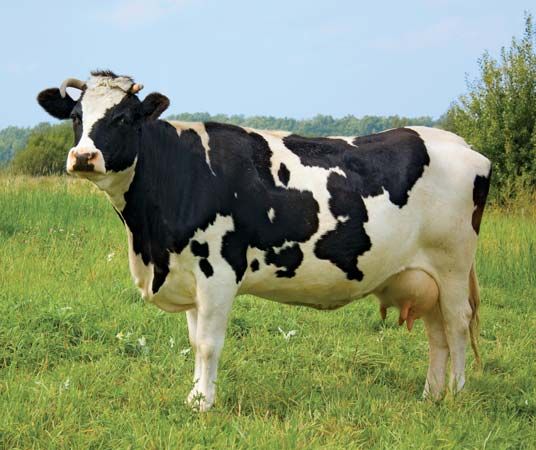
Following the Meiji Restoration in 1868 and the subsequent shift in Japanese dietary habits, the breed underwent significant changes. To improve meat quality, Japanese farmers crossbred native cattle with imported breeds from England, continental Europe, and Korea, such as the Angus, Holstein, and Devon. By 1910, Japan ceased these imports to focus on selective intra-breeding, eventually establishing four distinct registered strains: Kuroge (Black), Nihon Tankaku (Shorthorn), Mukaku (Polled), and Akage (Brown). Today, these strains are managed through strict animal breeding standards to maintain the breed’s unique characteristics.
What makes Wagyu beef different from other types of beef?
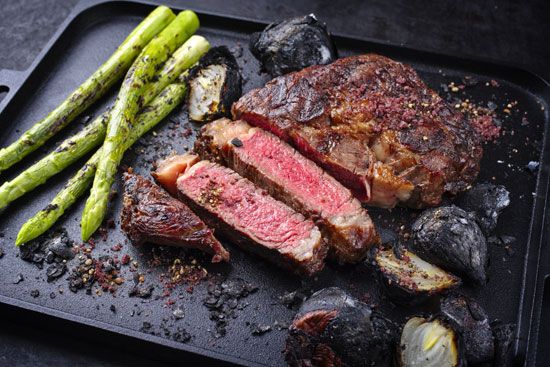
Wagyu beef is distinguished from other types of beef primarily by its unique genetic composition and the intensive care provided to the animals, which results in superior meat quality.
Key Differences
- Intramuscular Fat (Marbling): Through selective breeding, Wagyu cattle have been developed to store high levels of intramuscular fat. This creates the signature “marbling”—white streaks of fat running through the muscle—which can account for more than 30 percent of the meat in Japanese Black Wagyu.1
- Fat Composition: Wagyu beef contains up to 300 percent more monounsaturated fat than other breeds. Because this fat has a lower melting point, the meat possesses a distinctively buttery, fork-tender texture.1
- Nutritional Profile: The beef is notably rich in conjugated linoleic acid, containing 30 percent more per gram than standard beef, a level comparable to that found in salmon or avocados.1
- Growth and Care: Wagyu are slow-growing animals that receive high-energy, costly feed and individualized attention to ensure a stress-free environment, contributing to the meat’s premium status and price.1
What is marbling in Wagyu beef and why is it important?
Marbling refers to the intermixture of fat and lean muscle, specifically describing the white streaks of fat deposited between the muscle fibers of a cut of meat. In Wagyu cattle, selective breeding has been used for generations to encourage the development of high intramuscular fat stores, which can account for more than 30 percent of the meat in some strains.123
This marbling is critically important for several reasons:
- Texture and Tenderness: Because Wagyu fat has a lower melting point than fat in other breeds, it melts during the cooking process, acting as a lubricant that spreads throughout the meat to create a buttery, fork-tender consistency.34
- Flavor and Quality: Higher levels of finely textured, evenly distributed marbling are associated with increased juiciness and flavor. This characteristic is a primary factor in the high quality grades assigned to beef, as it significantly enhances the eating experience.5
- Nutritional Profile: Wagyu beef is notably rich in monounsaturated fats and conjugated linoleic acid, which are concentrated within these intramuscular fat deposits.3
Sources
- Wagyu — Encyclopædia Britannica
- Kobe beef — Encyclopædia Britannica
- marbling — Merriam-Webster
- meat processing - Fat — Encyclopædia Britannica
- meat processing - Meat grading — Encyclopædia Britannica
- meat processing - Fat — Encyclopædia Britannica
Published on · 3 min read