Avocado
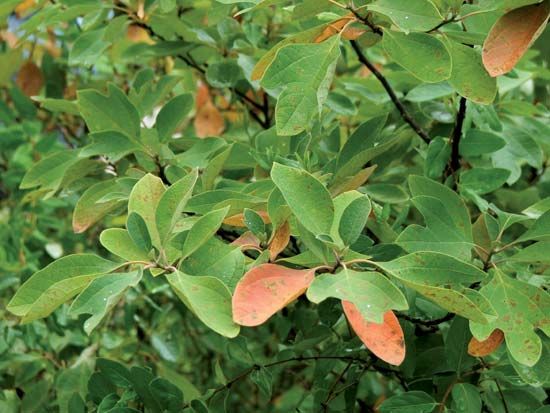
The avocado (Persea americana) is a tree in the Lauraceae family native to the Western Hemisphere, with its origins spanning from Mexico to the Andean…
What is the origin and history of the avocado tree?
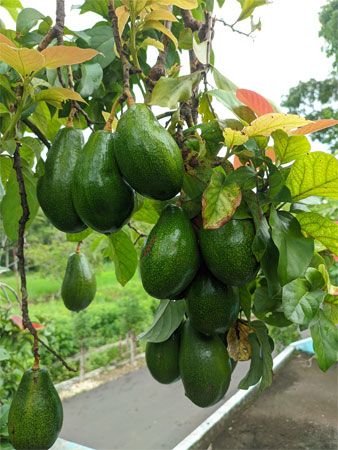
The avocado (Persea americana) is a tree in the Lauraceae family native to the Western Hemisphere, with its origins spanning from Mexico to the Andean regions of South America.12
Genetic evidence indicates that Mesoamerican cultures domesticated the fruit thousands of years ago from an ancestor species native to the highlands of Mexico and the Central American Pacific coast. Archaeological findings in the Tehuacán Valley suggest human consumption dates back to 8,000–7,000 BCE.23
Historically, avocados were cultivated as individual seedling trees before the Spanish conquest. The plant did not receive significant horticultural attention until around 1900, when the development of grafted trees allowed for the consistent production of superior varieties. Today, avocados are categorized into three main races—Mexican, Guatemalan, and West Indian—with over 1,000 cultivars grown globally in warm climates.13
What are the nutritional benefits of eating avocados?
Avocados are a nutrient-dense fruit that offer several health benefits, primarily due to their unique fat content and vitamin profile. Unlike many other fruits that are high in sugar, avocados are notable for their high concentration of unsaturated oil, which can account for up to 25 percent of the flesh in some varieties. This includes monounsaturated fat, a type of healthy fat that is liquid at room temperature.145
According to nutritional data, a 100-gram serving of avocado provides approximately 161 kcal of energy. Beyond their healthy fat content, avocados are a source of several essential vitamins, including:6
Additionally, like other fruits and vegetables, avocados contain dietary fiber, which is beneficial for digestive health and helps prevent constipation. While they are relatively low in protein and carbohydrates compared to other food groups, their high fat and nutrient density make them a distinct addition to a balanced diet.6
How are avocados used in different cuisines around the world?
Avocados are a versatile ingredient enjoyed in various ways across global cuisines. While they are frequently incorporated into savory dishes, they are also commonly consumed as a dessert in many parts of the world.53
In Mexican cuisine, the avocado is a staple, most famously used to make guacamole. This traditional condiment, which dates back to the Aztec era, is typically prepared by mashing ripe avocados with salt and often includes ingredients like lime juice, cilantro, onion, and hot peppers. Beyond its role as a dip, guacamole serves as a popular topping or condiment for dishes such as tacos, tostadas, burritos, and nachos.1
Other regional variations exist, such as the Venezuelan guasacaca, which is a thinner, smoother sauce than traditional guacamole. Generally, avocados are also widely used in salads due to their buttery consistency and rich, nutty flavor.153
What are the different varieties of avocados and how do they differ?
Horticulturally, avocados are categorized into three primary races, which encompass more than 1,000 distinct cultivars. These races differ significantly in their environmental hardiness, physical characteristics, and flavor profiles.1
The Three Primary Avocado Races
- Mexican Race (Persea americana, variety drymifolia): Native to Mexico, this is the hardiest race, capable of growing in climates too cold for other varieties. The fruits are generally small, weighing between 90 and 240 grams (3–8 ounces), and are characterized by thin, smooth skins and a rich flavor. A distinct feature of this race is the anise-like odor of its leaves.1
- Guatemalan Race (P. americana, variety guatemalensis): Originating in the highlands of Central America, this race is slightly less frost-resistant than the Mexican variety. It produces medium to large fruits, ranging from 240 to 1,000 grams, which are distinguished by their thick, woody skins and a unique ripening season.1
- West Indian Race (P. americana, variety americana): This race is the most tropical in character. In the United States, its cultivation is largely restricted to southern Florida due to its specific climate requirements.1
Notable Cultivars
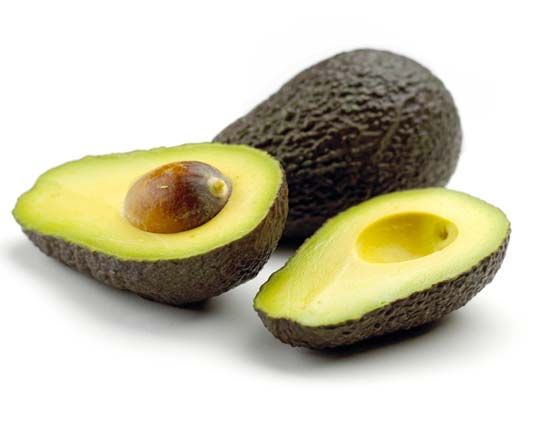
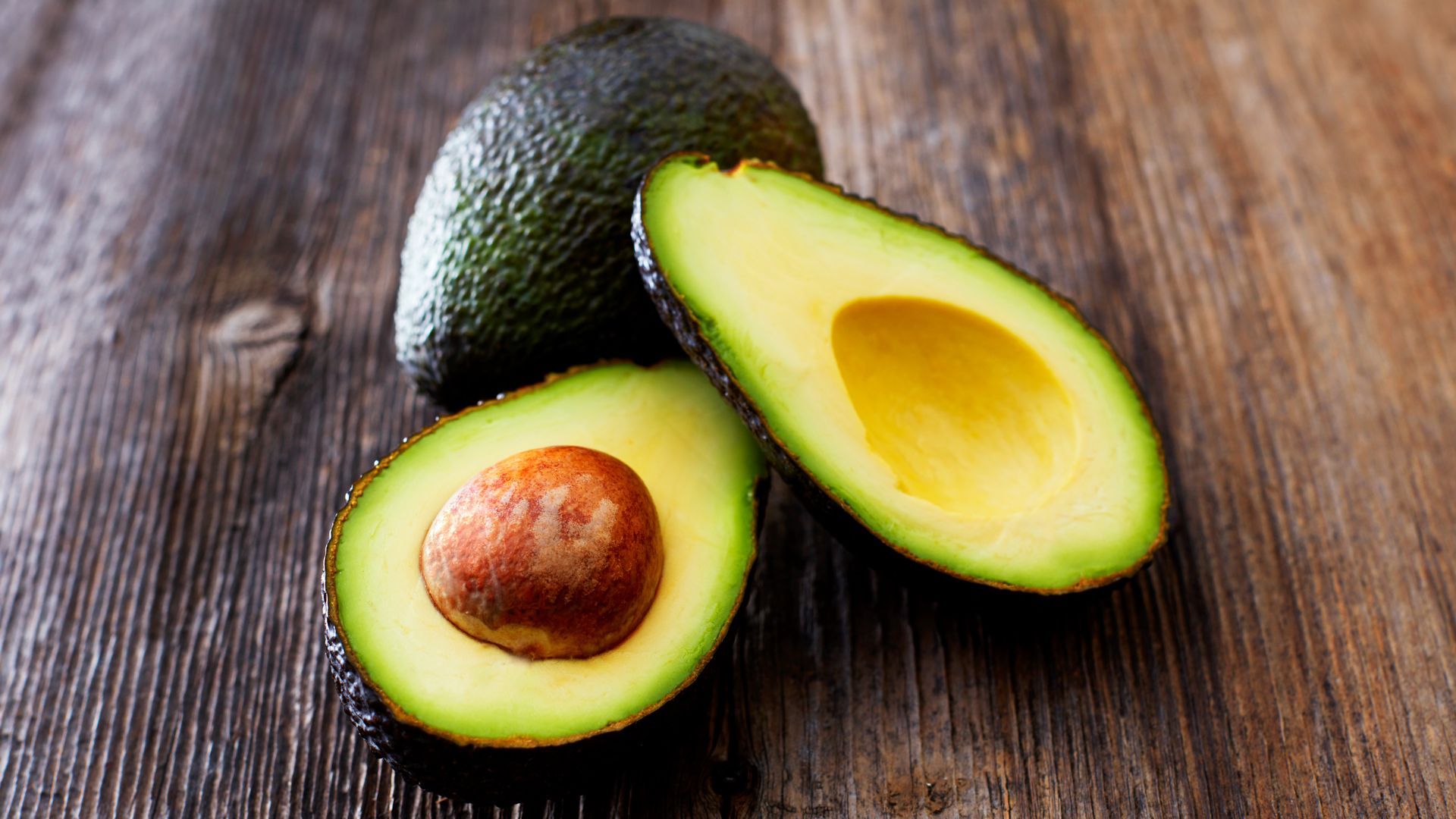
The most popular avocado in the United States is the Hass avocado, which is a hybrid of the Mexican and Guatemalan races. Developed in the 1920s, the Hass is smaller than many other varieties, easier to peel, and prized for its high oil content and rich flavor. Its skin is notably pebbly and transitions from green to a dark indigo or black as it ripens.17
Sources
- Avocado — Encyclopædia Britannica
- Laurales - Lauraceae — Encyclopædia Britannica
- guacamole — Encyclopædia Britannica
- human nutrition - Vegetables and fruits — Encyclopædia Britannica
- Avocado: Top Questions — Encyclopædia Britannica
- monounsaturated fat — Merriam-Webster
- 7 Delicious Fruits That Made Their Way to California (and How They Did It) — Encyclopædia Britannica
Published on · 4 min read