What Is the Difference Between a Wolf and a Coyote?
While wolves and coyotes are closely related members of the dog family, they exhibit distinct physical, social, and behavioral differences.
What is the difference between a wolf and a coyote?
While wolves and coyotes are closely related members of the dog family, they exhibit distinct physical, social, and behavioral differences.
Physical Characteristics
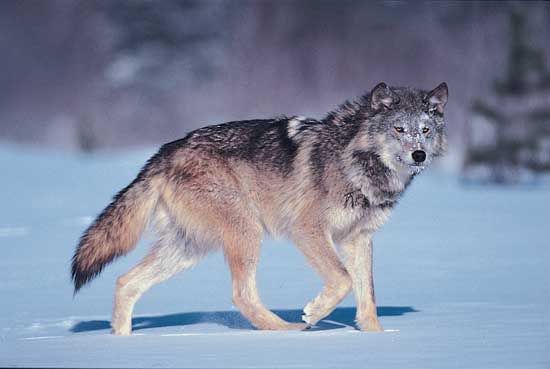
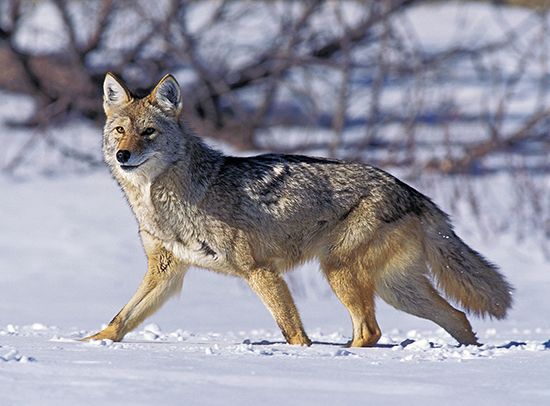
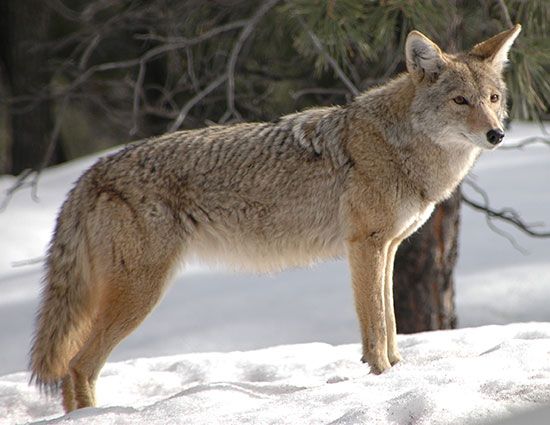
Wolves, particularly the gray wolf, are significantly larger and more robust, weighing between 14 and 65 kg (31 and 143 pounds) with a muscular build suited for travel. In contrast, coyotes are smaller, lighter, and more agile, typically weighing 9 to 23 kg (20 to 50 pounds). Coyotes also possess narrower jaws and smaller ears and feet compared to wolves.123
Social Structure and Behavior
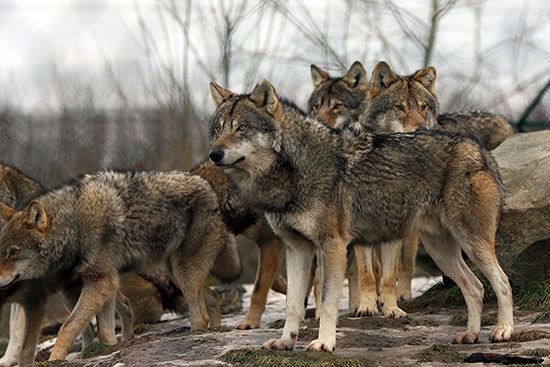
Wolves are highly social animals that live in hierarchical packs, typically consisting of an alpha pair and their offspring. Coyotes are generally more solitary or live in smaller, less structured family groups. While both species are adaptable, coyotes have demonstrated a remarkable ability to thrive in human-modified landscapes and urban environments across North America, whereas the range of wolves has been significantly reduced by human activity.132
What are coywolves and how do they differ from purebred wolves or coyotes?
“Coywolves,” also known as eastern coyotes, are hybrid animals that emerged in the late 1960s. While they are primarily coyote in their genetic makeup, studies indicate they possess significant heritage from wolves and domestic dogs.13
These hybrids differ from purebred wolves and coyotes in several ways:
- Size: Coywolves are typically about 4.5 kg (10 pounds) heavier than the average coyote, placing them between the size of a standard coyote and a wolf.13
- Genetics: Unlike purebred individuals, coywolves carry a mix of DNA from multiple canine species, resulting from the interbreeding of coyotes with wolves and dogs in eastern North America.13
- Adaptability: Like their coyote ancestors, they demonstrate high adaptability to human-modified landscapes, though their hybrid nature may influence their physical traits and behavior compared to the more specialized, pack-oriented wolf or the smaller, more solitary coyote.1
How do wolf pack hierarchies function compared to coyote social groups?
Wolf and coyote social structures differ significantly in their complexity and stability.
Wolf Pack Hierarchies
Gray wolves are highly social animals that live in stable, hierarchical family groups, typically consisting of 6 to 10 individuals—an adult breeding pair (the alpha male and female) and their offspring. This dominance hierarchy is essential for maintaining order and facilitating cooperation during hunting and defense. The alpha pair guides group activities, with the female focusing on pup care and defense, while the male leads foraging and provisioning. These packs maintain and vigorously defend large territories against intruders.51
Coyote Social Groups
In contrast, coyotes are primarily solitary or live in small, less structured family units. While they may form packs, these groups are generally smaller and lack the rigid, long-term hierarchical structure found in wolf packs. Coyotes are also territorial, with breeding pairs defending their range, but their social bonds are typically less complex than those of wolves. While they may hunt in pairs or small packs during fall and winter to increase success, these associations are often more fluid and less permanent than the cohesive family units of wolves.13
Why are coyotes so much more successful at living in urban environments than wolves?
Coyotes are significantly more successful at inhabiting urban environments than wolves primarily due to their high level of adaptability to human-modified landscapes. While wolves generally avoid contact with humans and require vast, undisturbed territories to thrive, coyotes have demonstrated a remarkable ability to habituate to human presence.167
Several factors contribute to this difference:
- Dietary Flexibility: Coyotes are opportunistic feeders. When natural prey is scarce, they readily consume wild berries, fruits, and human-related food sources, including garbage and pets left outdoors.3
- Social Structure: Unlike the rigid, pack-oriented social structure of wolves, which requires large, defended territories, coyotes are often solitary or live in small, fluid family groups. This allows them to navigate and persist in fragmented urban habitats where large wolf packs could not sustain themselves.13
- Behavioral Plasticity: Coyotes have shown they can persist despite constant human efforts to control their populations through hunting and trapping. Their ability to thrive in cities like Chicago and Los Angeles serves as a testament to their resilience.3
Sources
- What is the difference between a wolf and a coyote? — Encyclopædia Britannica
- dog - Coyotes — Encyclopædia Britannica
- coyote — Encyclopædia Britannica
- dog - Wolves — Encyclopædia Britannica
- gray wolf - Pack behaviour — Encyclopædia Britannica
- gray wolf - Predators and prey — Encyclopædia Britannica
- wolf - Gray wolf — Encyclopædia Britannica
Published on · 3 min read