Why Are Dogs So Loyal?
Dogs are considered loyal primarily due to their evolutionary history as pack animals and the long-term effects of domestication. As descendants of the wolf…

Why are dogs so loyal?
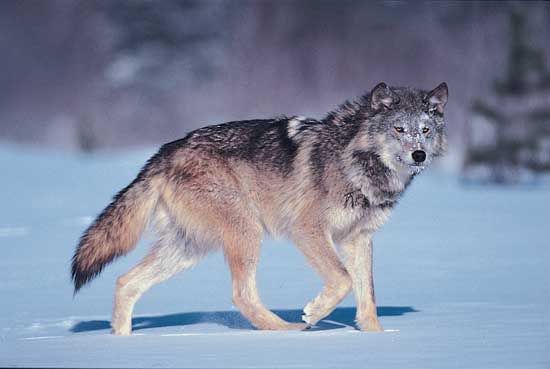
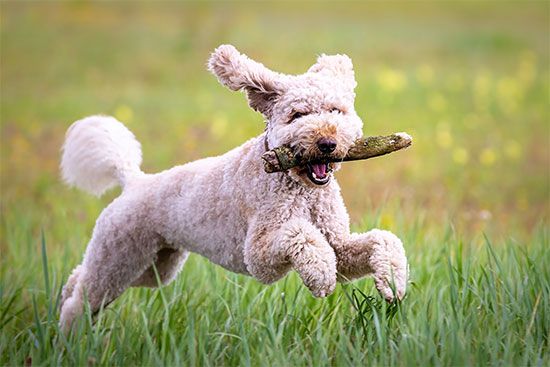
Dogs are considered loyal primarily due to their evolutionary history as pack animals and the long-term effects of domestication. As descendants of the wolf, dogs possess an inherent, inherited instinct to form strong social bonds for survival.123
This loyalty is reinforced by several factors:
- Selective Breeding: Over thousands of years, humans have selectively bred dogs for traits like companionship and cooperation, favoring those that bonded well with people.12
- Social Intelligence: Dogs have developed a unique ability to read and respond to human emotions. They are highly skilled at interpreting human social cues, often viewing their human families as part of their pack.13
- Biological Mechanisms: While research into oxytocin—often called the “bonding hormone”—highlights its role in social motivation, trust, and pair-bonding across many mammals, it is a key component in the social aptitude that allows dogs to maintain such close connections with humans.45
How did wolves evolve into the dogs we know today?
The evolution of the modern dog (Canis lupus familiaris) from the wolf is a complex, multi-stage process that occurred over thousands of years. While the exact timeline is debated, genetic evidence suggests that dogs branched off from an extinct wolf lineage between 27,000 and 40,000 years ago, with domestication events likely occurring across Eurasia between 14,000 and 35,000 years ago.267
Rather than a single event, domestication was likely a gradual process. Wolves may have facilitated their own transition by scavenging remains from human hunts, eventually forging a mutually beneficial relationship with nomadic groups. Over time, humans practiced selective breeding for traits like tameness and cooperation.678
Experiments, such as those involving silver foxes, demonstrate that selecting for tameness can trigger rapid changes in both behavior and physical appearance—such as floppy ears, altered tail shapes, and coat patterns—suggesting that similar biological mechanisms drove the transformation of wolves into the diverse array of dogs we recognize today.8
What is the role of oxytocin in the human-dog bond?
Oxytocin is a neurohormone that plays a significant role in facilitating social behaviors, including trust, social motivation, and pair-bonding. While the provided search results detail how oxytocin influences social aptitude and recognition in mammals by modulating the amygdala—the brain region responsible for processing social stimuli and fear—the specific mechanisms of the human-dog bond are not explicitly detailed in these documents.35
The available information confirms that oxytocin is essential for promoting social connections and nurturing behaviors across various species. It is known to enhance attentiveness to social cues and modulate responses to threatening stimuli, which are foundational elements in the development of interspecies relationships. However, the Britannica knowledge base does not contain specific data regarding the direct role of oxytocin in the human-dog bond.53
How do dogs communicate their emotions to humans?
Dogs communicate their emotions to humans through a sophisticated array of physical and vocal signals, rooted in their evolutionary history as social, pack-dwelling animals. Because they view their human families as their pack, they utilize complex behaviors involving sight, sound, and posture to express their internal states.10111
Physical Communication
- Tail Wagging: This is a primary tool for expressing emotion, though its meaning depends on the style of the movement. A sweeping, loose wag typically signals friendliness or excitement, whereas a stiff, high-held tail may indicate aggression, and a low, stiff wag often suggests fear or submission.121
- Body Language: Dogs convey their feelings through their overall posture, ear position, and facial expressions. These cues are learned early in life, as puppies begin using their tails and body language to interact with littermates and humans around six to seven weeks of age.10112
Vocal and Sensory Communication
- Vocalizations: Dogs use their voices to express specific needs or feelings. Whining or whimpering often indicates distress, such as hunger, cold, or pain; growling signals anger or a readiness to fight; and barking is generally used to show excitement.10
- Scent: Dogs possess scent-producing glands that allow them to communicate information about their mood, age, and sex, which serves as a vital, albeit less obvious, layer of their social signaling.10
Sources
- Why are dogs so loyal? — Encyclopædia Britannica
- Origins of agriculture - Earliest beginnings — Encyclopædia Britannica
- Oxytocin: Top Questions — Encyclopædia Britannica
- dog - Behaviour — Encyclopædia Britannica
- Oxytocin — Encyclopædia Britannica
- dog - Wolves — Encyclopædia Britannica
- dog - Ancestry — Encyclopædia Britannica
- What dog is closest in DNA to a wolf? — Encyclopædia Britannica
- Animal behaviour - Artificial selection — Encyclopædia Britannica
- 16 Questions About Pets Answered - Why do dogs bark? — Encyclopædia Britannica
- Why do dogs wag their tails? — Encyclopædia Britannica
- 16 Questions About Pets Answered - Why does my dog wag its tail when it’s happy to see me? — Encyclopædia Britannica
Published on · 3 min read