What Dog Is Closest in DNA to a Wolf?
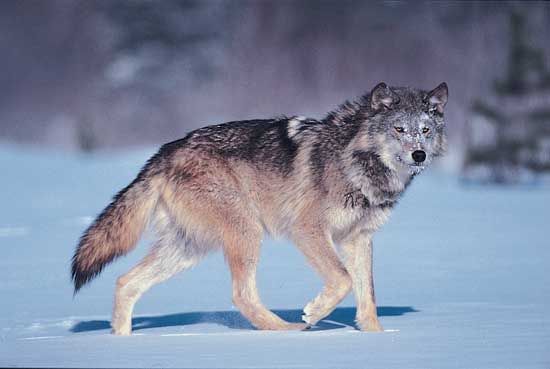
All domestic dogs are descendants of the gray wolf, and therefore all share a close genetic relationship with them. Rather than a single breed being…
What dog is closest in DNA to a wolf?
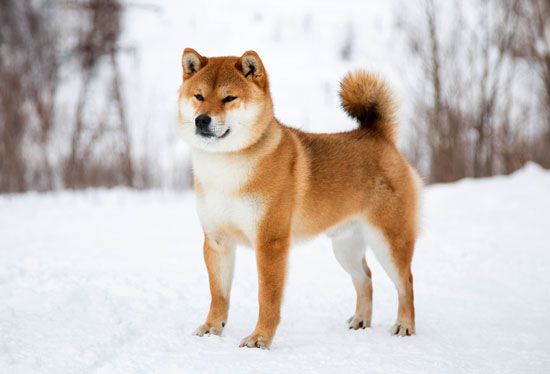
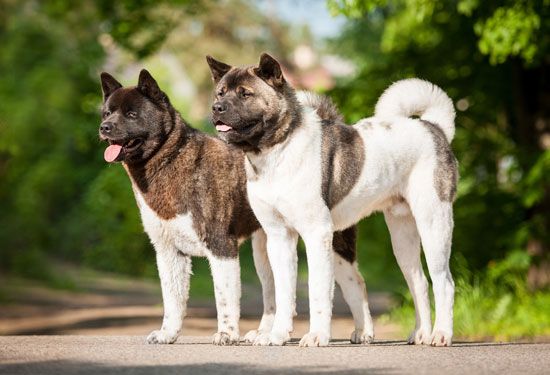
All domestic dogs are descendants of the gray wolf, and therefore all share a close genetic relationship with them. Rather than a single breed being identified as the closest, several breeds are categorized as “ancient breeds” because their DNA and whole-genome sequences retain markers more closely aligned with wolves than those of most modern breeds.123
These ancient breeds include:
These dogs emerged in East Asia or the Arctic long before selective breeding practices were used to shape modern dog appearances and temperaments. Their wolflike legacy remains visible today, reflecting a history of domestication that occurred over thousands of years across Eurasia.14
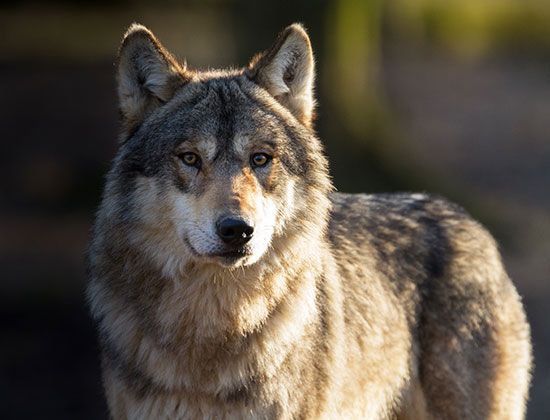
How did the process of dog domestication begin?
The domestication of the dog was a gradual, complex process that unfolded over thousands of years rather than a single event. While the exact timing remains a subject of scientific debate, genetic evidence indicates that dogs descended directly from the wolf, with ancestral lineages branching off between 27,000 and 40,000 years ago.53
It is believed that wolves may have facilitated their own domestication in northern Eurasia by trailing nomadic human groups and consuming the remains of game animals left behind by hunters. Over time, this proximity fostered a unique relationship. Early dogs likely assisted humans with hunting and protection, and their inherited ability to read human social behavior and communication—which is more advanced than that of wolves or even chimpanzees—helped solidify a close bond between the two species.356
Domestication likely occurred in multiple regions at different times, with ongoing interbreeding between early dogs and wild wolves. By the end of the last glacial period, dogs were already present in archaeological sites globally, marking them as the earliest domesticated animal.356
What are the main behavioral differences between wolves and dogs?
While domestic dogs are descendants of the wolf, thousands of years of domestication and artificial selection have resulted in significant behavioral differences.
Social Maturity and Development
A primary difference lies in the rate of maturation. Wolves mature more slowly than dogs, typically reaching both sexual and social maturity between two and three years of age. In contrast, dogs reach these milestones much earlier. Furthermore, wolf packs are strictly organized family units with a clear dominance hierarchy led by an alpha pair. While dogs retain the instinct to form social bonds and often view their human families as their “pack,” they generally lack the rigid, survival-based pack structure required by wild wolves.278910
Communication and Temperament
Both species share a repertoire of vocalizations, including barking, growling, and howling, but the application differs:
- Barking: While both can bark, dogs use it more frequently as a primary tool for communicating with humans.911
- Howling: Wolves use howling to strengthen social bonds and maintain contact over large territories. Some dog breeds, such as Siberian huskies, retain this instinct, while others have been bred to minimize it.711
- Fear Response: Domesticated animals often exhibit a delayed fear response compared to their wild counterparts, which widens the window for social bonding with humans.12
What are some other types of wild canids besides wolves?
The family Canidae includes 36 living species that exhibit a wide range of adaptations across diverse global ecosystems. Beyond the well-known gray wolf, there are several distinct types of wild canids:1415
- Foxes: This group includes 12 species within the genus Vulpes, such as the Arctic fox and the fennec, as well as other genera like the gray fox and crab-eating fox.1516
- Jackals and Coyotes: Members of the genus Canis, these animals are widespread. The coyote is a highly adaptable North American predator, while jackals are found in various regions of the Old World.1516
- Dhole: Also known as the Asiatic red dog, the dhole is a social, pack-hunting carnivore found across the Asian mainland.1718
- African Hunting Dog: The African hunting dog is a highly social species known for its intricate pack organization.1516
- South American Canids: This region hosts unique species like the maned wolf—which is not a true wolf—and the bush dog, a short-legged, semi-aquatic animal.1715
- Raccoon Dog: The raccoon dog is considered the most primitive member of the family and is unique for its ability to hibernate.1715
- Dingo: The dingo is a wild canine found in Australia; its classification as a distinct species or a type of domestic dog remains a subject of scientific discussion.1715
Sources
- What dog is closest in DNA to a wolf? — Encyclopædia Britannica
- dog - Wolves — Encyclopædia Britannica
- dog - Ancestry — Encyclopædia Britannica
- gray wolf — Encyclopædia Britannica
- Origins of agriculture - Earliest beginnings — Encyclopædia Britannica
- dog - Role in human societies — Encyclopædia Britannica
- gray wolf - Pack behaviour — Encyclopædia Britannica
- What is the difference between a wolf and a coyote? — Encyclopædia Britannica
- dog - Territory and range — Encyclopædia Britannica
- 16 Questions About Pets Answered - Why do dogs bark? — Encyclopædia Britannica
- dog - Barking — Encyclopædia Britannica
- Animal behaviour - Artificial selection — Encyclopædia Britannica
- Why are dogs so loyal? — Encyclopædia Britannica
- canine — Encyclopædia Britannica
- dog - Other wild canids — Encyclopædia Britannica
- canine - Paleontology and classification — Encyclopædia Britannica
- canine - Natural history — Encyclopædia Britannica
- dhole — Encyclopædia Britannica
- wolf - Other wolves — Encyclopædia Britannica
Published on · 4 min read