Why Are Polar Bears White?
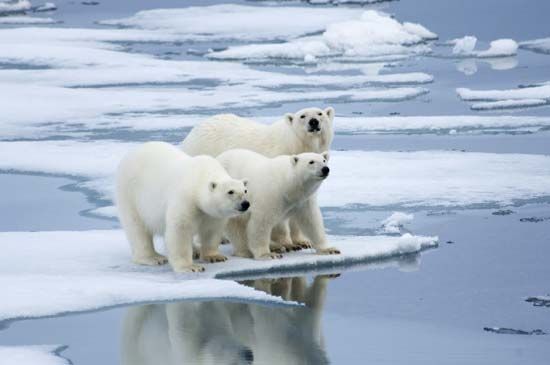
It is a common misconception that polar bear fur is white; in reality, the hairs are colorless and transparent.
Why are polar bears white?
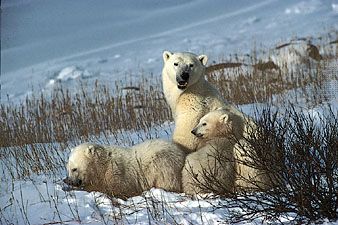
It is a common misconception that polar bear fur is white; in reality, the hairs are colorless and transparent.1
The bear appears white because its hollow hair shafts scatter and reflect sunlight, an optical effect similar to how ice appears white. This adaptation provides essential camouflage in the Arctic, allowing the bears to stalk seals across the open, snowy landscape.1
Beyond its appearance, the fur is a critical component of the bear’s survival. The hollow structure traps air for insulation, working in tandem with a thick layer of fat and black skin that helps absorb heat to withstand extreme temperatures.1
What color is a polar bear’s skin?
A polar bear has black skin. This dark pigmentation is a key adaptation that allows the bear to efficiently absorb heat from sunlight that passes through its transparent, hollow fur.123
How does a polar bear’s thick layer of fat help it survive?
A polar bear’s thick layer of fat—which can reach up to 4 inches in depth—is a vital adaptation for survival in the Arctic. Located beneath the bear’s skin, this layer provides essential insulation that helps the animal maintain its body temperature in extreme conditions, where temperatures often drop below –50°F (–45°C).13
By acting as a highly effective thermal barrier, this fat layer prevents heat loss, allowing the bear to endure the harsh, frigid environment of its northern habitat.13
What do polar bears eat in the Arctic?
Polar bears are overwhelmingly carnivorous animals that rely primarily on pinnipeds for sustenance. Their diet consists of:
- Primary Prey: They feed extensively on ringed seals and bearded seals, which they hunt by stalking them on ice or ambushing them near breathing holes.23
- Opportunistic Feeding: Polar bears are also scavengers and opportunistic predators. They will consume the carcasses of stranded whales, dead fish, and even garbage found near human settlements.23
- Alternative Food Sources: Due to the decline of sea ice caused by global warming, some bears have been observed foraging for lower-quality food sources, such as berries and seabird eggs, to supplement their diet.2
While they are known to kill beluga whales, their hunting success is heavily dependent on the presence of ice floes that provide access to their aquatic prey.24
Sources
- Why are polar bears white? — Encyclopædia Britannica
- polar bear — Encyclopædia Britannica
- polar bear: Top Questions — Encyclopædia Britannica
- Global warming: Top Questions — Encyclopædia Britannica
Published on · 2 min read